Why Choose UPVC Porch Doors for Your Home?
A porch door faces more than passing visitors. It meets rain, muddy shoes, drafts, and the daily movement of family life. That is why upvc porch doors deserve a closer look than a quick glance at colour or price. A well-chosen door can help reduce drafts, provide a sturdy entrance, and make the porch easier to maintain. The result depends on the whole installation, not just the frame.
For this introduction, the quoted specialist is a fictional composite, not a real named source. UPVC door specialist Alex Morgan offers this practical rule: “A good door should feel secure, close smoothly, and keep its seals working in everyday weather.” Check how the hinges move. Look at the threshold and weather seals. Ask what glazing and locking options suit your home, and how the door will be fitted. Small details matter.
UPVC is popular because it does not need routine painting and can be cleaned with a soft cloth and mild soapy water. Its appearance, insulation, and expected service life vary by product and installation quality. A low-cost door may look convincing in a brochure, yet feel less solid on a cold, windy evening. That is worth questioning. Compare clear product specifications, warranties, and fitting details before choosing. Also consider whether the design suits your porch’s light and space. A glazed panel can brighten a shaded entrance, though privacy may matter. The best choice is practical, not perfect—and it should suit the way your household actually uses the door.
What UPVC Porch Doors Are and How They Work
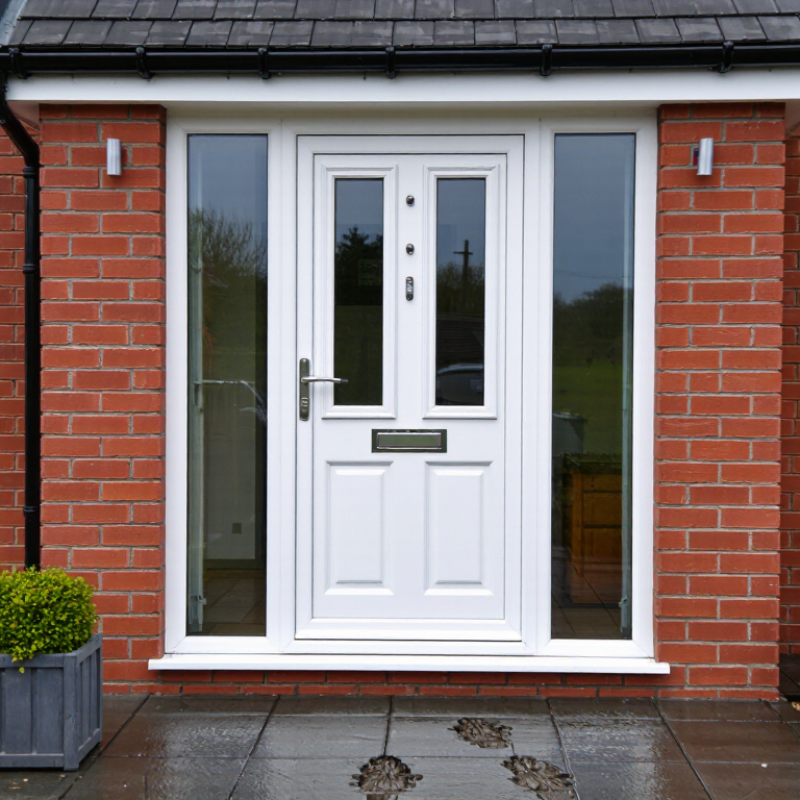
UPVC means unplasticized polyvinyl chloride, a rigid material used to make door frames and panels. A UPVC porch door is fitted at a porch entrance or between the porch and the main living space; its exact position depends on the home’s layout. The frame supports the door leaf, while hinges let it swing open and closed. Many designs include glazed panels, so daylight can reach the porch without leaving the entrance fully open.
When closed, weather seals around the frame compress against the door to help limit draughts and rain. A latch holds it shut, while a multi-point lock can secure it at several points along the frame. That sounds simple. In practice, the fit matters: a poorly aligned door may catch, leak air, or fail to engage its lock smoothly. Check that the threshold is level and the seals meet evenly. Double-glazed panels can reduce heat transfer, but performance also depends on the glass, frame, and installation. The small details are easy to overlook. On a cold morning, even a narrow gap can be noticeable.
Key Benefits of UPVC Porch Doors for Everyday Living
UPVC porch doors suit the everyday traffic of a busy entrance. Their frames do not need repainting, and a wipe with a damp cloth usually removes fingerprints and muddy marks. That matters when shoes, bags, and wet coats pass through the porch each day. Less upkeep, more time.
A well-fitted door can help reduce draughts and keep indoor temperatures steadier. Look for sound weather seals, secure hinges, and glazing suited to your needs. The door itself is only part of the result: poor fitting or worn seals can let cold air in, so careful installation and occasional checks matter.
UPVC resists moisture and will not rot like untreated timber, but it is not maintenance-free. Check the hinges and locking points, and clear dirt from the frame channels. In sunny spots, the finish may fade over time, and a porch can still feel cold if its walls or floor are poorly insulated. They are practical, not magic.
Styles, Glazing, and Security Features to Consider
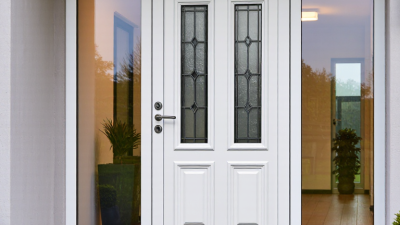
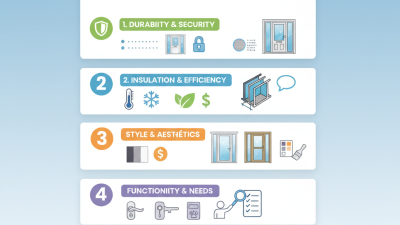
UPVC porch doors suit homes that need a practical entrance with little routine upkeep. The style should fit the house, not just the catalogue photo. A simple panel design can sit neatly on a modern home, while decorative glazing may complement older brickwork. Check the door’s proportions against the porch opening; an oversized glass panel can feel exposed.
Glazing changes both light and privacy. Clear glass brightens a dim porch, but passers-by can see inside. Frosted or patterned glass softens views while still admitting daylight. For extra reassurance, ask about laminated or toughened glazing and how it is held in the frame. Samples help. Colours and textures can look different in outdoor light, which is easy to overlook.
Security depends on the complete installation, not one impressive-looking lock. Look for a multi-point locking system, sturdy hinges, and a frame that fits the opening without gaps. Ask how the door is reinforced around the lock and hinges, and whether the installer will check its alignment after fitting. A poorly adjusted door may be harder to close securely. No feature makes an entrance invulnerable, so consider porch lighting and visibility too.
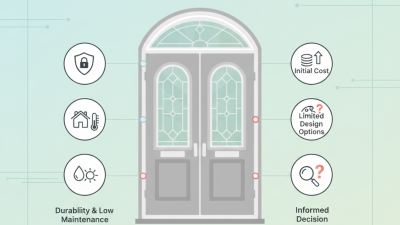
Why Choose UPVC Porch Doors for Your Home? — Styles, Glazing, and Security Features to Consider
| Feature |
Common Options |
What to Consider |
| Door style |
Panelled, glazed, half-glazed, or decorative designs |
Choose a design that suits the home’s appearance while allowing the desired amount of daylight and privacy. |
| Glazing |
Clear, obscure, patterned, or decorative glass; single or insulating double glazing, depending on the door specification |
Obscure glass can increase privacy while admitting light. Check the stated glazing specification and applicable safety-glass requirements. |
| Security glazing |
Laminated or toughened safety glass may be available in suitable configurations |
Glass type and placement matter. Ask whether the complete door set has been tested to relevant standards, rather than judging security by glass type alone. |
| Locking system |
Multi-point locks that secure the door at several points along the frame |
Confirm the locking arrangement, cylinder type, and compatibility with the door. Correct installation and maintenance are important. |
| Hinges and frame |
Adjustable hinges, reinforced sections, and secure fixing points may be included, depending on the design |
Look for a well-fitted frame and properly secured hinges. Features vary between door systems, so check the product specification. |
| Thermal performance |
Insulated door panels, weather seals, and insulated glazing where specified |
Compare the declared U-value for the complete door set where available; lower U-values indicate less heat transfer. |
| Care and upkeep |
Routine cleaning, seal checks, and occasional hardware adjustment |
UPVC generally needs no repainting, but follow the manufacturer’s cleaning guidance and avoid abrasive cleaners. |
| Before you buy |
Measure the opening, check the threshold and handing, and review installation requirements |
Confirm dimensions, ventilation needs, local building requirements, warranty terms, and whether professional installation is recommended. |
Specifications vary by door design and installation. Check the product documentation and local requirements before making a purchase.
How to Choose the Right UPVC Porch Door for Your Home
Choosing the right UPVC porch door starts with accurate measurements, not a catalogue photo. Measure the opening at several points, then check which way the door can swing without hitting a step, wall, or shoe rack. Measure twice. Decide how much daylight you want: a large glazed panel brightens a narrow porch, while a mostly solid leaf offers more privacy. The U.S. Department of Energy’s Energy Saver guidance estimates that windows account for 25–30% of residential heating and cooling energy use. That figure is not a door-specific estimate, but it makes the glazing specification worth checking. Look for clear information on glass type and whole-door U-value.
For a useful local benchmark, England’s Approved Document L sets a 1.4 W/m²K maximum U-value for replacement external doors in existing homes. Requirements can differ elsewhere, so check your local guidance and compare like-for-like product data. Check the label. Also inspect the frame, threshold, seals, and locking points; a good door can still feel draughty if installation leaves gaps. Ask who will fit it and how the opening will be sealed against rain. I would not choose by colour alone—it is an easy detail to overvalue. Test the handle and lock in person if possible, especially if children or older residents use the porch.
Installation and Maintenance of UPVC Porch Doors
Installation begins with accurate measurements of the opening, including its diagonals. A level, square frame helps the hinges and multipoint lock work smoothly. Fitters should secure the frame with suitable fixings, then seal around it without blocking drainage routes. Small gaps matter. The U.S. Department of Energy’s Energy Saver guidance estimates that heat gain and loss through windows account for 25%–30% of home heating and cooling energy use. This is not a door-specific figure, but it shows why careful sealing around glazed porch doors deserves attention. A good-looking frame cannot compensate for a poorly fitted sill.
Maintenance is simple, but easy to postpone. Check the seals for cracks and the threshold for leaves or standing water. Clean uPVC with mild soapy water and a soft cloth; abrasive pads can mark the surface. Test the hinges and lock occasionally, and use lubricant only if it is suitable for those fittings. If the door catches, do not force it. The frame may need adjustment, or the opening may have shifted.
Tips: Inspect the door after heavy rain. Look for damp patches, loose seals, or water pooling at the sill. Keep a note of small changes; they can reveal a problem before it becomes harder to fix.