


For global buyers, choosing an exterior door involves more than comparing colours and prices. It requires practical evidence about weather resistance, security, maintenance, and installation quality. UPVC porch doors have become popular because they offer a balanced solution for many residential projects. Their reinforced frames, insulated panels, and sealed edges can help reduce draughts around a busy entrance.
In daily use, the details matter. A well-fitted door should open smoothly after rain, close firmly, and keep cold air away from the hallway. UPVC surfaces are easy to wipe clean, which suits homes near coastal roads or dusty urban areas. Many designs also support decorative glass, multi-point locking systems, and different threshold options. However, performance depends on the complete door set, not the material alone. The frame, hinges, glazing, hardware, and installer all influence the result.
UPVC porch doors are not perfect. Poorly adjusted hinges may cause rubbing, while low-quality seals can weaken over time. Buyers should check product specifications, warranty terms, drainage details, and supplier experience before ordering. Local climate conditions also deserve attention, especially strong sunlight, heavy rain, or large temperature changes. Reputable manufacturers can provide test reports, installation guidance, and clear after-sales support. Those documents do not replace professional judgment, but they make comparisons more reliable. For international projects, careful questions often prevent expensive mistakes. A sensible choice starts with verified information, realistic expectations, and a door designed for the building’s actual entrance.
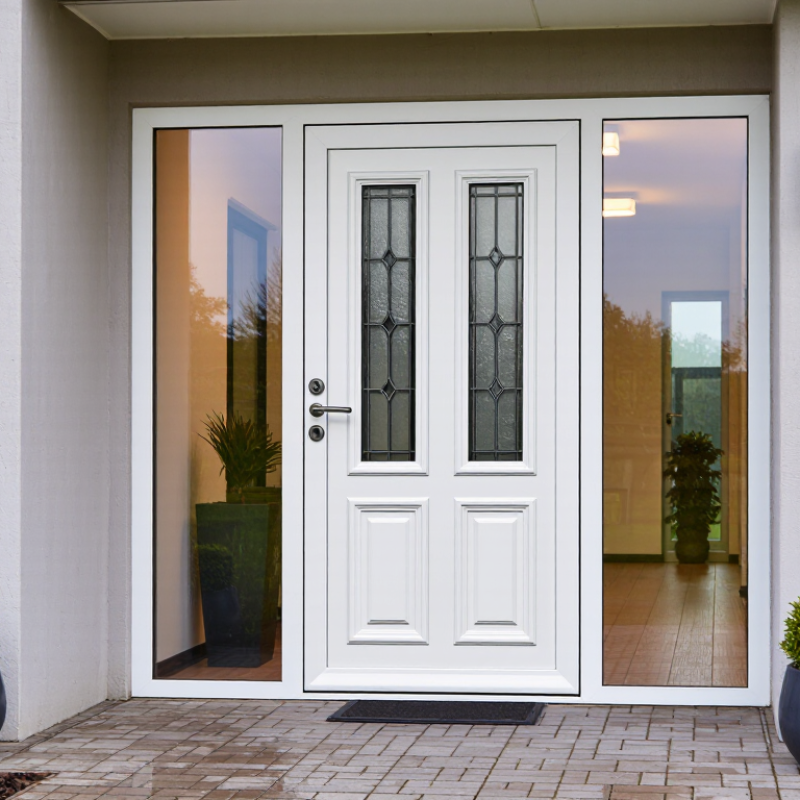
UPVC means unplasticized polyvinyl chloride, a rigid material used for durable door frames. A porch door separates the entrance area from the main home. It can reduce drafts, rain entry, outside noise, and heat loss. Many designs combine a reinforced frame, insulated panels, sealed glazing, hinges, and a multi-point lock. The result feels solid, but it is not magic. Poor fitting can still cause gaps.
For global buyers, the practical advantage is predictable maintenance. UPVC does not need regular painting. Its smooth surface usually cleans with mild soap and water. Quality doors should resist warping, moisture, and everyday impacts. However, performance depends on wall structure, glass specification, drainage, and installation quality. A door suitable for a cool coastal town may need different glazing in a hot, bright region. Check thermal values, airtightness data, hardware details, and local installation requirements before ordering. Small errors matter.
Tips: Measure the opening at several points, not only across the top. Confirm the door swing, threshold height, drainage path, and frame depth. Ask for material and test documentation from the supplier. Inspect sample corners and seals. Uneven joins may reveal rushed production. Consider accessibility too. A low threshold helps, but it needs careful water control. Allow time for adjustment after installation. Even a well-made door can settle slightly, creating avoidable rubbing or condensation.
UPVC porch doors begin with careful site information, not attractive sketches alone. Designers measure the opening, wall depth, threshold height, and drainage conditions. They also consider local weather, security expectations, and everyday traffic. A narrow porch may need an outward-opening door. A windy entrance may require stronger hinges and reinforced profiles. Small details matter.
The frame is usually designed with multi-chamber UPVC profiles for insulation and stability. Galvanised steel reinforcement can strengthen larger sections. Designers select double or triple glazing according to climate and energy requirements. Seals must compress evenly around the sash. Drainage channels guide rainwater away from the threshold. That part is easy to overlook. Hardware, hinges, locks, and handles are tested for repeated use, not just appearance.
Manufacturing starts with accurate profile cutting and controlled welding. Corners are cleaned, reinforced, and checked for alignment. Glazing units are fitted with suitable packers to prevent movement. Each completed door should be inspected for dimensions, surface damage, seal contact, and smooth operation. I have seen beautifully finished doors fail because the opening was measured incorrectly. A perfect factory product cannot correct a poor installation. Even good designs need adjustment after real site feedback. That is where reliable production becomes practical, rather than merely technical.
Why Choose UPVC Porch Doors for Global Buyers?
UPVC porch doors offer practical benefits for buyers facing different climates, budgets, and building standards. The U.S. Department of Energy reports that windows can account for 25–30% of residential heating and cooling energy use. A well-fitted UPVC door, combined with insulated glazing and effective seals, can reduce drafts around entrance areas. Its multi-chamber profile also supports stable indoor temperatures. However, performance depends on installation quality, glazing, and the local climate. The material alone is not a guarantee.
The International Energy Agency continues to identify building efficiency as essential for reducing energy demand. UPVC needs limited repainting and resists moisture, making it suitable for rainy coastal regions and busy family entrances. Many modern systems can be tested under standards such as EN 14351-1, covering windows and external pedestrian doors. Buyers should request whole-door U-values, air-permeability results, and water-tightness classifications. Security should also be assessed through tested locking hardware, not appearance. Honestly, some low-cost doors may warp or seal poorly when specifications are unclear.
Tips: Check the U-value for the complete door, not only the glass. Confirm opening direction and frame dimensions before ordering. Ask for installation guidance, warranty terms, and test certificates. A thermal camera inspection can reveal cold edges after fitting. It is a small step, but useful.
Choosing UPVC porch doors requires more than checking colour and price. The U.S. Department of Energy reports that windows cause 25–30% of residential heating and cooling energy use. Glazed porch doors can create similar heat-loss risks. Ask for the complete door U-value, not only the glass rating. Lower is generally better, but testing methods can differ between regions.
Check the frame profile, welded corners, gaskets, threshold, and drainage routes. A strong multi-point lock improves security, while compression seals reduce drafts and rain entry. The European Commission states that buildings use about 40% of the European Union’s energy. Small envelope improvements therefore matter. Request performance evidence linked to recognised standards, such as EN 14351-1 or local equivalents. Compliance documents should match the exact door configuration.
Installation deserves equal attention. A well-rated door can underperform when the opening is uneven or the threshold is poorly sealed. Site measurements should include wall depth, sill height, swing direction, and exposure to wind-driven rain. Buyers in hot climates should examine solar-control glazing and ventilation needs. Buyers in cold, wet regions should prioritise thermal breaks and reliable drainage.
A lower price can hide future repairs. I have seen specifications that looked impressive but omitted threshold details. That omission matters. Recheck warranties, replacement-part access, cleaning requirements, and local installer experience before ordering. Different climates need different compromises.
For global buyers, UPVC porch doors offer practical performance when installed correctly. The U.S. Department of Energy’s Energy Saver guidance reports that weatherstripping can reduce annual heating and cooling energy loss by 5–10%. A tight door also limits dust, rain, and uncomfortable drafts. The improvement is noticeable near the threshold.
Installation controls much of this result. The opening must be square, dry, and properly supported before the frame is fixed. Installers should check the sill’s fall and seal the junction without blocking drainage channels. Incorrect packing can twist the frame and cause stiff locks later. The European PVC Window Association’s 2023 lifecycle guidance commonly assesses PVC windows over 30–50 years, but poor installation can shorten that expectation sharply.
Maintenance is simple, not absent. Clean frames with mild soapy water, then inspect seals each spring and autumn. Lubricate moving hardware with a suitable non-corrosive product. Do not paint or drill through drainage paths. Energy Saving Trust guidance identifies draught-proofing as a low-cost measure that can reduce household heat loss, although savings vary with climate, door condition, and occupancy. Site inspections often find neglected hinges before damaged panels. That is the imperfect part: durable material cannot correct careless adjustment, standing water, or a badly sealed wall connection.
Installation, maintenance, and long-term performance benchmarks
Typical UPVC porch-door planning benchmarks indicate around 6 hours for a standard replacement installation, approximately 2 routine maintenance checks per year, and an expected service life of about 25 years when correctly installed and maintained. Actual results vary according to door size, glazing specification, climate, installation quality, and usage frequency.