What Are the Best Types of UPVC Porch Doors from China?

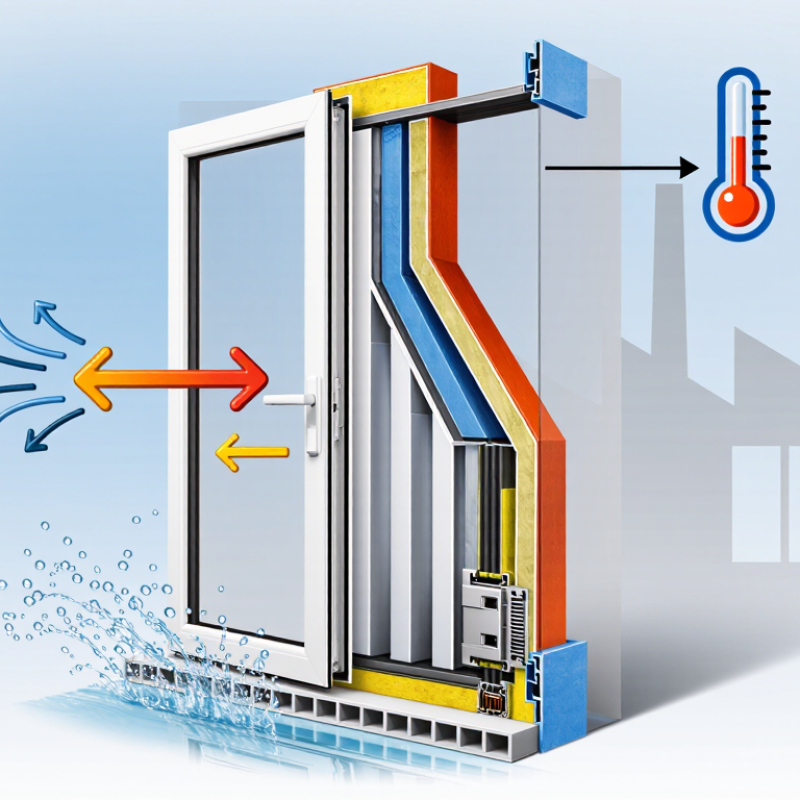
Choosing the best upvc porch doors from China requires more than comparing catalogue prices. A porch door must handle rain, wind, repeated impacts, and daily temperature changes. Its frame, glazing, hinges, seals, drainage, and threshold work as one system. The International Energy Agency’s Buildings report states that buildings account for about 30% of global final energy demand. That figure makes thermal performance a practical purchasing issue, not just a marketing phrase.

John Straube, a respected building-science researcher, has stated, “A building enclosure is a system, not a collection of products.” His point applies directly to upvc porch doors. A thick profile may still perform poorly if the corners leak air. A low U-value can also lose meaning when installation is careless. Small details matter. Think of a wet threshold after heavy rain, or a hinge sagging after thousands of openings.

This guide will examine Chinese UPVC porch door suppliers through measurable evidence. Relevant checks include U-value testing, air permeability, water-tightness, wind resistance, hardware durability, and factory quality controls. EN 14351-1 provides a useful European reference for external doors and windows. ISO 9001 certification can support reliability, but it should never replace product testing. Some supplier claims remain vague. That deserves scrutiny. Buyers should request current test reports, sample corners, warranty terms, and installation instructions before committing to volume orders. Performance, not polished photography, should decide the shortlist.

What Are the Best Types of UPVC Porch Doors from China?

Types of UPVC Porch Doors Commonly Made in China

UPVC porch doors made in China usually fall into several practical types. Single-swing doors suit narrow entrances and are easy to operate. Double doors create a wider opening for moving furniture or bicycles. Sliding UPVC doors save space, especially beside a compact hallway. French-style doors add a traditional appearance, but their hinges need accurate installation.

Glazing is another important choice. Fully glazed panels bring daylight into a dark porch. Half-glazed doors offer more privacy and better resistance to knocks. Solid panels provide a stronger visual barrier and may feel warmer in exposed locations. During product inspections, I check frame corners, drainage holes, gasket compression, and hinge movement. These small details often matter more than surface appearance. A beautiful door can still perform poorly if the frame bends during fitting.

Tips: Confirm the opening size twice. Ask for glass specifications, hardware details, and test reports. Safety glazing may be appropriate near floor level, depending on local requirements. Check whether the threshold suits wheelchair access and rain exposure. I once focused too much on color and overlooked the sill design; that mistake caused water to collect after heavy rain. Review the installation method before ordering, because even a well-made UPVC door can seal badly when the frame is not level.

What Are the Best Types of UPVC Porch Doors from China?

Common UPVC porch-door configurations include single-leaf panel doors, half-glazed doors, full-glazed doors, French doors, and sliding patio-style doors. The chart compares their typical number of moving leaves and glazing sections.

How to choose: Panel doors provide greater privacy, half-glazed designs balance daylight and privacy, full-glazed doors maximize natural light, French doors create a wider opening, and sliding designs are useful where swing space is limited.

Key Features of Chinese UPVC Porch Door Designs

What Are the Best Types of UPVC Porch Doors from China?

Chinese UPVC porch doors increasingly combine thermal performance with practical, space-saving design. The strongest designs use multi-chamber profiles, reinforced frames, and insulated glass. Double glazing suits mild climates, while triple glazing helps in colder regions. Low-E coatings can reduce heat transfer through the glass. The U.S. Department of Energy reports that windows may cause 25–30% of household heating and cooling energy use. That figure makes frame quality important. More chambers do not automatically mean better performance.

Popular Chinese designs include inward-opening doors, outward-opening models, and doors with glazed sidelights. Key details include welded corners, adjustable hinges, compression seals, and sloped drainage channels. Some profiles include galvanized steel reinforcement for larger porch openings. The International Energy Agency’s 2023 Global Status Report states that buildings consume about 30% of global final energy. Better door insulation supports wider energy-saving goals. Still, a beautiful door can perform poorly if installation gaps remain.

Tips: Ask for U-value, air-leakage, water-tightness, and wind-load test results. Check whether the hardware matches the door weight. Inspect the drainage holes before ordering. Request a sample corner section, not only a digital image. A recurring installation lesson is simple: precise measurement matters as much as the profile. No UPVC system is perfect. Review local climate, threshold height, glass specification, and after-sales replacement access before choosing.

What Are the Best Types of UPVC Porch Doors from China? - Key Features of Chinese UPVC Porch Door Designs

UPVC Porch Door Type Typical Design Glazing and Privacy Key Performance Features Security Considerations Best-Suited Application Maintenance Level
Solid Panel UPVC Door Fully reinforced door leaf with raised, recessed, or flat decorative panels. No glass, providing the highest level of visual privacy and reducing unwanted light entry. Good thermal insulation, strong weather resistance, and reduced risk of glass-related heat loss. Works well with a multi-point locking system, reinforced hinges, and a strong frame connection. Porches requiring maximum privacy, improved draught protection, or a traditional appearance. Low; clean the frame and panels with mild soapy water and check seals periodically.
Half-Glazed UPVC Door Glazing in the upper or central section with a solid lower panel. Balances daylight with privacy; obscured, frosted, or patterned glass can limit visibility. Provides natural light while retaining a durable, impact-resistant lower section. Use laminated or toughened safety glazing where appropriate, together with a multi-point lock. Most residential porches where occupants want daylight without a fully transparent entrance. Low; glass, gaskets, drainage channels, and frame surfaces should be cleaned regularly.
Full-Glazed UPVC Door Large glazed area in a slim UPVC frame, often with a simple contemporary profile. Maximizes daylight; clear glass gives visibility, while frosted or decorative glass improves privacy. Creates a bright entrance and can support good thermal performance when fitted with suitable insulated glazing. Safety glass, secure glazing beads, reinforced profiles, and a high-quality locking system are important. Modern porches, dark entrance areas, and homes where natural light is a priority. Low to moderate; glass cleaning is more frequent than with solid-panel designs.
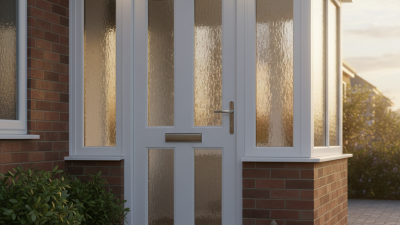
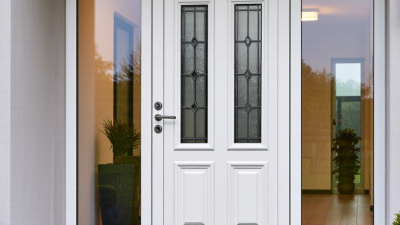
Decorative Glass UPVC Door Combination of patterned, leaded-effect, bevelled-effect, or textured glass and UPVC panels. Offers decorative appeal and can diffuse light to improve privacy. Combines visual character with the weather resistance and low-maintenance qualities of UPVC. Safety-rated glazing and a secure locking system should be specified according to local requirements. Traditional or transitional properties needing a distinctive entrance design. Low; textured glass may require additional attention during cleaning.
Stable-Style UPVC Porch Door Two independently opening sections, allowing the upper and lower parts to operate separately. Glazing may be placed in the upper section; privacy depends on the selected glass and panel layout. Allows controlled ventilation and convenient access while helping restrict pets or young children. Both sections require reliable locking points and accurate alignment to maintain security and weather sealing. Country-style homes, entrances needing ventilation, and properties with pets or children. Moderate; hinges, bolts, locking points, and meeting seals need regular inspection.
French UPVC Porch Doors Pair of outward- or inward-opening door leaves with a central meeting stile. Can be fully glazed, partly glazed, or panelled; privacy is determined by the glazing choice. Provides a wide opening and can increase daylight when both leaves are glazed. Requires secure bolts or shoot bolts on the inactive leaf, along with coordinated multi-point locking. Wide porches, accessible entrances, and projects requiring a broader opening than a single door. Moderate; both leaves and the central seal require adjustment and cleaning.
Sliding UPVC Porch Door One or more panels slide horizontally along a track rather than swinging open. Usually uses a large glazed area to create an open, light-filled entrance. Saves swing space and can provide wide access, although track quality and installation are important. Should include anti-lift protection, secure rollers, a reliable lock, and a robust frame system. Compact porches, entrances with limited swing clearance, and contemporary building designs. Moderate; tracks must remain clean and rollers may need periodic adjustment.
Low-Threshold UPVC Porch Door Single or double door design using a reduced-height threshold profile. Available with solid panels, half glazing, or full glazing. Improves ease of access for wheelchair users, older people, and households carrying items. Threshold drainage, weather seals, frame reinforcement, and correct installation are essential for performance. Accessible entrances and projects where reduced trip risk is a design priority. Low to moderate; the threshold drainage path and seals should be kept clear.
Colour-Finished UPVC Porch Door Standard door configurations finished in white, grey, black, wood-effect, or other foil colours. Glazing options range from clear and obscured glass to decorative or energy-efficient insulated units. Provides design flexibility while retaining resistance to rot, flaking, and routine weather exposure. Colour does not replace structural reinforcement; locking hardware and frame construction remain decisive. Projects requiring a coordinated exterior colour scheme or a wood-effect appearance with less upkeep. Low; avoid abrasive cleaners that may damage the surface finish.
Performance depends on the complete door set, including the UPVC profile, reinforcement, glazing unit, threshold, seals, hardware, manufacturing tolerances, and installation quality. Thermal and security ratings should be confirmed against the applicable local building standards and test documentation.

How to Choose the Right UPVC Porch Door Style

What Are the Best Types of UPVC Porch Doors from China?

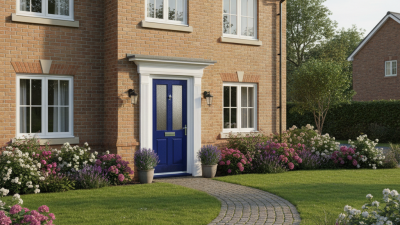
Choosing the right UPVC porch door style starts with your entrance, not a catalogue image. Measure the opening, porch depth, daylight, and expected foot traffic. A solid-panel door suits exposed entrances and offers stronger privacy. A half-glazed design brings daylight while protecting indoor visibility. Full glazing feels welcoming, but it needs suitable privacy glass and careful orientation.

The U.S. Department of Energy reports that windows can cause 25–30% of residential heating and cooling energy use. A glazed porch door is not a window, yet the same principle matters. Ask Chinese manufacturers for the door’s U-value, glass specification, air-permeability class, and weather-test results. Standards such as EN 14351-1, EN 12207, and EN 12208 help compare performance. Do not accept “energy-saving” as evidence.

Opening direction also affects daily comfort. An outward-opening door may save hallway space, but it needs clear drainage and wind control. An inward-opening model is easier to shelter during heavy rain. Low thresholds help prams and older users, although poor installation can invite water. Side panels can widen a narrow entrance, but they increase glazing and heat-loss exposure.

Colour and panel lines should match the property’s proportions. White is practical, though darker finishes can reveal scratches and expansion. I would inspect corner welds, gasket continuity, hinge adjustment, and sample hardware before ordering. The cheapest quotation can look convincing. It may age badly. Door style is partly taste, but installation quality often decides the real result.

Materials, Glass Options, and Security Features to Consider

UPVC porch doors from China can offer strong insulation, flexible designs, and competitive pricing.

The material should have a multi-chamber profile with stable reinforcement inside. Check the wall thickness, welding quality, drainage paths, and resistance to color fading. A poorly reinforced frame may feel light but perform badly after repeated seasonal movement.

Ask for section samples, not only polished photographs. That small step often reveals more.

Glass selection changes comfort and security. Double glazing helps reduce heat loss and outside noise in many homes. Low-emissivity glass can improve thermal performance, especially beside an exposed porch.

For privacy, choose obscure or frosted glass near the handle area. Laminated glass holds together after impact, while toughened glass breaks into smaller pieces. Each option has trade-offs. Heavier glass may require stronger hinges and better frame support.

Security depends on the complete door system, not one impressive lock. Look for multi-point locking, reinforced keeps, anti-lift hinges, and a dependable cylinder design. The handle should resist looseness after frequent use.

I would also inspect the threshold, because weak drainage or poor sealing can invite long-term problems. Request independent test reports and verify performance against local building requirements. Factory claims can sound convincing, but measurable evidence is safer.

I once focused too much on the lock and overlooked hinge reinforcement. That was a useful mistake. Door security needs regular adjustment, too. Even a well-made door can become vulnerable when seals compress or hinges sag.

Quality Standards, Customization, and Supplier Selection

What Are the Best Types of UPVC Porch Doors from China?

Quality starts with the profile, not the color. For porch doors, check lead-free UPVC formulations, galvanized steel reinforcement, and consistent wall thickness. EN 12608 classification can help compare profile performance. EN 14351-1 is also relevant for external doors. Ask for test reports covering air permeability, water tightness, and wind resistance. These details matter during cold rain and strong coastal weather.

Customization should solve site problems, not create decoration. Suppliers may offer inward or outward opening, low thresholds, double glazing, sidelights, and several surface colors. Confirm the exact frame size, hinge position, drainage design, and glass specification. A clear technical drawing prevents expensive mistakes. Small details matter. I once reviewed a door schedule where the opening direction was overlooked. The sample looked excellent, but it could not suit the entrance layout.

Supplier selection requires evidence beyond attractive photos. Request production samples, batch records, welding photos, hardware specifications, and independent laboratory reports. An audit should examine storage conditions, calibration records, and final inspection procedures. Ask how rejected units are handled. A supplier that explains weaknesses may be more reliable than one promising perfection. Still, documents can become outdated, and remote checks have limits. Use a pre-shipment inspection with measurable points, including scratches, corner welds, gasket contact, locking operation, and packaging strength. This approach supports consistent quality while leaving room for practical correction.