





What Is UPVC Windows and Doors and Why Choose Them?
Choosing the right windows and doors affects comfort, security, energy use, and daily maintenance. That choice deserves more than a quick price comparison. The term upvc windows & doors describes frames made from unplasticised polyvinyl chloride, a durable material used in homes, offices, and renovation projects. Unlike timber, UPVC does not require regular painting. Unlike many metals, it offers useful thermal resistance without creating a cold interior surface.
Fenestration specialist Andrew Turnbull explains, “A good window should protect the room while quietly improving how people live in it.” That idea feels practical. A well-fitted UPVC frame can reduce drafts around a bedroom window, soften outside noise, and keep cleaning simple. White frames remain popular, but wood-effect finishes and modern colours now provide more design flexibility. Still, the product is not magic. Poor installation can weaken even a quality frame. Hardware, glazing, drainage, ventilation, and wall conditions also matter.
Reliable buyers should check manufacturer credentials, product testing, warranty terms, and installer experience. Look closely at the corners, seals, hinges, and locking points. Ask how the frame performs during cold mornings and heavy rain. Small details often reveal larger differences. This article explores what UPVC windows and doors are, how they work, and why many property owners choose them. It also considers their limitations, because every material has trade-offs. A cheaper quote may look attractive today, but long-term comfort and performance deserve equal attention.
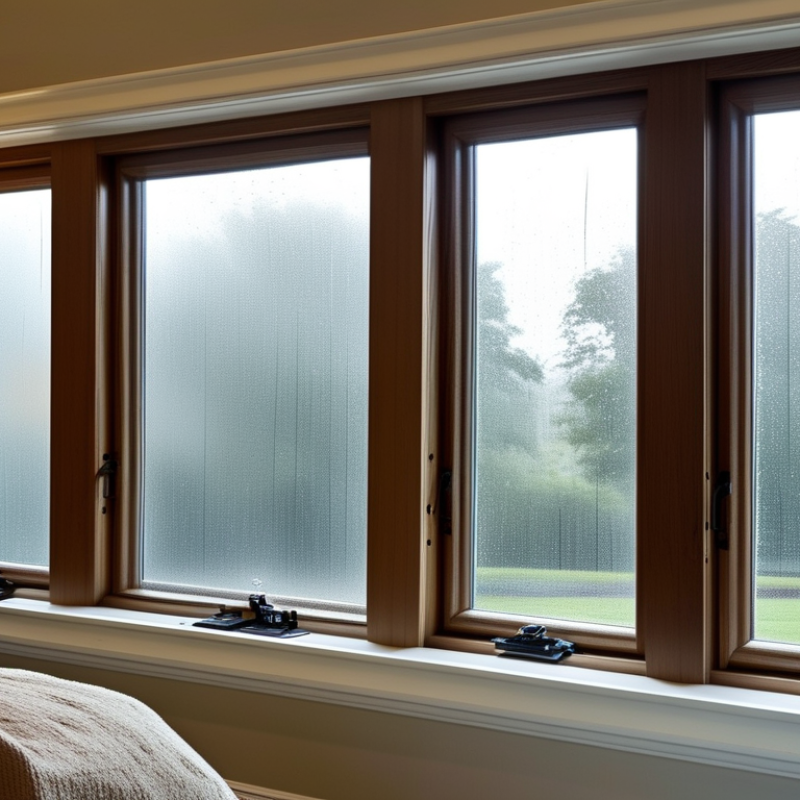
What Are UPVC Windows and Doors?
What Are UPVC Windows and Doors?
UPVC means unplasticized polyvinyl chloride, a rigid material used for modern window and door frames. Unlike ordinary PVC, it does not contain added plasticizers. This helps the frame remain stable in changing temperatures. UPVC frames usually contain sealed chambers that improve insulation. Steel reinforcement may be added for larger openings or extra strength. With suitable glazing, they can reduce outdoor noise and indoor heat loss.
These windows and doors resist moisture, rust, and peeling paint. Their smooth surfaces need only mild soap and water. I have found that careful measurement matters as much as the frame material. A small fitting error can cause drafts, sticking locks, or uneven gaps. UPVC is not flawless. Strong sunlight, poor hardware, and weak installation can reduce long-term performance. Check the frame depth, glass type, drainage design, and locking points before ordering. Ask for written performance information and installation details.
Tips: Choose a qualified installer with verifiable experience. Inspect sample corners and seals closely. Confirm that the doors open smoothly before final payment. Keep drainage holes clear after installation. If a room faces a busy road, consider acoustic glazing rather than relying on the frame alone. Avoid choosing only by the lowest price; cheaper work may create higher repair costs later.
What Is UPVC Windows and Doors and Why Choose Them? - What Are UPVC Windows and Doors?
A practical overview of unplasticized polyvinyl chloride windows and doors, including their construction, performance, maintenance, and typical service characteristics.
| Data Dimension | Typical UPVC Information | Practical Benefit | Important Consideration |
|---|---|---|---|
| Material Definition | UPVC means unplasticized polyvinyl chloride. It is a rigid form of PVC commonly used for window and door frames. | The material provides a stable, low-maintenance frame without the need for regular painting. | Frame quality, reinforcement, profile design, and installation have a significant effect on performance. |
| Thermal Insulation | Typical modern double-glazed UPVC windows can achieve whole-window U-values of approximately 1.2–1.6 W/m²K. Triple-glazed systems may achieve approximately 0.8–1.0 W/m²K. | Lower U-values generally mean reduced heat transfer and improved indoor comfort. | U-value depends on the frame, glazing, spacer, gas fill, window size, and installation quality. |
| Glazing Options | UPVC frames can accommodate single, double, and triple glazing, as well as low-emissivity glass and laminated safety glass. | Different glazing combinations can improve energy efficiency, safety, solar control, or acoustic performance. | Glass selection should match the building’s climate, orientation, ventilation, and local regulations. |
| Weather Resistance | UPVC is resistant to moisture, rot, corrosion, and many common household chemicals. | It is suitable for humid, rainy, and coastal environments when correctly designed and installed. | Hardware, seals, drainage channels, and joints still require inspection and occasional maintenance. |
| Maintenance Requirement | Routine care generally includes cleaning the frames and glass, clearing drainage openings, lubricating hardware, and checking seals. | UPVC normally requires less ongoing maintenance than painted timber frames. | Abrasive cleaners, solvents, and unsuitable paints may damage or discolour the frame surface. |
| Expected Service Life | Well-designed and properly installed UPVC windows and doors commonly provide around 20–40 years of service, depending on exposure and maintenance. | A long service period can reduce replacement frequency and lifecycle costs. | Seals, hinges, locks, handles, and other replaceable components may need attention before the frame. |
| Acoustic Performance | Standard double-glazed windows may provide approximately 30–35 dB of weighted sound reduction, while specially specified systems can provide higher performance. | Improved glazing and airtight installation can reduce traffic and neighbourhood noise. | Actual results depend on glass thickness, laminated layers, frame design, wall construction, and air leakage. |
| Air Tightness | Multi-chamber frames, compression seals, and correctly adjusted hardware help limit uncontrolled air leakage. | Better air tightness can improve comfort and reduce drafts and heat loss. | Installation gaps and poorly adjusted sashes can reduce the performance of an otherwise good window. |
| Security Features | UPVC windows and doors can include multi-point locking systems, reinforced profiles, laminated glass, security handles, and restrictors. | These features can make forced entry more difficult and improve occupant safety. | Security depends on the complete assembly, including locks, hinges, glass, frame reinforcement, and installation. |
| Fire Behaviour | UPVC is combustible and can soften or deform when exposed to high temperatures. Fire performance varies by the complete window or door assembly. | Understanding the material’s limitations supports safer design and specification. | Fire-rated openings require products tested and certified for the specific application; ordinary UPVC units should not be treated as fire-rated. |
| Colour and Appearance | Frames are available in common neutral colours, wood-effect finishes, and coloured surface treatments. | UPVC can suit contemporary, traditional, residential, and commercial designs. | Dark-coloured frames may absorb more solar heat and can experience greater thermal movement than light-coloured frames. |
| Environmental Considerations | UPVC products can be recycled at the end of their service life, although collection and recycling availability varies by region. | Recycling can reduce the demand for virgin material and divert frames from landfill. | Environmental impact also depends on product lifespan, manufacturing, transport, energy performance, and local recycling infrastructure. |
| Installation Quality | Correct measuring, levelling, fixing, insulation around the frame, weather sealing, and hardware adjustment are essential. | Professional installation helps the window or door achieve its intended thermal, acoustic, weather, and security performance. | Even a high-performance unit may underperform if it is incorrectly sized, poorly sealed, or improperly supported. |
| Best-Fit Applications | UPVC is widely suited to residential windows, patio doors, entrance doors, replacement projects, and many low- to medium-rise buildings. | It offers a balanced combination of cost efficiency, insulation, durability, and low maintenance. | Large structural openings, high-rise façades, heritage buildings, or specialist fire applications may require alternative systems or additional engineering. |
Note: The figures shown are typical industry ranges rather than guaranteed product ratings. Actual performance should be confirmed through the tested specifications of the complete window or door assembly and the applicable local building standards.
Related Posts
-
How to Choose the Best UPVC Windows and Doors for Your Home?
-
How to Choose Coloured UPVC Doors for Your Home?
-
Top 5 Tips for Choosing UPVC Porch Doors How to Decide?
-
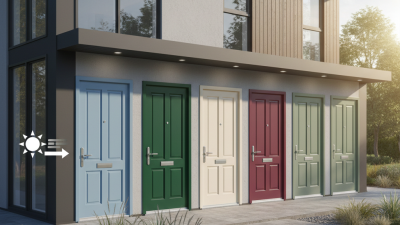
How to Choose the Right Coloured UPVC Doors for Your Home?
-
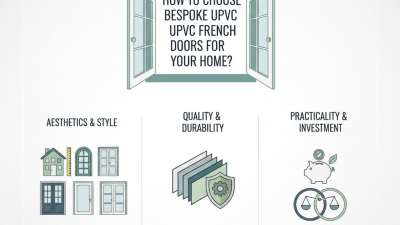
How to Choose Bespoke UPVC French Doors for Your Home?
-
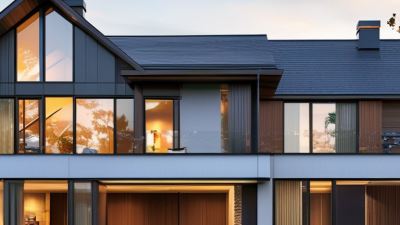
Why Choose UPVC Windows and Doors for Your Home?