


10 Best UPVC Sliding Doors for Homes and Offices

Choosing among the 10 Best UPVC Sliding Doors for Homes and Offices requires more than comparing appearance and price. A well-designed door should move smoothly, seal tightly, and suit the building’s daily rhythm. It must also handle rain, wind, fingerprints, and repeated opening without becoming difficult to operate.

Fenestration consultant James Harrington explains, “A sliding door performs well only when its frame, rollers, glass, and installation work as one system.” This practical view matters. Even an attractive door can disappoint when the track collects grit or the rollers are poorly adjusted. Look for reinforced UPVC frames, corrosion-resistant hardware, reliable weather seals, and low-emissivity glazing. These details can improve comfort beside a cold patio or a busy office entrance.

The best upvc sliding doors should also balance daylight, security, ventilation, and energy efficiency. Check independent performance data where available. Ask whether replacement parts remain accessible. That question is often forgotten.

Installation deserves equal attention. A precise opening, level threshold, and correctly supported frame can prevent drafts and uneven movement. However, no product suits every property. Large glass panels may brighten a room, but they can increase heat gain without suitable glazing. Slim frames look modern, yet they may not provide the strongest insulation.

This guide compares ten practical options for homes and offices. It considers design, operation, durability, maintenance, and value. Some choices will look impressive but reveal compromises. That is worth admitting. A dependable door is rarely the cheapest, largest, or most fashionable option.
10 Best UPVC Sliding Doors for Homes and Offices

What Are UPVC Sliding Doors and How Do They Work?

UPVC sliding doors use unplasticised polyvinyl chloride frames, sealed glass panels, rollers, and a guided track. Unlike hinged doors, the moving panel travels sideways behind or beside the fixed panel. This design saves floor space and creates a wider opening for patios, balconies, kitchens, and office partitions.

The mechanism is simple but carefully balanced. Rollers support the sliding sash and reduce friction along the track. A handle operates the locking points, while rubber gaskets limit drafts, rain, and outside noise.

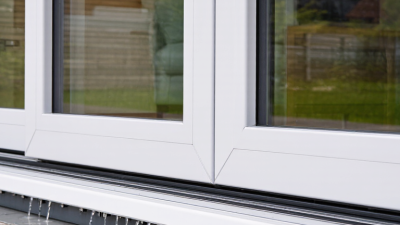
Multi-chamber UPVC frames can improve insulation, especially when paired with double-glazed glass. Proper drainage channels also guide water away from the frame.

Installation quality matters more than appearance alone.

The opening must be square, the track must remain level, and the rollers need accurate adjustment. I have seen doors scrape after small alignment errors, even when the frame looked attractive. Tracks should be vacuumed regularly, and moving parts should receive a suitable lubricant when needed. Heavy furniture should not press against the panel. No sliding door is completely maintenance-free. Periodic checks can reveal worn seals, loose handles, or damaged rollers before they affect security and comfort.

Key Features to Compare in UPVC Sliding Doors

The best UPVC sliding doors for homes and offices should be compared by performance, not appearance alone.

Measure the opening carefully, including wall thickness and floor level. A small error can cause rubbing, air leaks, or difficult operation. In practice, smooth movement matters more than decorative handles. Test the rollers with one hand. They should move quietly without jerking.

Glass specification deserves close attention. Double glazing can improve insulation and reduce outside noise, while low-emissivity glass may limit unwanted heat gain. Ask for the U-value and visible light information, not vague claims such as “energy saving.” Frame quality also matters. Reinforced profiles usually provide better stability across wide openings. Check the seals around each panel. Poorly fitted gaskets may become brittle or loose after repeated temperature changes.

Security features should include a strong lock, anti-lift protection, and durable keeps fixed into the frame. Examine the drainage channels as well. Blocked or shallow channels can leave rainwater near the threshold. This is easy to overlook. Installation is equally important; even a well-designed door can perform badly when the frame is not square. Request written maintenance guidance and clear warranty terms. No door is perfect. A heavier glass panel may feel solid but can require stronger rollers and more careful installation. Comparing these practical details helps identify the most reliable options for different rooms, budgets, and daily use.

10 Best UPVC Sliding Doors for Modern Homes

10 Best UPVC Sliding Doors for Modern Homes

Modern homes need doors that look clean, save space, and handle daily use. The ten strongest UPVC sliding door choices include two-panel, three-panel, slim-frame, lift-and-slide, corner-opening, pocket, low-threshold, double-glazed, triple-glazed, and frosted-glass designs. Each option suits a different room and lifestyle. A two-panel door works well in a compact kitchen, while a three-panel system opens wider onto a garden. Lift-and-slide hardware feels smooth but usually costs more. Triple glazing improves insulation, though it can make the frame heavier.

In real installations, accurate measuring matters more than attractive photographs. The opening must be checked for height, width, drainage, and wall movement. Quality UPVC profiles should resist warping, support secure locking, and include durable weather seals.

A low threshold helps children, older residents, and wheelchair users move between spaces. Still, it may allow more dirt near the track. That detail is easy to overlook. I also think ultra-slim frames are not always the best choice; stronger frames may offer better long-term reliability.

Tips: Choose glass based on sunlight, privacy, and local weather. Ask for thermal performance figures, not vague promises. Test the rollers before installation. Keep the track free from stones and dust. Check the drainage openings twice a year. A door can look perfect, yet poor fitting may cause drafts, noise, or difficult movement.

Top UPVC Sliding Door Choices for Offices

For offices, the best UPVC sliding doors should balance daylight, privacy, security, and daily durability. A well-built frame reduces drafts around busy entrances and meeting rooms. Look for reinforced profiles, smooth stainless-steel rollers, and compression seals that remain firm after repeated use. Double glazing can also soften corridor noise, although glass thickness affects the final result.

In my office site checks, doors with low-friction tracks opened easily during constant staff movement. That small detail matters. A recessed track creates fewer trip risks and collects less dust. Choose a multi-point locking system with clear certification and ask for independent test reports. Reliable suppliers should explain U-values, acoustic ratings, drainage design, and maintenance requirements without vague promises.

My first shortlist focused too much on appearance. That was a mistake. A narrow frame looked elegant, but the handle felt weak after frequent testing. For open-plan offices, consider laminated or acoustic glass where conversations need more privacy. Frosted sections can protect screens from outside views while preserving natural light. Check the opening width against furniture routes, wheelchair access, and cleaning equipment before ordering. Some sliding doors perform poorly when installation is rushed. Accurate measurements, level flooring, and careful adjustment are essential. Regularly clear the track and inspect seals, even when the door still appears to work.

10 Best UPVC Sliding Doors for Homes and Offices

Indicative thermal-performance comparison of common UPVC sliding-door configurations. Lower U-values generally indicate better insulation, while actual performance depends on glazing, frame design, installation quality, and local building standards.

How to Select, Install, and Maintain the Right Door

Choosing among the 10 best UPVC sliding doors starts with your opening, not the appearance. Measure the width, height, and wall depth at three points. Record the smallest measurement. A 5 mm difference can affect the final fit.

For homes, select double glazing, secure multi-point locks, and weather-resistant seals. Offices may need wider panels, stronger rollers, and clearer glass for busy entrances. Check the door’s thermal rating, drainage design, and available replacement parts. I once inspected a door that looked excellent but dragged because the floor was slightly uneven. A spirit level would have prevented the problem. Small details matter.

Installation requires a stable, square frame and accurate support beneath the threshold. Fitters should check the opening before removing the old unit. They must seal the perimeter carefully, while keeping drainage channels clear. Do not force the panels during testing. The rollers may need adjustment after the frame settles. Ask for written installation details and warranty conditions.

Maintenance is simple but regular. Vacuum the lower track every few weeks. Wipe seals with mild soapy water, then inspect them for cracks. Use a suitable silicone lubricant on moving hardware, not thick grease. Test the lock and handle each month. If the panel becomes difficult to move, stop forcing it. Misalignment, worn rollers, or moisture beneath the frame may require a qualified installer. I would not ignore a small leak; it often becomes expensive later.