2026 Top Types of French Windows and Doors for Global Buyers
French windows and doors are entering 2026 with stronger demand from architects, renovators, and global residential developers. Their appeal is easy to see: tall glass panels, slim sightlines, and doors that open a room toward a garden or balcony. Yet beauty does not guarantee performance. A frame can look elegant and still leak air around its hinges.
The International Energy Agency and the United Nations Environment Programme report that buildings consume about 30% of global final energy and create roughly 26% of energy-related emissions. The U.S. Department of Energy adds that windows can contribute 25–30% of household heating and cooling energy use. These figures make glazing, installation, and orientation important buying decisions, not decorative details. This guide examines casement windows, tilt-and-turn systems, sliding doors, hinged French doors, and thermally broken aluminium designs. It also considers low-emissivity glass, spacer technology, drainage paths, and regional weather exposure.
Building-science expert Joseph Lstiburek has often stated, “Windows are holes in walls.” The sentence sounds blunt, but it is useful. Every opening must control air, water, heat, and sound. Buyers should request tested U-values, solar heat gain data, air-leakage ratings, and installation details. Local standards still matter. A product suitable for a mild coastal home may disappoint in a cold continental climate. No ranking can fit every project. That limitation deserves attention. Our 2026 overview therefore compares appearance with measurable performance, long-term maintenance, and supplier reliability, helping international buyers choose french windows and doors with fewer expensive surprises.
What Defines French Windows and Doors in 2026
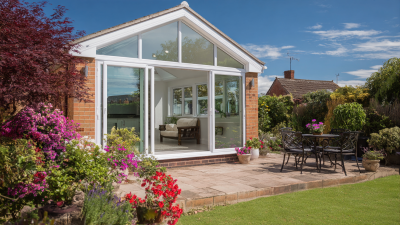
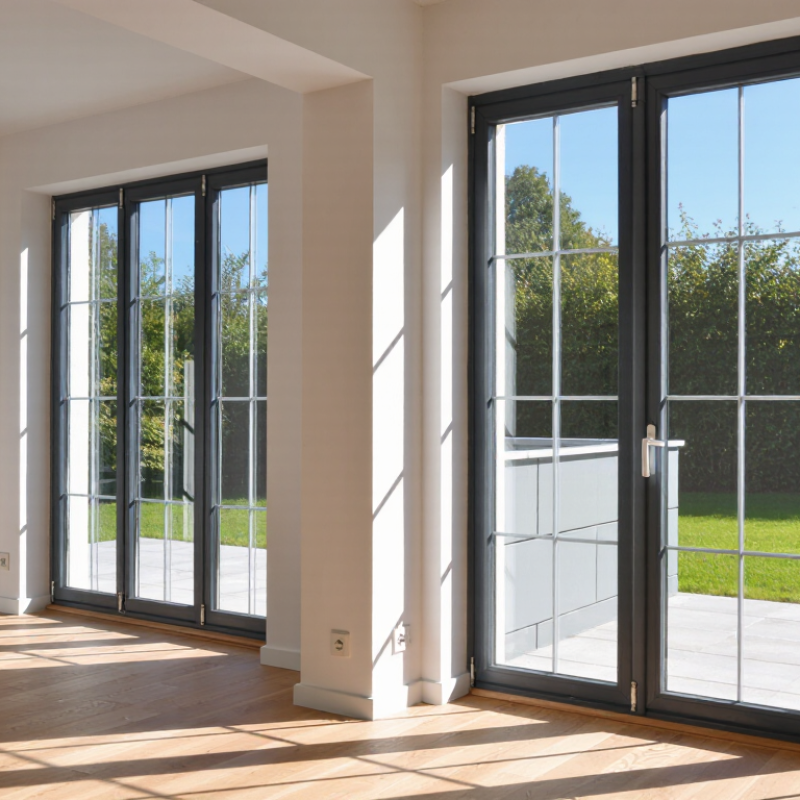
In 2026, French windows and doors are defined by more than a graceful, symmetrical appearance. Their signature is a pair of hinged panels that open from the centre. Both panels usually carry extensive glazing, creating a broad, uninterrupted view. Unlike a single casement, this arrangement supports balanced airflow and easier movement between rooms and outdoor spaces. It sounds simple. Yet the term is not perfectly fixed. Some suppliers use it for tall windows, while others reserve it for full-height doors.
Practical performance now shapes the definition. Low-emissivity glass, warm-edge spacers, and insulated frames help reduce heat transfer. However, extensive glazing can increase solar gain in hot climates. Experienced buyers should check whole-unit U-values, air leakage, water resistance, and local weather exposure. Hardware matters too. Multi-point locks, adjustable hinges, and threshold options affect security, sealing, and daily comfort. For coastal projects, corrosion-resistant finishes deserve specific verification.
Design flexibility is another 2026 marker. Slim sightlines, divided lites, concealed drainage, and low thresholds suit contemporary renovations. Recycled content and repairable components may also influence responsible purchasing. Still, not every elegant specification performs equally well. Installation quality can decide whether a premium unit remains airtight after years of use. I have seen beautiful doors fail because the opening was measured casually. A reliable quotation should state dimensions, glass specification, frame material, testing data, warranty terms, and maintenance needs. Those details define the product more honestly than photographs do.
Popular French Door Designs and Opening Configurations
2026 Top Types of French Windows and Doors for Global Buyers
Popular French Door Designs and Opening Configurations
French doors remain popular because they create a wide, symmetrical opening. A common design uses two center-hinged leaves. Both panels open inward or outward, depending on room layout and local weather exposure. One active leaf can reduce daily inconvenience. The second leaf opens when furniture, guests, or garden equipment needs to pass through. A 1,800-millimetre pair feels generous, but it also needs clear floor space.
Outswing configurations suit compact interiors and protect indoor furniture from moving panels. However, they need drainage planning in wet climates. Inswing doors are easier to shelter with an overhang. They may interfere with rugs or nearby cabinets. Sliding French-style doors save swing space, but their overlap reduces the fully open area. Pocket systems look clean, though installation can become complex inside existing walls.
Performance deserves equal attention. The UNEP/GlobalABC 2024 Buildings Global Status Report states that buildings use about 32% of global energy. Better glazing, insulated frames, and effective weather seals can reduce unwanted heat transfer. Low-emissivity glass is useful in both cold and hot regions. Buyers should compare U-values, solar heat gain coefficients, and air-leakage ratings. The International Energy Agency’s 2024 energy-efficiency analysis also highlights rising cooling demand, making solar control increasingly important.
No configuration is perfect. Coastal buyers may need corrosion-resistant hardware. Cold-climate buyers should inspect thresholds and compression seals. A beautiful door that admits wind is still a design mistake.
Key Materials, Glazing, and Energy Efficiency Options
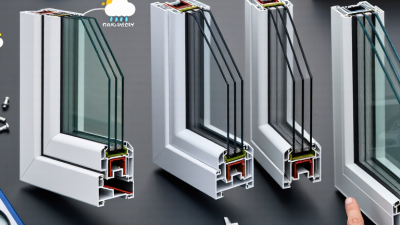
French windows and doors give global buyers broad choices in frame materials, glazing, and thermal performance. Timber offers warmth, repairability, and strong insulation, but it needs careful sealing in humid climates. uPVC resists moisture and usually requires less maintenance. Aluminum suits large openings and slim sightlines. Specify a thermal break, because untreated metal conducts heat quickly.
Glazing often determines real comfort. Double glazing works well in moderate climates, while triple glazing suits cold regions and high-performance homes. Low-emissivity coatings reduce radiant heat transfer. Argon-filled cavities can improve insulation when the edge seals remain sound. The U.S. Department of Energy identifies low-e windows as an effective method for reducing heat loss and unwanted solar gain. However, lower U-values alone do not guarantee comfort. Solar heat-gain coefficient, visible light, air leakage, and installation quality matter too.
The United Nations Environment Programme reports that buildings consume about 30% of global final energy and produce roughly 26% of energy-related emissions. This makes window specification more than an aesthetic decision. Buyers should request whole-window U-values, not only center-glass figures. They should also check air leakage ratings and local climate requirements. A south-facing glazed door may need solar-control glass, while a shaded northern window may benefit from higher solar gain. No material wins everywhere. I would not promise zero condensation without studying ventilation, indoor humidity, and installation details. That caution is less attractive, but more reliable.
How Global Buyers Can Compare Quality, Standards, and Costs
Global buyers comparing French windows and doors should examine performance before appearance. Slim frames, tall glass panels, and inward-opening panels may look similar in photographs. Their quality can differ greatly.
Ask suppliers for tested air tightness, water resistance, wind-load performance, thermal transmittance, and acoustic ratings. Check the test method and product size. A result from a small laboratory sample may not represent a large door. Review frame materials, glazing thickness, drainage design, hinges, locks, and gasket quality. Small parts matter.
Standards also require careful comparison. European, North American, and regional requirements may use different terms and rating systems. Request current technical sheets, factory quality records, installation guides, and traceable batch information. A certificate alone is not enough. It should match the exact profile, glass, hardware, and configuration being purchased.
Cost comparison must include more than the factory price. Add packaging, shipping, customs charges, unloading, installation, replacement parts, and after-sales support. Confirm whether the quote includes screens, sill flashing, handles, and protective film. A low quote can be incomplete. Very high specifications may also bring unnecessary expense for a mild climate.
Request a physical sample or video inspection of corner joints and drainage paths. Check how smoothly the sash closes. Poor installation can reduce excellent laboratory performance. This is often overlooked. Buyers should also compare warranty periods and response procedures in writing. Some decisions remain imperfect because climate, building design, and budget rarely align. That is why a clear comparison table is more reliable than attractive product images.
How Global Buyers Can Compare French Windows and Doors
Lower Uw values indicate better thermal insulation. The installed cost index uses a basic casement window as the reference point at 100; actual prices vary by size, frame material, glazing, hardware, certification, shipping, and installation conditions. Buyers should verify performance against EN 14351-1, air-permeability EN 12207, watertightness EN 12208, and wind-load resistance EN 12210.