





China Best UPVC Sliding Doors for Global Buyers?
China Best UPVC Sliding Doors for Global Buyers? The answer depends on more than price, profile color, or polished factory photographs. Reliable upvc sliding doors should resist rain, reduce air leakage, move smoothly, and remain stable after years of daily use. A buyer should examine the uPVC profile class, steel reinforcement, glazing thickness, drainage channels, roller quality, and tested weather performance.
Fenestration consultant John Leeke offers a practical warning: “A door must manage water, air, and movement before it manages appearance.” That principle matters when comparing Chinese manufacturers. A bright showroom proves little. Ask for laboratory reports, production samples, installation instructions, and references from similar climates. Coastal projects need stronger corrosion resistance. Cold regions require better thermal breaks and low-emissivity glass. Large openings also demand careful hardware selection.
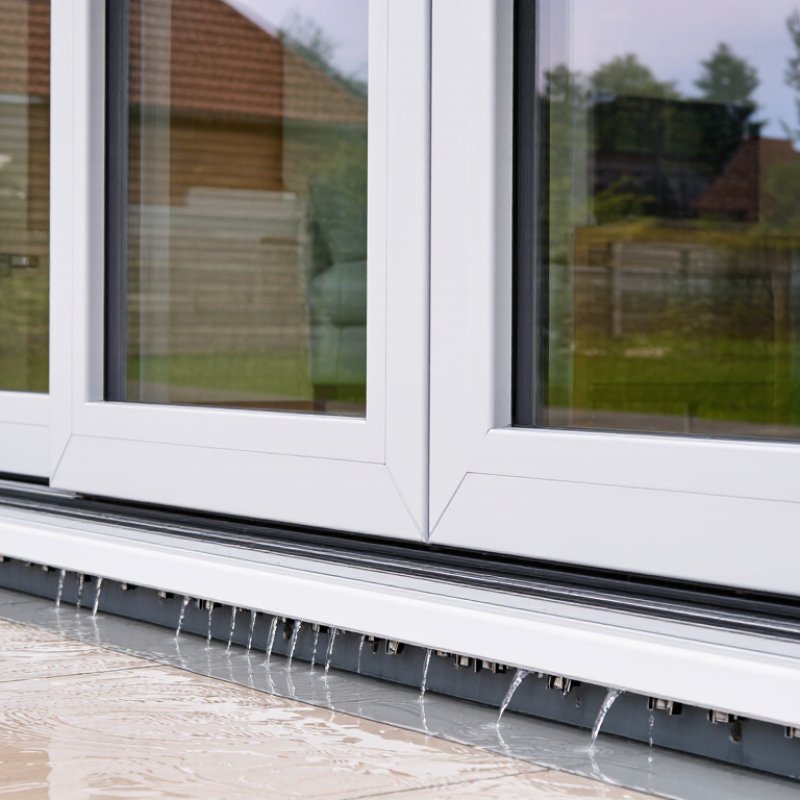
Details reveal experience. Check whether the rollers glide quietly under a loaded sash. Inspect the corner welds for clean, consistent lines. Pouring water across the track can expose poor drainage, although this simple test cannot replace certified testing. It is easy to call one supplier “the best.” That may be too confident. Factory audits, batch inspections, warranty terms, and responsive technical support create a more dependable judgment.
Global buyers should also compare packaging, container loading, replacement parts, and communication speed. A competitive quotation can become expensive after damaged glass or missing rollers arrive. Good upvc sliding doors are not merely manufactured; they are specified, tested, packed, installed, and supported with discipline. That complete process separates a credible partner from an attractive listing.
What Are UPVC Sliding Doors and Why Choose Them?
UPVC sliding doors use rigid, unplasticized polyvinyl chloride frames with rollers, glazing, seals, and reinforcement. Unlike ordinary PVC, UPVC contains no added plasticizer, so it stays relatively stable in heat and daily use. The sliding design saves floor space. It suits balconies, patios, apartments, and commercial entrances where swing clearance is limited.
Energy performance matters. The U.S. Department of Energy reports that windows can cause 25–30% of residential heating and cooling energy use. A well-made UPVC door with double glazing, low-emissivity coating, and tight weather seals can reduce unwanted heat transfer. The European Commission also identifies buildings as responsible for about 40% of energy consumption in Europe, making envelope performance a practical purchasing concern. Check the tested U-value, air leakage, water resistance, and solar heat gain coefficient. Do not trust vague phrases like “energy saving.”
From my inspection experience, the frame is only half the product. Reinforced profiles, stainless hardware, adjustable rollers, and drainage openings strongly affect service life. Poor installation can ruin a good door. It can create drafts, water entry, or difficult movement. China’s large manufacturing base offers many UPVC sliding-door configurations, but specifications differ widely between factories. I would request test reports, section drawings, sample hardware, and climate-specific recommendations before ordering. One weakness remains: advertised laboratory results may not match a poorly fitted door on a windy coastal site.
China Best UPVC Sliding Doors for Global Buyers? - What Are UPVC Sliding Doors and Why Choose Them?
| Data Dimension | Typical UPVC Sliding Door Information | Why It Matters to Global Buyers | Recommended Verification |
|---|---|---|---|
| Basic Definition | A sliding door made with unplasticized polyvinyl chloride profiles, insulated glazing or other glass options, seals, rollers, and locking hardware. | Clarifies that performance depends on the complete door system, not only the frame material. | Request section drawings, profile specifications, glass configuration, hardware details, and installation instructions. |
| Common Opening Configurations | Two-panel, three-panel, and multi-panel systems; one or more panels may slide behind fixed panels depending on the design. | The configuration affects ventilation, clear opening width, structural requirements, and operating weight. | Confirm panel count, active-panel direction, track layout, and required rough-opening dimensions. |
| Frame Material | Multi-chamber UPVC profiles are commonly used to improve rigidity and reduce heat transfer compared with single-chamber profiles. | Profile geometry, wall thickness, reinforcement, and welding quality influence strength, stability, and service life. | Check profile cross-sections, reinforcement material, visible-surface finish, weld quality, and applicable local standards. |
| Thermal Insulation | Performance is influenced by frame design, glazing, spacer, seals, installation, and thermal bridging. Lower U-values generally indicate better insulation. | Helps reduce heat transfer and may support indoor comfort and building-energy goals. | Ask for a complete-door U-value calculated or tested for the intended size and glass specification. |
| Glazing Options | Single, double, or triple glazing may be available. Low-emissivity coatings, laminated glass, tempered glass, and gas-filled insulating glass can provide different benefits. | Glass selection affects thermal performance, solar control, acoustic performance, safety, and weight. | Specify glass thickness, make-up, safety classification, coating position, spacer type, and edge-seal requirements. |
| Weather Sealing | Compression seals and brush seals are used to limit air and water penetration around the frame and sliding panels. | Sealing quality affects comfort, water resistance, wind performance, and long-term operation. | Review air-permeability, watertightness, and wind-load test results for the proposed door system. |
| Operating Mechanism | Panels run on rollers along a track. Roller quantity, bearing design, track alignment, and panel weight affect operating force. | Smooth operation is essential for daily use and can reduce premature hardware wear. | Confirm maximum panel weight, roller adjustment range, replacement availability, and track-cleaning requirements. |
| Security Features | Possible features include multi-point locks, anti-lift devices, reinforced meeting stiles, safety glazing, and lockable handles. | Security depends on the complete assembly, correct installation, and resistance of the surrounding wall and frame. | Request hardware specifications and test evidence relevant to the destination market and building type. |
| Acoustic Performance | Sound reduction varies with glass thickness, laminated interlayers, air gaps, frame seals, installation, and surrounding construction. | Important for homes, hotels, offices, and projects near roads, railways, or airports. | Use tested acoustic ratings for the complete door rather than relying only on the glass manufacturer's value. |
| Corrosion and Moisture Resistance | UPVC itself does not rust, while metal tracks, rollers, screws, and reinforcement still require suitable materials and protective finishes. | Coastal, humid, and high-rainfall environments can accelerate deterioration of exposed hardware. | Specify corrosion-resistant hardware, drainage design, seal compatibility, and maintenance procedures. |
| Typical Maintenance | Routine care normally includes cleaning tracks and drainage paths, checking seals, lubricating compatible hardware, and adjusting rollers when needed. | Regular maintenance helps preserve smooth movement, sealing, and drainage performance. | Obtain a maintenance schedule, recommended cleaning products, spare-parts list, and service guidance. |
| Customization Scope | Common options include dimensions, opening direction, frame color, glass type, handle style, screen panels, threshold, and hardware finish. | Customization allows the door to meet project aesthetics, climate conditions, accessibility needs, and local code requirements. | Approve shop drawings and a physical sample before mass production when project tolerances are critical. |
| International Purchasing Factors | Buyers should evaluate technical compliance, packaging, shipping dimensions, installation support, replacement parts, lead time, and import documentation. | The lowest unit price may not represent the lowest total installed cost. | Compare delivered cost, inspection requirements, packaging protection, warranty terms, and after-sales responsibilities. |
| Standards and Testing | Relevant requirements depend on the destination country and may cover air permeability, watertightness, wind resistance, thermal transmittance, impact safety, and operation. | Compliance must be assessed against the regulations and performance classes applicable to the project location. | Request current reports from an appropriately qualified or accredited testing body and confirm product-to-report consistency. |
Note: Actual performance depends on the complete door assembly, dimensions, glazing, hardware, installation quality, climate, and applicable local building requirements.
Related Posts
-
What Are the China Top 10 UPVC Sliding Doors Suppliers?
-
How to Choose the Best UPVC Sliding Doors for Your Home?
-

2026 Top Windows and Doors Trends for Global Buyers?
-

Top 10 Benefits of UPVC Windows & Doors for Your Home Improvement
-
2025 Guide: How to Choose the Best Pro Windows and Doors for Your Home
-

Top 10 Benefits of Installing Upvc Porch Doors for Your Home