The Ultimate Guide to Choosing the Best Conservatory Doors for Your Home?
When it comes to selecting the ideal conservatory doors for your home, expert advice can make all the difference. Renowned designer Sarah Thompson emphasizes, "Conservatory doors should blend style with energy efficiency." With various options available, homeowners must navigate a sea of choices that can seem overwhelming.
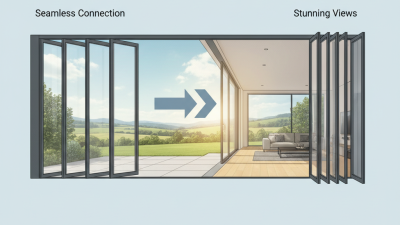
Choosing the right conservatory doors involves more than just aesthetics. Consider factors like climate, material, and function. Glass doors can create a bright atmosphere but may require more maintenance. On the other hand, bi-fold doors offer flexibility but may not suit every space. It’s essential to weigh these details carefully.
While there are numerous styles and designs, remember that no option is flawless. Every choice comes with potential drawbacks. For instance, larger openings increase space but can compromise energy efficiency. Thus, reflecting on personal needs and the specific characteristics of your home is crucial. Finding that perfect balance between utility and beauty in conservatory doors should be a thoughtful process.
Understanding the Importance of Conservatory Doors in Home Design
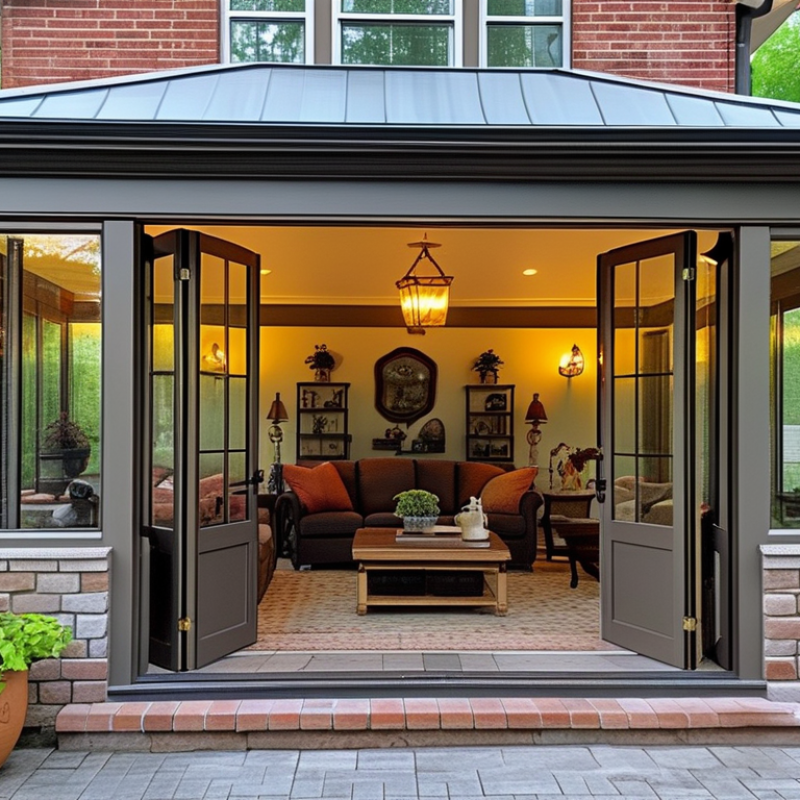
When considering home design, conservatory doors play a vital role. They serve as gateways between indoors and outdoors. Choosing the right doors enhances not only the aesthetics but also the functionality of your space. Glass doors can flood your conservatory with natural light, making it feel airy and spacious. However, aesthetics should not come at the expense of security and insulation.
The materials of the conservatory doors are crucial. Wood, aluminum, and uPVC each have unique advantages. Wooden doors offer warmth but require regular maintenance. Aluminum provides strength and modern appeal, but might lack the same insulation. uPVC can offer a balance of affordability and energy efficiency. Understanding these choices can be overwhelming. It’s essential to prioritize your needs and preferences.
The height and width of your doors can significantly impact the overall look. Standard sizes may not suit every conservatory. Custom options allow for a more tailored approach. This decision can define how inviting your space feels. Researching styles and features is beneficial, but reality may challenge your initial visions. Aim for a balance between your dreams and the constraints of your home. Consider how the doors might change the flow of your space over time.
Types of Conservatory Doors: Exploring Styles and Materials
Choosing the right conservatory doors is an important decision for any homeowner. The style and material of the doors can significantly influence your home's aesthetics and energy efficiency. Wooden doors offer a traditional look, adding warmth and charm. They're often customizable but require regular maintenance to prevent warping and decay.
On the other hand, uPVC doors are low-maintenance and highly durable. They resist weather elements well and are available in various styles. Aluminum doors are modern and sleek, providing a contemporary feel. However, they can be less energy-efficient without proper insulation.
Each type has its pros and cons. Careful consideration is vital. Assess how each material fits your home’s style and your own lifestyle. Think about longevity, maintenance, and insulation needs. Your choices should reflect both practicality and personal taste. Remember, the right doors can enhance your living space while also offering a welcoming entry point to your conservatory.
The Ultimate Guide to Choosing the Best Conservatory Doors for Your Home
This chart illustrates the popularity of different types of conservatory doors based on survey data. uPVC doors are the most popular choice, followed by aluminium and wood options, while composite and glass doors account for smaller segments of the market. Selecting the right type can enhance the aesthetics and functionality of your home.
Key Factors to Consider When Choosing Conservatory Doors
When selecting conservatory doors, safety and energy efficiency are paramount. According to a recent survey by the Home Improvement Research Institute, nearly 40% of homeowners prioritize security features when purchasing new doors. Consider doors that feature multi-point locking systems to enhance protection against intruders. For added peace of mind, look for doors that have been tested against forced entry.
Another vital factor is thermal performance. Energy-efficient doors can help reduce heating costs and improve comfort. The Energy Saving Trust states that poorly insulated doors contribute to up to 25% of heat loss in homes. Choose doors with high thermal ratings, such as those meeting or exceeding Building Regulations Part L. Double or triple glazing options further minimize heat transfer, making your conservatory a livable space year-round.
Aesthetics play a significant role too. Many homeowners desire doors that blend seamlessly with their home’s exterior. Customization options, like various finishes and colors, allow you to express your style. However, it’s essential to reflect on the balance between appearance and functionality. Striking this equilibrium can be challenging, yet it is crucial for long-term satisfaction with your conservatory doors.
The Ultimate Guide to Choosing the Best Conservatory Doors for Your Home
| Factor |
Description |
Considerations |
| Material |
Choose from wood, PVC, or aluminum depending on style and durability. |
Consider maintenance, insulation properties, and aesthetics. |
| Style |
Select the design that complements your home’s architecture. |
Research various styles like bi-fold, French, or sliding doors. |
| Energy Efficiency |
Look for doors with good insulation to save on energy bills. |
Check for energy ratings and materials used. |
| Security |
Ensure doors have robust locking mechanisms. |
Consider reinforced frames and multi-point locking systems. |
| Budget |
Know your financial limits to avoid overspending. |
Factor in installation costs and potential long-term savings. |
Energy Efficiency and Insulation in Conservatory Door Selection
When selecting conservatory doors, energy efficiency and insulation are key factors. A report from the Building Research Establishment indicates that poorly insulated doors can lead to a significant increase in energy bills, up to 20% more annually. Homeowners should prioritize doors with high thermal performance ratings. Look for models that are double or triple-glazed. These options provide better insulation, keeping homes warmer in winter and cooler in summer.
Tips: Always check for the Energy Star rating. This certification ensures the door meets rigorous energy efficiency standards.
Moreover, consider the material of the doors. For instance, uPVC doors often offer better insulation compared to wood or aluminum. According to a study published by the Energy Saving Trust, uPVC doors can reduce heat loss by as much as 40%. However, note that not all uPVC products are created equal. Some may degrade faster than others, leading to potential insulation issues over time.
Tips: Opt for products with a warranty or guarantee. This can save you money on future repairs or replacements.
Incorporating good insulation into your conservatory doors can transform your home. However, not all installations meet expectations. Always seek professional advice before making choices. Quality matters when it comes to both performance and longevity.
Installation and Maintenance Tips for Long-lasting Conservatory Doors
When selecting conservatory doors, installation plays a key role in their longevity. A recent industry report indicates that over 30% of door failures stem from improper installation. Ensuring a level frame is critical. Uneven frames can cause stress on hinges and seals. This might lead to drafts and water leaks over time.
Maintenance is just as vital. Experts recommend regular cleaning and lubrication of hinges and locks every six months. This small step can extend the life of your doors significantly. A lack of maintenance may result in rust or corrosion, especially in humid environments. An analysis from a leading door manufacturer shows that routine maintenance can increase door performance by up to 50%.
In terms of materials, PVC and aluminum are popular choices. While they offer durability, the maintenance needs can vary. For example, wood doors require more attention to prevent rot. Regular inspections help identify potential issues early, preventing costly repairs later. Even professionals occasionally miss these checks, emphasizing the need for vigilant upkeep.