Why Choose UPVC Sliding Doors for Your Home?
UPVC sliding doors can make a room feel brighter and more open without requiring the space needed for a swinging door. Their panels glide along a track, which can be useful beside a patio, balcony, or narrow garden path. Large glass areas also bring daylight deeper into a living room. On a cloudy morning, that difference can be noticeable. Light matters.
The appeal is practical, too. UPVC frames generally need less routine upkeep than painted timber, though they still benefit from occasional cleaning and hardware checks. A well-fitted door can help limit drafts, but performance depends on frame quality, glazing, seals, and installation. Ask suppliers for clear specifications, including energy ratings and warranty details, rather than relying on broad promises. Not every room is suited to a large glazed opening.
There are trade-offs worth considering before choosing upvc sliding doors. Tracks can collect dust and grit, and sliding panels usually open only part of the overall doorway at once. Check that the floor is level, drainage is planned, and the handle feels comfortable to use. If noise reduction, privacy, or security is a priority, compare glazing and locking options with a qualified installer. The cheapest quote may not include the details that matter. It is easy to overlook them.
This guide explores the main benefits, limitations, design choices, and upkeep involved. The right door should fit the home’s layout and everyday use—not just look good in a showroom.
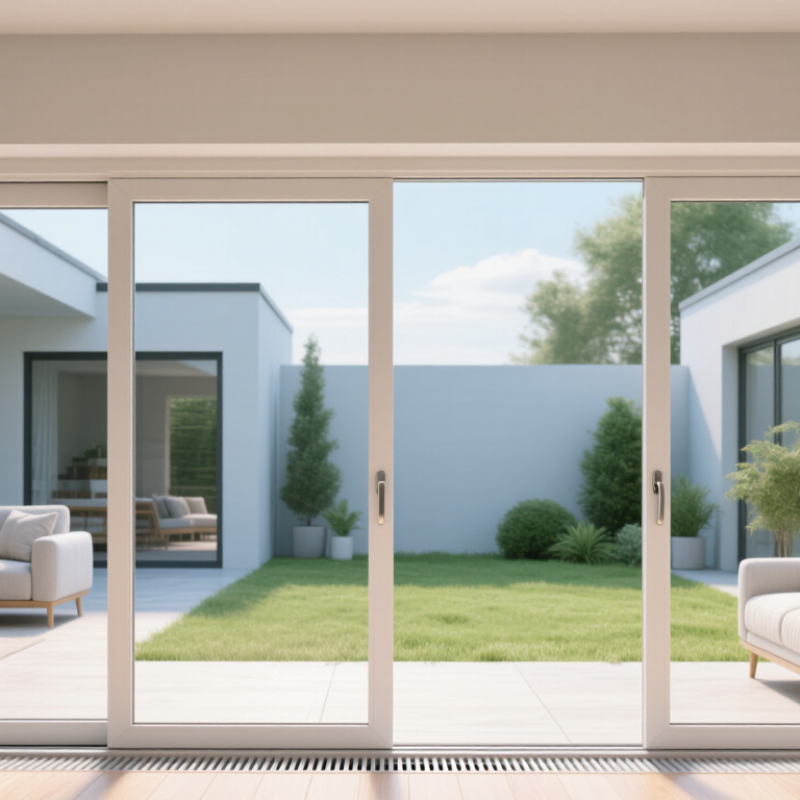
What Are UPVC Sliding Doors?
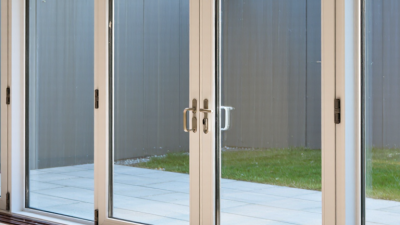
A UPVC sliding door has a frame made from unplasticized polyvinyl chloride. Its glazed panels move sideways along a track, rather than swinging into a room. One panel may stay fixed while another rolls on small wheels. The track, rollers, seals, frame, and glass all affect how the door works. UPVC itself does not guarantee strong insulation or smooth movement. Details matter.
These doors are often chosen where floor space is tight, such as beside a patio table or narrow hallway. Large glass panels also bring daylight indoors, though they can make a room feel exposed without suitable curtains or blinds. The U.S. Department of Energy’s Energy Saver guidance estimates that heat gain and loss through windows account for about 25–30% of residential heating and cooling energy use. This figure concerns windows generally, not UPVC sliding doors alone. Still, it shows why glazing, weather seals, and careful installation deserve attention. Check whether the panels glide evenly and close without a visible gap. Small flaws can matter. Tracks collect grit, too, and need occasional cleaning. A practical detail, but easy to overlook.
How UPVC Sliding Doors Are Built and Operate
Why Choose UPVC Sliding Doors for Your Home?
How UPVC Sliding Doors Are Built and Operate
A UPVC sliding door combines a rigid frame, glazed panels, rollers, tracks, seals, and a locking mechanism. Many frames contain internal chambers that help limit heat transfer. Some also use reinforcement, depending on the design and size. The glass sits inside the sash, held by glazing beads and seals. These parts work together, but small differences in installation can affect how smoothly the door moves. Small details matter.
When you slide the handle, rollers beneath the moving panel travel along a track. The lock then engages with the frame to secure the panel. Weather seals around the edges help reduce drafts and rain entry; they cannot compensate for poor alignment or damaged seals. A level opening and correctly adjusted rollers are important. One drawback is that dirt can collect in the lower track, making the panel harder to move over time.
Tips: Vacuum the track and wipe it with a damp cloth every few weeks. Check that drainage openings are clear, and look for worn or compressed seals. If the door drags, avoid forcing it; the rollers may need adjustment. Not every issue is obvious at first glance.
Key Benefits of UPVC Sliding Doors for Homes
UPVC sliding doors can bring broad daylight into a room without needing space for a swinging door. Their panels glide along a track, which works well in kitchens, patios, and compact living areas. A clear view can make a small room feel more open. That matters on a gray morning.
UPVC frames resist moisture and do not need regular painting, so routine care is fairly simple. Wipe the frame with mild soapy water, and clear grit from the track before it builds up. Well-fitted seals can reduce drafts and outside noise; results depend on the glazing, installation, and local conditions. A low threshold may make daily access easier, but drainage and weather exposure still need attention.
There are trade-offs. Sliding panels usually open only part of the doorway, so they may not suit every ventilation need. Tracks collect dust, leaves, and pet hair, and neglected rollers can become stiff. Check that the panels move smoothly and lock securely before choosing a style. Ask about glass performance, frame reinforcement, drainage, and warranty terms in writing. No door is maintenance-free.
Factors to Consider Before Choosing UPVC Sliding Doors
Before choosing UPVC sliding doors, measure the opening at several points; older homes are not always square. Check whether the frame depth suits your wall and whether the panels can pass through hallways during delivery. Think about how much clear opening you need, too. A two-panel door may leave less usable space than expected because one panel stays fixed.
Tips: Ask how the track drains rainwater and how easily it can be cleaned. Look for secure locking hardware, suitable glazing, and clear information about installation and maintenance. If possible, slide a sample panel; smooth movement matters.
Consider the room’s exposure to wind, direct sun, and driving rain. Glazing and seals should suit local conditions, but no door removes every draft or noise. Check whether the threshold works for household members and whether the floor can accommodate it. Compare written specifications, not just frame appearance. Installation quality affects alignment and operation, so clarify who handles fitting and what the service covers. I would not choose on price alone; a cheaper option may still be right, but only if its measurements, hardware, and installation details are clear.
Where UPVC Sliding Doors Work Best in a Home
Why Choose UPVC Sliding Doors for Your Home?
Where UPVC Sliding Doors Work Best in a Home
UPVC sliding doors work especially well where a room opens onto a patio, balcony, or compact garden. Their panels move sideways, so they do not need a clear swing area. That can make a small kitchen or dining nook easier to arrange. A table can sit closer to the opening. Useful in tight spaces.
In living rooms, wide glazed panels can bring daylight deeper into the space and frame a garden view. They also suit bedrooms with balcony access, provided the room has enough privacy and suitable window coverings. For family rooms, check the threshold and track: crumbs, grit, and pet hair can collect there. This is easy to miss. Regular cleaning helps, and accurate measuring and fitting matter, especially if the doorway is uneven.
UPVC frames are generally easy to maintain, but insulation depends on the glazing, seals, installation, and upkeep. A sunny, exposed wall may call for glazing and hardware suited to local conditions. Also, a sliding panel opens only part of the doorway. That trade-off is worth considering. If full-width access or strong cross-ventilation is essential, compare other door styles before choosing.
Why Choose UPVC Sliding Doors? Where They Work Best
How to read this: Sliding doors need no floor area for a swing path, making them useful for patios, balconies, and rooms where floor space is limited. The bars show the quarter-circle swing area for hinged doors of the same leaf width, calculated as π × width² ÷ 4. Sliding doors still need clear wall space for the panels and track.