


What Are the Top Coloured uPVC Doors for Global Buyers?

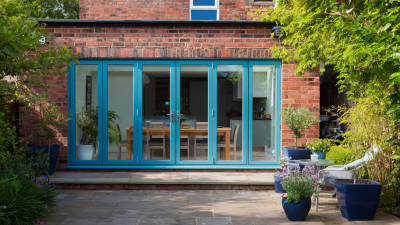
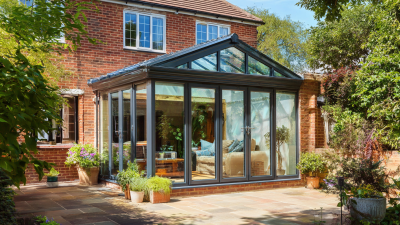
Global buyers are paying closer attention to coloured upvc doors as energy efficiency, durability, and visual identity become purchasing priorities. A charcoal-grey entrance can create a modern façade, while a walnut-effect finish may suit a traditional townhouse. Colour is no longer a minor finishing choice.

The United Nations Environment Programme’s 2023 Global Status Report for Buildings and Construction states that buildings consume approximately 30% of global energy and produce around 26% of energy-related emissions. This wider pressure makes door performance increasingly important. Buyers should examine thermal transmittance, weather resistance, frame reinforcement, glazing specifications, and verified test results. Appearance matters, but it cannot replace technical evidence.

Performance comes first.

The European Commission’s revised Energy Performance of Buildings Directive also strengthens the long-term focus on building efficiency across Europe. However, regulations and product expectations vary between markets. A door suitable for a mild coastal climate may not perform equally well in a cold continental region. UV exposure can also affect darker foils, especially on sun-facing elevations.

This guide compares leading coloured upvc doors through practical buying criteria, including colour stability, security hardware, maintenance needs, recyclability, and installation quality. Industry certifications, manufacturer documentation, and independent testing deserve greater weight than attractive catalogue photography. Some buyers may overvalue colour trends. That assumption deserves testing.

The strongest options combine dependable construction with adaptable design. They should look convincing at close range, seal tightly during heavy rain, and remain stable through seasonal temperature changes. Global buyers need more than a fashionable finish; they need evidence that the selected door fits the building, climate, and compliance requirements.
What Are the Top Coloured uPVC Doors for Global Buyers?

What Makes Coloured uPVC Doors Suitable for Global Buyers?

Coloured uPVC doors suit global buyers because they combine visual flexibility with practical everyday performance. A soft grey door can complement a modern apartment, while deep green may suit a rural home. Colour matters. Unlike painted timber, uPVC surfaces usually require little routine care. A damp cloth often removes dust, pollen, and light coastal residue.

Their suitability also depends on climate and construction quality. In sunny regions, buyers should request evidence of colour stability and resistance to ultraviolet exposure. In colder areas, insulated frames, sealed joints, and suitable glazing can help reduce drafts.

Coastal projects need hardware that tolerates salty air. These details are easy to overlook during product selection. They should not be.

From my experience reviewing door specifications, reliable suppliers provide clear information about profile thickness, glazing options, drainage design, locking systems, and installation tolerances. Buyers should compare test reports rather than trust attractive photographs alone. A darker finish can absorb more heat, especially on a south-facing elevation. That is not automatically a defect, but it deserves assessment. No product is perfect. Poor installation can still cause water entry, uneven closing, or premature hardware wear. Global buyers should confirm local size requirements, opening direction, maintenance guidance, and after-sales support before placing an international order. Sample corners and colour swatches are useful, because screens rarely show the exact finish.

Which Coloured uPVC Door Styles and Finishes Are Most Popular?

Global buyers often choose coloured uPVC doors that balance appearance, weather resistance, and easy maintenance.

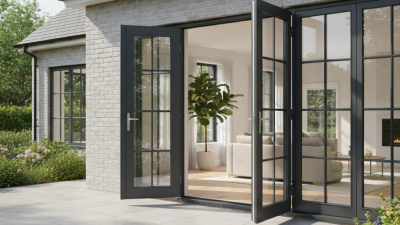
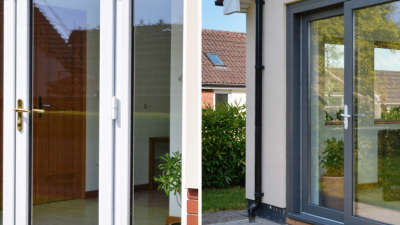
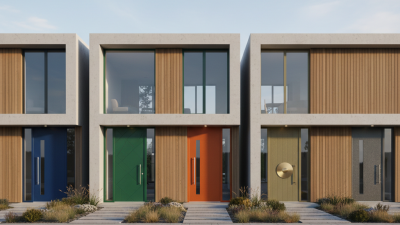
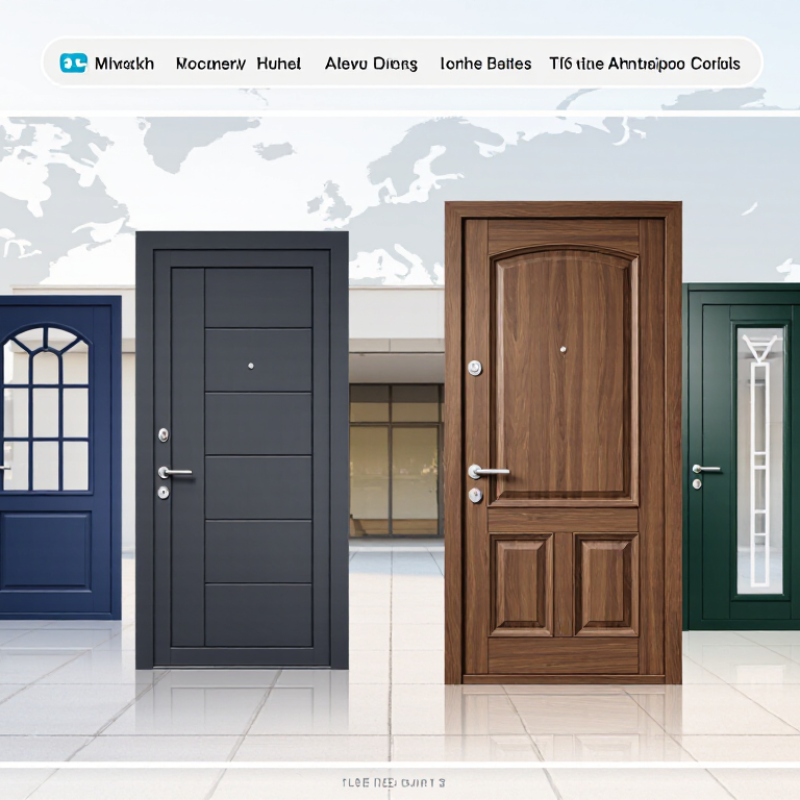
Anthracite grey remains popular for modern homes, while black creates a sharper architectural look. White still suits coastal properties and traditional façades. Soft green, navy, and cream are gaining attention in renovation projects.

Flush doors provide clean lines and suit contemporary buildings.

Panelled doors offer familiar character, especially on older homes. Glazed designs bring daylight into entrance halls, but privacy glass may be more practical for street-facing entrances. French and sliding styles work well where wider openings connect interiors with gardens or balconies. Stable-door designs add charm, although their divided opening needs careful sealing.

Finish affects the real buying experience.

Smooth matt surfaces hide small marks better than glossy finishes. Woodgrain textures create warmth and feel less synthetic from a short distance. Dual-colour doors are useful when the exterior needs a darker shade, while the interior remains white or cream. Check the sample outdoors, not only under showroom lights. Dark colours can absorb heat, and local exposure may change their long-term appearance. I have seen attractive finishes disappoint when drainage, hinges, or glazing quality received less attention. Colour matters, but accurate fitting matters more.

How Do Coloured uPVC Doors Perform in Different Climates?

Coloured uPVC doors perform differently as climate changes. In hot, sunny regions, pale grey, cream, and white surfaces usually absorb less heat than charcoal or black. Dark panels can expand more, especially behind glass or under sheltered balconies. That movement may affect seals, locks, and alignment.

UV-resistant colour layers matter greatly. A reliable door should use stable pigments and a weather-resistant outer finish. In coastal areas, salt-laden air can attack hinges, handles, and fixings, even when the uPVC frame resists corrosion. Stainless steel hardware and regular freshwater cleaning help. Small details matter.

Cold climates create different stresses. Strong seals, insulated cores, and accurate installation reduce draughts and condensation around the threshold. In wet regions, drainage channels must remain clear of leaves and grit. Humidity alone may not damage uPVC, but poor ventilation can encourage mould around nearby walls. This is often blamed on the door unfairly.

There is no perfect colour.

Field inspections often reveal installation errors before material failure. An uneven opening can make a premium door perform poorly. Local wind exposure, seasonal temperature changes, and daily sunlight should guide the specification. Dark colours can still work in warm climates, but they need suitable reinforcement, expansion allowances, and careful fitting. Colour samples should also be viewed outdoors, because indoor lighting hides heat and fading differences. Manufacturer test data is useful, yet local installer experience deserves equal attention.

What Are the Top Coloured uPVC Doors for Global Buyers?

How Do Coloured uPVC Doors Perform in Different Climates?

Coloured uPVC doors generally provide strong moisture resistance and good thermal performance across global climate zones. Light and medium colours typically offer better solar heat control, while darker finishes may require enhanced UV-stable pigments, protective foils, and correct installation in hot or high-sun environments.

Rating scale: 1 = lower suitability, 5 = higher suitability. The scores are indicative engineering ratings based on the typical behaviour of quality coloured uPVC profiles under humid, cold, hot, and high-UV conditions. Actual performance depends on profile design, glazing, colour system, ventilation, installation quality, and local exposure.

What Should Buyers Compare Before Choosing a Coloured uPVC Door?

When comparing coloured uPVC doors, start with the colour sample, not the brochure photograph. Printed images can mislead. View a full-size sample outdoors, morning and afternoon. Dark grey may absorb more heat than expected. I have seen a carefully chosen shade look different beside pale brickwork. This small test prevents an expensive visual mistake. Ask how the colour is produced: through-colour, laminated finish, or a coated surface. Each option can age differently under strong sunlight.

Then compare the door’s structure. Check the frame depth, gasket quality, threshold design, and glazing specification. A strong multi-chamber profile can improve insulation, but installation still matters. Request thermal figures tested for the complete door, not only the frame. Compare double and triple glazing by U-value, spacer type, and visible light. Security hardware should be tested and clearly documented. Do not accept vague claims. Reliable suppliers provide technical sheets, maintenance guidance, and a written warranty covering colour stability, hardware, and installation.

Climate should influence the choice. Coastal air, heavy rain, frost, and intense UV exposure place different demands on seals and finishes. Ask for evidence from similar projects in your region. Check whether replacement parts remain available after several years. That detail is often ignored. Also inspect the installer’s measuring process; a beautiful door can perform poorly when the opening is inaccurate. Get the final colour, glass, handle, threshold, delivery time, and after-sales responsibilities in writing. I would also keep a physical sample with the quotation. Memory is unreliable, especially after several weeks of comparing nearly identical colours.

How Are Coloured uPVC Doors Manufactured, Installed, and Maintained?

Coloured uPVC doors begin with carefully measured profiles, reinforcement, and weather-resistant surface layers. Manufacturers extrude the uPVC into rigid sections, then cool and cut them accurately. A coloured foil or acrylic layer is bonded under controlled heat and pressure. Some designs use colour throughout the profile instead. This can reduce visible scratches. Quality teams check colour consistency, weld strength, drainage paths, and hardware alignment. Small differences still occur between production batches, so buyers should request samples before ordering.

Installation needs more than placing the frame into the opening. Fitters check the wall condition, measure diagonals, and use packers beneath load-bearing points. The frame must remain square while fixings are tightened. Excessive pressure can distort the profile and affect the lock. Weather seals should touch evenly, without folds or gaps. External gaps require a suitable sealant, while drainage openings must stay clear. Not every installation goes smoothly. An uneven opening can demand careful adjustment rather than more sealant.

Maintenance is simple but not optional. Clean coloured surfaces with mild soapy water and a soft cloth. Avoid abrasive pads, strong solvents, and dark metal tools against the finish. Lubricate hinges and locking points periodically with the recommended product. Check seals after severe weather. Replace damaged gaskets early. A faded patch may indicate heat exposure, poor cleaning, or surface wear. It is tempting to assume colour hides neglect, but it often makes streaks and scratches more noticeable. Record adjustments and inspections for dependable long-term performance.

What Are the Top Coloured uPVC Doors for Global Buyers? - How Are Coloured uPVC Doors Manufactured, Installed, and Maintained?

Category Recommended Option or Stage Key Facts for Global Buyers Manufacturing, Installation, or Maintenance Notes
Popular Colour White A widely selected neutral finish that suits contemporary and traditional façades. Usually produced with a white uPVC profile or a white base profile with a decorative foil, depending on the specification.
Popular Colour Anthracite Grey A dark grey architectural finish commonly used for modern residential and commercial projects. Dark colours can absorb more solar heat, so buyers should confirm profile reinforcement, colour technology, and local exposure limits.
Popular Colour Black Creates a strong contrast with brick, stone, render, and light-coloured façades. Specify a UV-resistant exterior finish and allow suitable expansion clearances during installation.
Popular Colour Woodgrain Oak Provides a timber-inspired appearance while retaining the low-maintenance characteristics of uPVC. A decorative foil is commonly bonded to the profile. Avoid abrasive cleaners that may damage the textured surface.
Popular Colour Rosewood A darker wood-effect finish suitable for heritage-style and classic architectural designs. The foil direction and corner finishing should be checked before production to achieve a consistent appearance.
Colour Selection Single-Sided Colour The exterior and interior can have different finishes, which is useful when matching the façade and indoor décor separately. Confirm which face is coloured, how the edges are finished, and whether the frame and door leaf use matching surfaces.
Colour Selection Dual-Sided Colour Offers a uniform appearance from both sides and is suitable for highly visible entrances. Colour expansion, thermal movement, and local climate conditions should be considered when sizing the door and frame.
Profile Manufacturing uPVC Extrusion uPVC compound is heated and formed through a die to create the required frame and sash profile. The profile is cooled, cut to length, and prepared for reinforcement, drainage, hardware, and corner welding.
Colour Manufacturing Co-Extrusion or Decorative Foiling Colour may be integrated into the profile surface during extrusion or applied as a bonded decorative film. The selected finish should be tested for adhesion, colour stability, weather resistance, and compatibility with welding and machining.
Frame Assembly Reinforcement and Corner Welding Steel reinforcement may be fitted inside the profile to improve rigidity, particularly for larger doors. Accurate cutting, welding, cleaning, and drainage preparation are essential for frame strength and water management.
Glazing Double or Triple Glazing Insulated glazing can improve thermal performance and reduce external noise compared with single glazing. Glass thickness, safety classification, spacer type, and local building requirements should be confirmed before manufacture.
Hardware Multi-Point Locking System Multiple locking points can improve compression, security, and resistance to air and water leakage. Hardware should be compatible with the door profile, cylinder format, handing, and security requirements of the destination market.
Installation Opening Preparation and Frame Positioning A structurally sound, square, and adequately supported opening is required for reliable operation. The installer should check dimensions, plumb, level, diagonal measurements, fixing points, and sill support before sealing.
Installation Sealing and Weatherproofing Correct perimeter sealing helps limit water penetration and uncontrolled air leakage. Use compatible sealants and follow local installation practice; do not block designed drainage paths.
Adjustment Hinge, Lock, and Compression Adjustment Proper adjustment ensures smooth movement, even gasket compression, and secure locking. Test the door through a complete opening and closing cycle after installation and readjust if the leaf drops or binds.
Routine Maintenance Cleaning Coloured Surfaces Regular cleaning removes dust, salt, and airborne pollutants that may affect the finish and hardware. Use clean water, a soft cloth, and a mild non-abrasive detergent. Avoid solvents, scouring pads, and harsh alkaline cleaners.
Routine Maintenance Drainage Channel Inspection Clear drainage paths help the frame discharge incidental water safely. Inspect and gently clear drainage slots without enlarging them or inserting objects that could damage the profile.
Routine Maintenance Gaskets and Seals Sound gaskets support weather resistance, draught control, and acoustic performance. Clean seals periodically and replace cracked, hardened, or displaced gaskets with compatible sections.
Routine Maintenance Locks, Hinges, and Moving Parts Periodic inspection helps prevent stiffness, misalignment, and premature hardware wear. Use a suitable light lubricant where permitted by the hardware instructions and tighten accessible fixings carefully.
Buyer Checklist Climate and Compliance Review Performance requirements vary with solar exposure, wind, rainfall, coastal conditions, security expectations, and local regulations. Request technical specifications for thermal performance, air permeability, water tightness, wind resistance, security, colour durability, and installation tolerances.