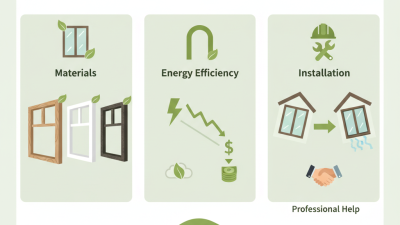



Choosing safe windows and doors is not simply a matter of selecting thick glass or heavy frames. Global buyers face different climate risks, building practices, certification systems, and security expectations. A product suitable for a quiet European suburb may fail under tropical storms, coastal corrosion, or intense desert heat. The right decision begins with evidence, not appearance.
Jim Benney, former executive director of the National Fenestration Rating Council, stated, “The NFRC label provides consumers with a reliable way to compare the energy performance of windows, doors, and skylights.” His point remains useful, although energy ratings alone cannot define safe windows and doors. Buyers should also examine impact resistance, laminated glazing, locking hardware, frame strength, drainage design, fire performance, and emergency escape requirements. Installation matters just as much. A certified door can become unsafe when anchors are poorly spaced or gaps are left around the frame.
Look closely.
This guide introduces practical questions for international purchasing teams, architects, contractors, and homeowners. It considers product testing, supplier transparency, maintenance conditions, and installation quality. It also separates genuine protection from attractive marketing claims. Some recommendations may appear obvious, yet real projects often overlook them. That is an uncomfortable weakness worth admitting. No window or door is universally safe. Performance depends on design, location, use, and upkeep. Careful comparison creates a stronger result than choosing the cheapest quotation or the most impressive brochure.
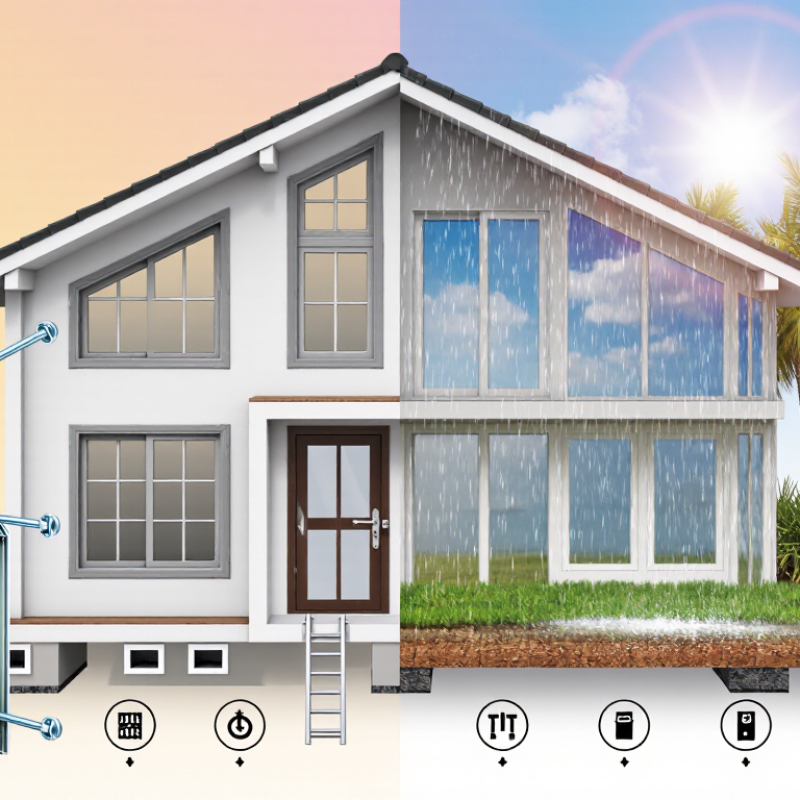
What Defines a Safe Window or Door for Global Buyers?
A safe window or door begins with verified performance, not attractive photographs. In my experience, buyers should examine impact resistance, frame strength, locking points, and glass construction. Laminated glass can remain attached after cracking, reducing dangerous shards. Multi-point locks may improve resistance against forced entry. However, hardware quality matters as much as the number of locks.
Weather protection is equally important. A reliable product should manage wind pressure, heavy rain, sunlight, and temperature changes. Ask for tested air leakage, water penetration, and structural performance data. Testing conditions must match the project’s climate and building design. A coastal opening needs different protection from one installed in a dry inland area. Installation also defines safety. Poorly anchored frames can fail, even when the product itself passed testing.
Tips: Request complete test reports, material specifications, warranty terms, and installation instructions. Check whether local professionals can install and service the product. Confirm the glass type and emergency-release features before ordering. Do not rely only on certificates. Some documents may be outdated, incomplete, or difficult to verify. A small measurement error can create water leaks or unsafe movement. Buyers should also review drainage paths, threshold height, and corner sealing. I have seen projects focus heavily on locks while overlooking installation quality. That is an easy mistake.
For global buyers, security windows and doors should resist practical threats, not merely look heavy. The FBI Crime Data Explorer recorded 847,522 burglary offenses in the United States in 2022, a 7.4 percent decrease from 2021. The risk remains meaningful. Entry points deserve careful testing.
Forced-entry resistance begins with the complete system. Laminated security glass can hold together after impact, while reinforced frames reduce prying and spreading. Multi-point locks distribute pressure along the door edge. Hinges, keeps, and wall anchors matter too. Small gaps matter. A strong panel can still fail inside a weak frame.
Buyers should request independent test reports, not vague claims such as “maximum protection.” EN 1627 classifies doors, windows, and shutters by resistance against defined attack methods and tools. EN 356 separately rates security glazing, from basic impact resistance to higher penetration resistance. ASTM F588 and related standards provide additional North American testing references. These ratings are useful, but installation can change the result. A certified product installed with unsuitable anchors is not a certified opening in practice. That point is often overlooked.
Inspectors should check frame alignment, lock engagement, glass markings, drainage, and the substrate around each opening. Weather seals also support security by limiting movement and moisture damage. No assembly is perfect. Buyers should compare test scope, hardware configuration, local conditions, and installer competence before choosing a specification.
How Security Windows and Doors Resist Common Threats
The chart shows the laboratory attack-resistance time associated with EN 1627 resistance classes RC2–RC6. Higher classes are tested against more demanding tools and attack methods, including forced entry with hand tools, heavy tools, and power tools. These values describe standardized test conditions and should not be interpreted as a guarantee of real-world protection.
Reference: EN 1627 resistance-class testing; attack-resistance working times are 3, 5, 10, 15, and 20 minutes for RC2–RC6 respectively.
When comparing windows and doors for international projects, start with the material, not the appearance. In my experience, aluminum offers slim frames and good dimensional stability, but it may transfer heat without a thermal break. uPVC usually provides strong insulation and low maintenance. Timber feels warm and authentic, yet it needs careful sealing in humid or coastal conditions. Composite frames can balance these qualities, although their repair methods may be less familiar locally.
Glass deserves equal attention. Double glazing may suit moderate climates, while triple glazing can improve comfort in colder regions. Laminated glass helps hold fragments together after impact. Tempered glass offers greater resistance to thermal shock, but it breaks differently. Ask for documented performance values, including thermal transmittance, air leakage, water resistance, and wind-load testing. Certificates should come from recognized, independent laboratories.
Security features need practical comparison. Look for reinforced frames, multipoint locking, strong hinges, and hardware that resists corrosion. A secure door should also open safely from inside during an emergency. For larger openings, check the track, rollers, and threshold design. Poor drainage can cause trouble after heavy rain. Fire-rated products require special evidence, and ratings vary by local building rules. I once underestimated installation quality; even an excellent window can leak when the opening is measured poorly. Leave room for thermal movement. Small details matter.
| Frame Material | Typical Thermal Performance | Weather and Corrosion Resistance | Fire and Heat Considerations | Recommended Safety Glazing | Security Features to Compare | Best-Suited Applications | Buyer Assessment |
|---|---|---|---|---|---|---|---|
| uPVC Multi-chamber hollow profiles | Low thermal conductivity and generally good insulation. Typical whole-window U-values may be approximately 1.2–2.0 W/m²·K, depending on glazing, spacers and design. | Does not rust and usually requires low maintenance. Performance depends on UV stabilizers, profile quality, drainage and reinforcement. | It is combustible and can soften under high heat. Check the complete tested assembly where fire or smoke control is required. | Tempered safety glass for impact-prone areas; laminated glass where fall protection, intrusion delay or post-breakage retention is required. | Reinforced profiles, multi-point locks, security handles, hinge protection and mechanically fixed hardware. | Residential windows and doors in moderate climates, coastal areas and projects prioritizing insulation and cost control. | Good insulation; verify reinforcement and UV durability. |
| Thermally Broken Aluminum Aluminum frame with insulating thermal barrier | Strong structural performance with improved insulation compared with non-thermally broken aluminum. Typical whole-window U-values may be approximately 1.3–2.5 W/m²·K, depending on system and glazing. | Durable and dimensionally stable. Powder coating or anodizing should be suitable for the intended exposure, especially marine environments. | Non-combustible frame material, but the complete window or door assembly still requires project-specific fire testing where applicable. | Laminated or tempered safety glass according to location and impact risk; insulated glazing can improve thermal and acoustic performance. | Multi-point locking, reinforced lock areas, concealed or security hinges, anti-lift devices and tested impact resistance. | High-rise buildings, large openings, commercial projects, hot climates and locations requiring slim, rigid frames. | High structural strength; confirm thermal-break continuity and coating specification. |
| Engineered or Solid Wood Protected timber frame | Naturally low thermal conductivity. Performance varies with timber species, frame depth, seals and glazing; complete-window U-values commonly range around 1.0–2.0 W/m²·K. | Good performance when properly sealed and maintained. Moisture management, paint or stain systems, flashing and drainage are essential. | Combustible, but larger timber sections can form a protective char layer. Fire performance must be based on tested construction, not material alone. | Laminated glass is useful for retention and security; tempered glass is suitable where thermal shock and impact safety are priorities. | Strong multi-point locks, durable hinges, robust strike plates and secure hardware fixed into structural timber. | Residential buildings, heritage-style projects, cold climates and buyers seeking a natural appearance. | Very good insulation; requires disciplined moisture and surface maintenance. |
| Fiberglass or Composite Glass-fiber reinforced or hybrid frame | Low thermal expansion and good insulation. Typical whole-window U-values may be approximately 1.0–1.8 W/m²·K, depending on profile and glazing. | Resistant to moisture, corrosion and dimensional movement. Confirm compatibility with local UV exposure and cleaning chemicals. | Fire behavior depends on resin, core and surface materials. Require documentation for the complete assembly where fire regulations apply. | Laminated glazing for security and fall-risk areas; tempered glazing for doors, low-level panes and impact-prone locations. | Multi-point locks, reinforced hardware zones, anti-lift protection and independently tested forced-entry performance. | Energy-efficient homes, areas with temperature swings and projects needing stable frames with limited maintenance. | Strong thermal stability; verify test reports and repairability. |
| Steel Insulated or thermally separated steel system | Excellent strength but high conductivity in uninsulated sections. Thermal breaks and insulated cores are important for energy performance. | Requires reliable corrosion protection, such as galvanizing, compatible coatings, sealed joints and appropriate drainage. | Non-combustible and often selected for fire-rated applications, but the required fire rating must be confirmed through an approved test or classification. | Fire-rated laminated or wired glazing may be required for rated assemblies; safety glass selection must match the tested system. | Heavy-duty locks, reinforced hinges, anti-pry construction, security bolts and certified forced-entry resistance. | Security doors, industrial buildings, public facilities and projects requiring high rigidity or fire-rated construction. | Very high strength; carefully check thermal bridging and corrosion protection. |
| Important comparison note: U-values are lower when insulation is better. Values shown are indicative ranges for complete windows and can vary substantially with frame geometry, glazing, spacer bars, dimensions, installation and regional test methods. Buyers should request product-specific test reports, air and water tightness results, wind-load capacity, safety-glazing compliance, forced-entry classification and fire documentation where applicable. | |||||||
International buyers should verify performance, not rely on attractive photos or broad safety claims. Request product test reports from an independent, accredited laboratory. Check the exact model, dimensions, glass type, hardware, and test date. A report for one window may not cover another configuration.
Compare standards carefully. EN 14351-1, ASTM E283, ASTM E330, and ASTM E331 address different performance areas. They may cover air leakage, structural pressure, or water resistance. A certification mark alone does not prove complete product quality.
Ask whether the testing laboratory is recognized in the destination market. Confirm the report number through official records when possible. This step takes time, but it can expose altered or incomplete documents.
Tips: Order a sample before bulk production. Inspect frame joints, drainage holes, seals, and locking points. Use a moisture meter after simulated rain. Ask for material specifications and batch records. Confirm packaging, installation tolerances, and replacement-part support in writing. A small detail matters: the delivered product must match the tested design. Some buyers, including experienced ones, trust paperwork too quickly. That is a useful warning. Quality can change between samples and shipment batches, so retain inspection photos and approve a pre-shipment checklist.
Safe windows and doors depend on more than strong glass or heavy frames. Installation quality often decides real performance. A certified installer should check the opening, wall condition, drainage, and fixing points before work begins. Small gaps can admit water, dust, or cold air. Incorrect anchors may weaken the frame during severe weather.
Ask for installation records and product test documents. Requirements differ between countries and climates. Coastal homes need corrosion-resistant hardware, while cold regions need reliable seals and thermal breaks. Maintenance also affects safety. Clean tracks regularly, inspect hinges, and test locks without forcing them. Replace cracked seals promptly. A loose handle is not a minor detail.
Tips: Keep photos of the installation, invoices, and repair history. Read the warranty before purchase. Check whether it covers glass breakage, hardware, finishes, labor, and water leakage. Some warranties exclude poor maintenance, unauthorized repairs, or installation by unapproved contractors. Confirm the claim process and response time in writing.
A perfect checklist does not exist. Even experienced buyers can overlook drainage or local fitting practices. An independent inspection may reveal problems before they become expensive. Safe performance should be verified, not assumed.