How to Choose Bespoke UPVC French Doors for Your Home
Choosing bespoke upvc french doors can transform a dim room into a brighter, more welcoming space. However, attractive styling should never replace careful performance checks. These doors must suit your home’s proportions, insulation needs, security expectations, and daily routines. A narrow terrace may need slim sightlines, while a period property might require carefully matched glazing bars and a traditional colour.
Begin with the opening itself. Measure the brickwork, reveal depth, threshold height, and available clearance. Small errors can create draughts, sticking panels, or uneven drainage. An experienced installer should confirm these details before manufacturing begins. Ask about the UPVC profile, reinforced frames, multi-point locks, weather seals, glazing specification, and expected maintenance. Reliable suppliers should explain their certifications and provide clear installation and warranty documents.
Think about how the doors will feel in real use. Will furniture block one leaf? Will morning sunlight make the room uncomfortably warm? Low-emissivity glass may improve insulation, but it is not a complete answer for every elevation. External shading could matter more. Nobody can promise perfect performance in every house. That deserves honest discussion.
Colour, hardware, opening direction, and threshold design complete the decision. A flush threshold may improve accessibility, yet local drainage conditions must be checked. Compare written quotations carefully, including removal, making good, finishing, and aftercare. The cheapest option may become expensive after installation problems appear. With measured planning and professional guidance, bespoke upvc french doors can deliver lasting comfort, character, and dependable everyday access.
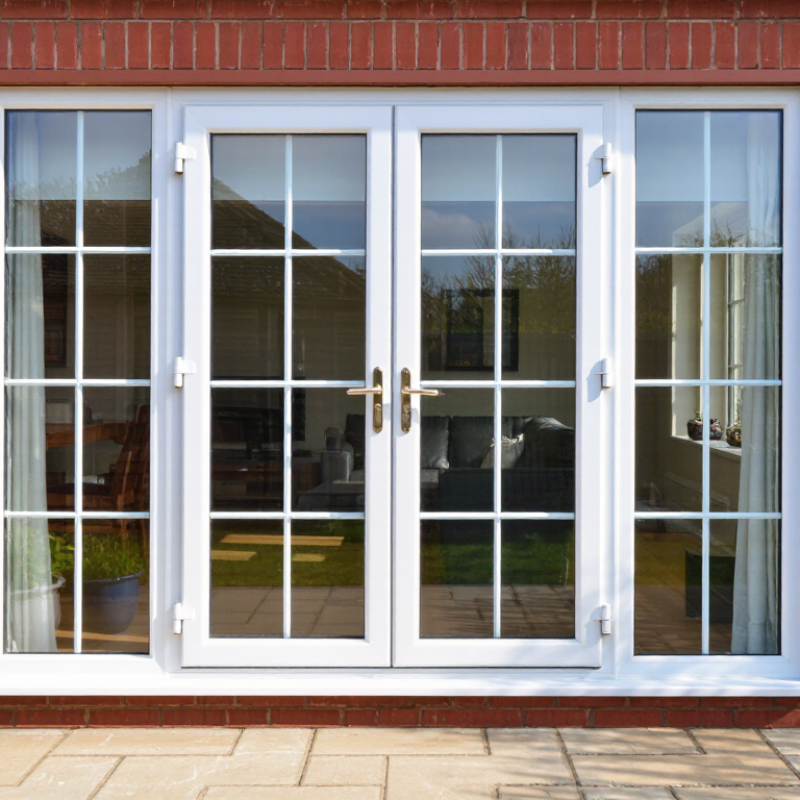
Understanding Bespoke UPVC French Door Features and Benefits
How to Choose Bespoke UPVC French Doors for Your Home
Bespoke UPVC French doors should begin with measured evidence, not colour samples. Record the opening width at three points, then check the wall’s level and drainage. A common on-site lesson is simple: the threshold often causes trouble, not the glass. Choose a low-threshold design only when water management remains suitable for your entrance.
Thermal performance deserves careful attention. The UK Government’s Standard Assessment Procedure, SAP 10.2, lists about 1.6 W/m²K as a typical U-value for modern double glazing, compared with approximately 4.8 W/m²K for single glazing. Ask for the complete door-set U-value, not only the centre-pane figure. Multi-chamber UPVC profiles, tight gaskets, and correctly sealed frames can reduce draughts. The English Housing Survey 2022–23 reported that 86% of English homes had full double glazing, so replacement doors should not quietly become the weakest opening.
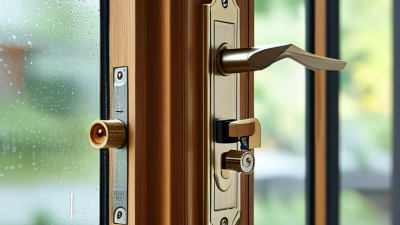
Security features also need practical checking. Specify multipoint locking, robust hinges, laminated safety glass where appropriate, and performance evidence against PAS 24. Smooth opening matters too. Heavy sashes can become awkward after installation, especially on wide openings. Details matter.
Tips: Measure twice. Ask for written U-values and installation tolerances. Confirm the threshold height before ordering. Review drainage paths after fitting. A perfect specification can still fail through poor installation, so check the installer’s qualifications, insurance, and recent project evidence.
Assessing Your Home’s Space, Style, and Installation Requirements
Choosing bespoke UPVC French doors starts with your home’s actual space, not a showroom image. Measure the opening width, height, wall depth, and finished floor level. Check where each door leaf will swing. Furniture, radiators, and narrow paths can quickly create conflicts. Allow space for handles and safe movement. A small mistake here becomes expensive later.
Style should support the building’s proportions. Slim sightlines may suit a modern extension, while balanced glazing bars can complement older architecture. Your room’s orientation also matters. The U.S. Department of Energy estimates that windows can account for 25–30% of household heating and cooling energy use. Select low-emissivity glazing, suitable solar-control values, and insulated frames for the local climate. The National Fenestration Rating Council recommends comparing U-factor and solar heat gain coefficient ratings. French doors are not automatically energy efficient.
Installation conditions deserve equal attention. Inspect the lintel, sill, damp-proof details, and drainage path before ordering. A low threshold may improve access, but it must still resist water ingress and meet local regulations. Ask for an independent site survey and written measurements. A common weakness is trusting a quick tape measure. It is not enough. Energy Saving Trust research indicates that roughly 10–20% of household heat may escape through windows, so poor fitting can undermine good glazing. I would also allow for imperfect walls, because real openings are rarely square. Rustic charm can become installation trouble.
Choosing UPVC Profiles, Glass Options, Colours, and Hardware
Choosing bespoke UPVC French doors starts with the profile. Select a multi-chamber frame for better thermal stability and strength. Reinforced sections help large doors resist twisting over time. Ask for documented U-values, drainage details, and tested security performance. I prefer profiles with clean welds and smooth gaskets. They often indicate careful fabrication. Still, appearance can mislead. A thicker frame is not automatically better. Check the complete specification, not only the showroom sample.
Glass affects comfort, privacy, and energy use. Low-emissivity double glazing suits many homes and helps reduce heat loss. Laminated glass can improve safety and reduce outside noise. Solar-control glass may help rooms facing strong afternoon sunlight. However, it can slightly change the colour of daylight. Request a sample before ordering. Choose colours that suit your brickwork, render, and interior flooring. Dark finishes look elegant but may show dust and scratches more clearly. Hardware should feel firm, not loose. Select handles with a comfortable grip and a finish that matches nearby fixtures. I once underestimated this detail; the door looked right but felt awkward to operate.
Tips: Measure the opening twice. Check furniture clearance before choosing the swing direction. Confirm the threshold height, especially for older residents. Ask how the hinges, seals, and drainage channels will be maintained. Review the installation drawings with an experienced surveyor. Small mistakes become expensive later.
Comparing Energy Efficiency, Security, Durability, and Maintenance
Choosing bespoke UPVC French doors starts with your home’s exposure, not a catalogue photograph. Measure the opening after checking walls, floors, and drainage. A north-facing room may need better glazing performance than a sheltered extension. Ask for the whole-door U-value, not only the glass rating. Low-emissivity glass, warm-edge spacers, and tight seals can reduce cold areas near the frame. However, large glass panels may increase summer heat. External shading deserves attention. Small details matter.
Security depends on the complete door system. Look for multipoint locking, reinforced hinges, strong keeps, and laminated or toughened safety glass where appropriate. Ask for documented test evidence and a written installation specification. The threshold should resist forced lifting and limit draughts without becoming a trip hazard. A trusted installer should explain these choices clearly, rather than promising that one lock solves everything.
UPVC needs little painting, but it is not maintenance-free. Wash the frames with mild soapy water and inspect seals each season. Clear the drainage channels. Lubricate moving parts with a suitable product, avoiding harsh sprays. Durability also depends on accurate fitting. A poorly packed frame can distort, even when the door itself is well made. I would request installation references, warranty terms, and evidence of relevant testing. No door is perfect. My own preference would be practical security and stable alignment over decorative extras that are difficult to replace.
Planning Measurements, Customisation, Costs, and Professional Installation
Choosing bespoke uPVC French doors starts with accurate planning.
Measure the opening at the top, middle, and bottom. Record both diagonals, reveal depth, threshold height, and the preferred opening direction. Small differences can indicate movement in the surrounding wall. Do not measure only the existing frame. A qualified surveyor should confirm the final manufacturing size, drainage route, and floor clearance. The English Housing Survey 2022–23 reports that 86% of English homes had full double glazing. That figure shows its popularity, not automatic quality.
Customisation should support daily use.
Consider low-threshold access, laminated safety glass, internal glazing bars, colour, handles, and a restrictor for busy family spaces. Ask for the complete U-value, not just the glass specification. In England, Approved Document L gives 1.4 W/m²K as the limiting U-value for replacement windows and doors. Check the quotation carefully. It should separate the door set, glass, preparation, removal, waste, making good, and installation. Costs rise with wider openings, structural alterations, unusual colours, and complex thresholds. A 10% allowance may help, but it can still be wrong.
Professional installation matters as much as the product.
The installer should use suitable packers, continuous perimeter sealing, and correctly adjusted hinges. They should also explain ventilation, maintenance, and warranty conditions. Request photographs of concealed drainage and fixing points. That evidence is useful later. I would not accept a rushed survey. One overlooked sill or uneven floor can create draughts, water entry, or difficult locking. Local building-control requirements should be checked before work begins.