China Top UPVC Windows and Doors Manufacturers?
Choosing China’s top uPVC windows and doors manufacturers requires more than comparing factory photos or advertised prices. Buyers should examine production experience, material consistency, testing records, and export performance. This matters because the product must withstand sunlight, rain, wind pressure, temperature changes, and repeated opening cycles.
Industry data supports this careful approach. Grand View Research identifies uPVC windows and doors as a growing segment within the global fenestration market, driven by energy efficiency, low maintenance, and improved sealing systems. Mordor Intelligence also reports continued demand for energy-efficient windows, especially in renovation and new residential construction. China’s National Bureau of Statistics regularly records substantial building activity, creating a large manufacturing base. Yet market size does not automatically prove quality.
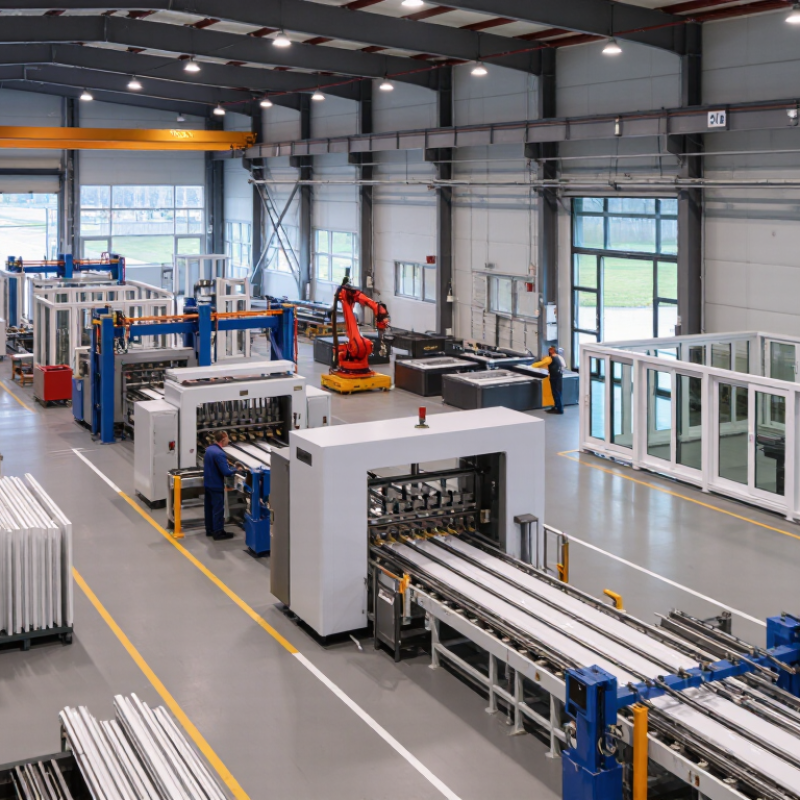
Factory visits often reveal the difference. A reliable manufacturer should show extrusion lines, steel reinforcement processes, welding equipment, insulating-glass assembly, and finished-product inspection areas. Ask for test evidence covering air permeability, water tightness, wind resistance, thermal performance, and hardware durability. Chinese standards, including GB/T 8478 and related building-envelope requirements, provide useful reference points. International projects may also require project-specific standards, certifications, or laboratory reports.
No ranking is completely objective. Product quality can vary between factories, series, and production batches. A company may offer excellent profiles but weaker installation support. Another may provide attractive prices but limited technical documentation. This guide therefore evaluates China’s leading upvc windows & doors manufacturers through verifiable capabilities, product engineering, quality control, customization, communication, and after-sales reliability. The strongest supplier is not always the cheapest one.
What Are UPVC Windows and Doors?
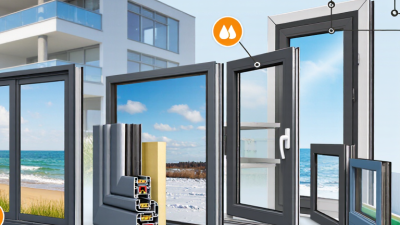
UPVC windows and doors are building components made from unplasticized polyvinyl chloride. The material is rigid, moisture-resistant, and needs little painting. Inside many profiles, galvanized steel reinforcement improves strength and helps maintain shape. The frame holds insulating glass, seals, hinges, locks, and drainage channels.
In practice, performance depends on more than the plastic profile. A well-designed window should close evenly, drain rainwater through clear channels, and keep compression seals continuous. Double glazing can reduce heat transfer and outside noise. Low-emissivity glass may improve insulation, but its value depends on correct spacing and installation. Ask manufacturers for U-values, air-tightness results, water-tightness tests, and wind-load ratings. These details are more useful than a glossy product image.
UPVC doors usually have thicker frames and stronger locking hardware because they face frequent movement. Poor fitting can cause rubbing, air leakage, or water entry within months. Measure the opening carefully. Leave suitable expansion space. Protect the frame during construction. A small weakness matters.
UPVC is not magic. Dark-colored profiles may absorb more heat, and low-quality reinforcement can reduce long-term stability. Coastal or highly exposed buildings require careful hardware and seal selection. I would also inspect drainage holes after installation, because this simple step is often overlooked. A reliable supplier should explain maintenance, warranty limits, replacement parts, and local climate suitability in clear language.
How to Evaluate China’s UPVC Window and Door Manufacturers
How to Evaluate China’s UPVC Window and Door Manufacturers
A reliable evaluation starts with evidence, not polished factory photos. Request the manufacturer’s business license, production address, quality certificates, and recent project references. ISO 9001 certification helps, but it does not prove product performance. Ask for test reports based on GB/T 8478 for PVC-U windows and doors. These reports should show air tightness, water tightness, wind resistance, thermal performance, and sound insulation. Verify the laboratory and report number independently.
Energy performance deserves close attention. The 2023 Global Status Report for Buildings and Construction from UNEP and GlobalABC states that buildings generate about 37% of global energy-related emissions. Therefore, compare the whole-window U-value, not only the glass specification. Check frame thickness, steel reinforcement, gasket material, weld quality, drainage holes, and hardware cycle testing. A credible supplier should explain these details clearly and provide samples for inspection.
Factory experience is visible in small details. Open several sample windows and inspect corners, locks, seals, and drainage paths. Ask how rejected profiles are recorded and corrected. Some factories may present excellent samples while production consistency remains uncertain. I would also request a pilot order before signing a large contract. Independent pre-shipment inspection can confirm dimensions, colors, packaging, and operation. The cheapest quotation often excludes reinforcement, testing, installation support, or replacement terms. That omission can become expensive later.
How to Evaluate China’s uPVC Window and Door Manufacturers
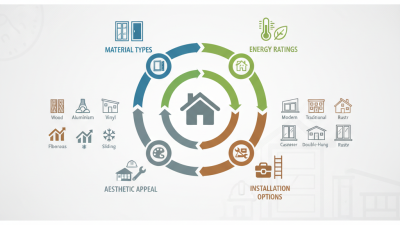
Use this practical evaluation framework when comparing suppliers. The weighting emphasizes measurable product performance, testing evidence, manufacturing quality, and after-sales reliability rather than brand popularity.
Thermal performance should be verified through U-value documentation, while air permeability, watertightness, and wind resistance should be supported by recognized laboratory test reports. Confirm that profile systems, glazing, hardware, production traceability, and warranty terms match the requirements of your project and local building standards.
Leading UPVC Window and Door Manufacturers in China
China has become a major sourcing center for UPVC window and door systems. Leading UPVC window and door manufacturers in China usually combine profile extrusion, steel reinforcement, glazing, and hardware assembly. This integrated process can improve consistency and shorten production schedules. Experienced factories often provide casement, sliding, tilt-and-turn, and lift-slide designs for different climates.
A reliable manufacturer should show more than attractive showroom samples. Check UPVC wall thickness, galvanized steel placement, corner welding, drainage paths, and gasket quality. Ask for test records covering air tightness, water resistance, wind pressure, and thermal performance. Factory visits can reveal details that brochures hide, including dusty assembly areas or poorly protected glass. Export experience also matters because packaging, container loading, and installation guidance affect real project results.
No supplier is perfect. A polished sample may not represent every production batch. Request recent inspection photos, production drawings, and a physical sample before placing a large order. Discuss color stability, replacement hardware, lead times, and warranty responsibilities in writing. Manufacturers with trained technicians can adjust frame dimensions and glazing specifications for coastal, cold, or high-temperature regions. Their advice becomes valuable when architects face unusual openings or strict energy requirements. Still, buyers should verify every claim through independent testing and careful contract terms.
China Top UPVC Windows and Doors Manufacturers? - Leading UPVC Window and Door Manufacturers in China
Representative technical specifications commonly available from qualified UPVC window and door manufacturers in China
Performance values are representative specification ranges rather than a ranking of individual manufacturers. Final results depend on the complete window or door system, glazing composition, dimensions, hardware, installation quality and local testing requirements.
How to Choose the Right Chinese UPVC Manufacturer
How to Choose the Right Chinese UPVC Manufacturer
Choosing a Chinese UPVC manufacturer requires more than comparing prices. Start by checking the factory’s production experience, export markets, and quality control process. Ask for profile specifications, reinforcement details, glazing options, and hardware standards. A reliable supplier should explain these details clearly.
Request recent test reports for air permeability, water tightness, wind resistance, and thermal performance. Confirm whether the reports match the exact window system you will purchase. Factory photos are useful, but they are not proof. A video call or independent inspection can reveal storage conditions, welding quality, and production discipline. Small details matter.
Review samples carefully. Check the corner welds, drainage holes, gasket fitting, surface finish, and locking action. Ask how the manufacturer controls dimensional tolerances during mass production. Clear answers show technical confidence. Vague promises deserve caution.
Communication is another practical test. The supplier should provide accurate drawings, packing details, lead times, and warranty terms. Ask for references from similar projects, not only large showcase developments. A smaller completed project may offer more honest evidence. I would also request a pre-production sample before confirming the full order. It may delay the schedule slightly, but it can prevent expensive mistakes. No supplier is perfect. What matters is whether problems are recorded, discussed, and corrected through a documented process.