


Choosing wooden windows and doors is about more than appearance. The right choice can shape a room’s warmth, daylight, comfort, and connection to the outdoors. A deep timber frame feels different beneath your hand than a thin painted profile. Details matter.
Manufacturers also vary in how they source timber, engineer frames, finish surfaces, and support products after installation. This guide introduces 10 manufacturers from around the world, with attention to craftsmanship, design range, material choices, customization, and practical performance. Where available, buyers should review specifications, warranty terms, and independent testing rather than relying on polished product photographs alone. A beautiful sample is only part of the story.
No single company is best for every home. Climate, architectural style, budget, maintenance expectations, and local installer expertise all affect the result. Even a well-made frame may disappoint if it is poorly fitted or exposed to conditions it was not designed for. That judgment can be difficult. The companies featured here offer different strengths, from traditional joinery to contemporary glazing solutions, but their products should be compared against a project’s actual needs. Use this overview as a starting point, then confirm current details directly with each manufacturer and a qualified local professional.
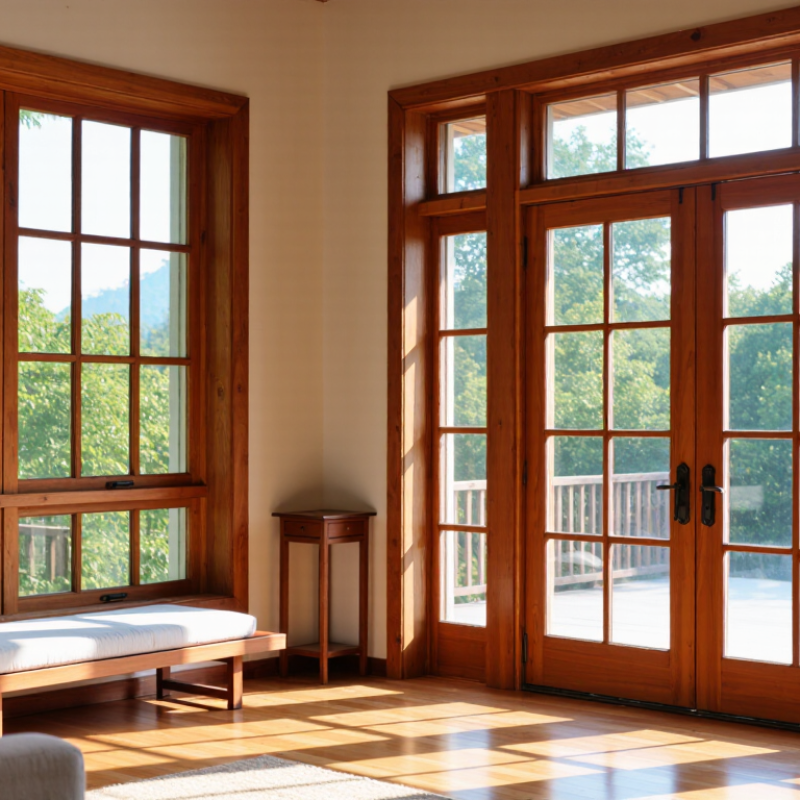
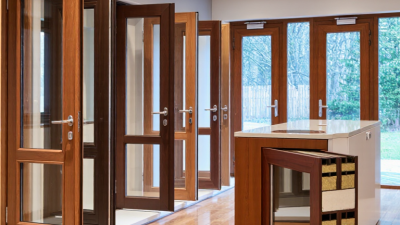
Wooden windows and doors are commonly classified by how they open, how they are built, and where they are used. Window types include casement, sliding sash, tilt-and-turn, and fixed designs. A casement swings on side hinges; a sash moves vertically in its frame. Fixed windows do not open, but can bring daylight into a hallway or stairwell.
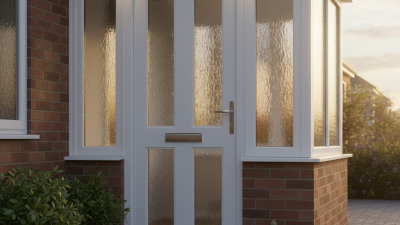
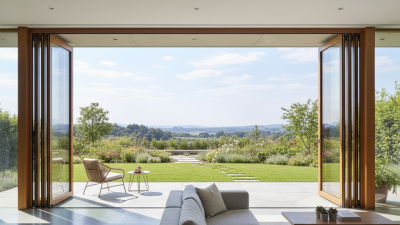
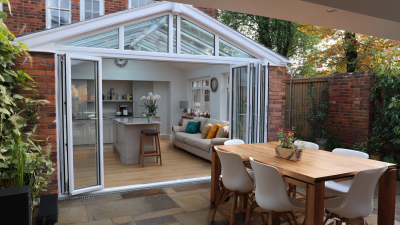
Doors are often grouped as hinged, sliding, folding, or glazed styles. A solid panel door offers more privacy, while a glazed design helps light pass between rooms. Another useful distinction is construction: frames may use solid timber or engineered, laminated wood. Engineered components can help limit movement as humidity changes, though installation and maintenance still matter. Timber species, finish, glazing, and weather exposure also affect performance. These categories overlap, so no single label tells the whole story. I sometimes find product descriptions blur “style” and “construction”—a reminder to check the actual specifications.
Tips: Match the opening style to the room and available space. Check frame dimensions, glazing details, and finish requirements before comparing options. Look closely at corners and seals; small gaps can matter. Also consider local climate, since damp conditions may call for more frequent care.
Comparing wooden window and door manufacturers worldwide requires more than comparing catalogue prices. Check the declared timber species, moisture content, sourcing documentation, and whether component testing covers the finished unit. Ask for test results on thermal transmittance, air leakage, water penetration, and wind resistance—not just glass specifications. A window is a system. Frame joints, seals, hardware, and installation all affect performance.
Energy performance deserves close scrutiny. The 2024 Global Status Report for Buildings and Construction, published by UNEP and the Global Alliance for Buildings and Construction, estimates that buildings and construction account for 32% of global energy use and 34% of energy-related CO₂ emissions. These figures are not a scorecard for any one manufacturer, but they explain why comparable, independently verified performance data matter. Check which test standard and climate conditions support each claim; results from one region may not translate directly to another. Details matter.
Durability is harder to compare than a headline rating. Request maintenance guidance, coating-cycle recommendations, warranty terms, and examples of products after years of exposure. Ask how the manufacturer controls timber drying and dimensional movement, especially around corner joints and glazing rebates. A polished catalogue can still hide gaps in evidence. I would also compare service access and replacement-part availability; these are easy to overlook, and I might give them too little weight when judging a supplier from documents alone.
The ten profiles are anonymized capability profiles, not a ranked list of named firms. They show how leading wooden-window and door makers differ in craft, engineering, and production. The UNEP and GlobalABC 2023 Global Status Report attributes 34% of global energy demand and 37% of energy- and process-related carbon emissions to buildings. That context makes glazing, frame design, and installation quality worth examining.
The differences are practical: corner joints, seals, glazing options, and documented timber sourcing.
Compare published thermal figures, test methods, warranty terms, and service access—not brochure adjectives. Ask how finishes handle standing water and repeated sun exposure. Details matter. Yet a high laboratory rating does not guarantee a well-fitted unit; site preparation can undermine good factory work. These profiles are useful starting points, but project conditions and local climate should shape the final shortlist.
A wooden window or door should suit its climate, building, and daily use. In humid regions, stable construction and carefully sealed end grain help limit moisture-related movement. In colder areas, insulated glazing and tight weather seals can reduce drafts. Wood moves. That detail affects clearances, hardware, and maintenance.
Species, grain, and finish shape both appearance and performance. Oak offers a pronounced grain; softer woods can be easier to machine but may dent more readily. A clear finish shows natural variation, while opaque coatings offer a more uniform color. Design choices matter, too. Narrow frames admit more daylight, but very slim profiles may require careful engineering to retain strength. A sample corner or finish swatch can reveal details that a showroom image misses.
Production standards are not identical worldwide, so buyers should check documented testing for air leakage, water resistance, wind load, and thermal performance. Ask how moisture content is controlled, how joints are assembled, and whether finishes cover vulnerable edges. A well-made product still needs installation suited to the opening and local weather. I would not treat any label as a substitute for checking the test scope; specifications can look reassuring while leaving important conditions unclear.
Choosing a wooden window or door manufacturer starts with the building itself. Note the climate, wall thickness, opening sizes, and exposure to direct rain. A product suited to a sheltered city home may struggle on a windy coastal façade. Share drawings and site conditions before requesting a quote.
Ask how timber is dried, graded, joined, and protected. Moisture content matters: poorly prepared wood can swell, shrink, or twist after installation. Request written specifications for frame depth, glazing, seals, finishes, and hardware. Ask for test reports relevant to air leakage, water resistance, and thermal performance, and check that the tested configuration matches the product being offered. Details matter. A showroom sample can look excellent while hiding weak corner joints, so inspect cutaway sections or completed projects when possible.
Compare lead times, packaging, delivery responsibilities, and support after installation. Clarify who measures the openings and who handles adjustments if a frame arrives out of square. Get maintenance instructions in writing, including how often finishes may need attention. A long warranty is not automatically reassuring; read what it excludes and who responds to a claim. Even careful checks cannot remove every risk, and timber may still move slightly with seasonal changes. That deserves an honest conversation before ordering.
A practical comparison framework for assessing manufacturers. No companies are ranked or named; verify product-specific claims and certifications directly with each supplier.
| No. | Factor | What to assess | Evidence to request | Why it matters |
|---|---|---|---|---|
| 1 | Timber species and sourcing | Ask which species are available, where the timber comes from, and how the selected species suits the project’s climate and exposure. | Species specification, origin information, and applicable FSC or PEFC chain-of-custody documentation if certified sourcing is claimed. | Timber properties and durability vary by species, treatment, design, and maintenance; sourcing documentation helps substantiate sustainability claims. |
| 2 | Moisture control and construction | Review stated timber moisture requirements, joinery, drainage details, and whether components are engineered or solid timber. | Manufacturing specifications, product drawings, and installation guidance for the exact model. | Moisture movement can affect timber dimensions and operation; design and installation details help manage exposure and water drainage. |
| 3 | Thermal performance | Compare the whole-window or whole-door thermal rating for the specified size, glazing, frame, and configuration. | Product-specific test or simulation reports and the applicable rating label, such as NFRC data where relevant. | Performance depends on the complete assembly, not only the glass; figures for a different configuration may not apply. |
| 4 | Air, water, and structural performance | Check test results and performance classifications for the intended building height, weather exposure, and local requirements. | Reports for the relevant product series and configuration; ask which recognized test method and standard were used. | Ratings are product- and test-configuration-specific; a general brochure claim may not establish suitability for a particular project. |
| 5 | Glazing and safety options | Confirm compatible glazing choices, including insulating units and safety glazing where required by location or building use. | Glass build-up, safety-glazing documentation where applicable, and written confirmation of compatibility with the frame system. | Glass selection affects thermal, acoustic, security, and safety performance; local codes determine where particular glass types are required. |
| 6 | Finish and maintenance | Ask whether products are supplied unfinished, primed, or factory-finished, and what inspection and maintenance schedule is recommended. | Written finish specification, care instructions, and finish warranty terms, including exclusions and maintenance conditions. | Finish life depends on exposure, coating system, installation, and upkeep; stated warranty coverage should be read in full. |
| 7 | Standards and market compliance | Confirm the product documentation aligns with the destination market and the project’s applicable building regulations. | For applicable European markets, ask about EN 14351-1 documentation and CE marking requirements; confirm local rules independently. | Requirements differ by jurisdiction and product type; a certificate or marking for one market does not automatically satisfy another. |
| 8 | Customization and technical support | Assess available sizes, opening styles, profiles, hardware, finishes, and the manufacturer’s ability to review project drawings. | Shop drawings, approved samples, tolerance information, and a named technical contact for the project. | Clear coordination reduces the risk of dimensional conflicts, unsuitable configurations, and delays during installation. |
| 9 | Warranty and after-sales service | Compare coverage periods and conditions for frames, glazing, hardware, and finishes, along with repair and replacement procedures. | Full written warranty, exclusions, claim process, and confirmation of service availability in the project’s location. | Warranty terms can vary by component and may depend on correct installation and maintenance. |
| 10 | Delivery, packaging, and installation guidance | Check lead-time estimates, export packaging, delivery responsibilities, and instructions for storage, handling, and installation. | Written delivery schedule, packaging details, installation manual, and clarity on who handles shipping, customs, and site coordination. | Transport and site conditions can affect product condition and project timing; responsibilities should be agreed before ordering. |