


China Top Wooden Windows and Doors Manufacturers?

Choosing a reliable supplier for wooden windows and doors takes more than comparing catalog photos. China has manufacturers serving residential, commercial, and export projects, with different materials, production strengths, and service levels. A polished showroom is useful, but it cannot confirm how a frame performs after years of sun, rain, and daily use. Details matter. Buyers should examine timber species, joinery, coating systems, glass options, hardware, and the factory’s quality-control process. Clear specifications make comparisons fairer and help prevent costly misunderstandings.

This guide explores manufacturers and the practical questions that can separate a good fit from a risky choice. It considers product range, customization, production capacity, communication, and evidence of relevant testing or certifications. These details should be checked directly with each supplier, since product claims and capabilities can change. Ask for current technical documents, project references, finish samples, and drawings before placing an order. A sample corner can reveal more than a brochure: inspect its joints, coating, and fit. No shortlist is perfect. Pricing, lead times, and shipping arrangements also depend on project requirements and destination. Use the comparisons as a starting point, then verify the details that matter for your building, climate, and budget. That takes work, but it can reduce surprises later.
China Top Wooden Windows and Doors Manufacturers?

Overview of China’s Wooden Window and Door Industry

China’s wooden window and door industry brings together timber processors, component suppliers, and specialized fabricators. Production capabilities vary widely, from standard designs to made-to-measure units for residential and commercial projects. Many factories can adapt frame profiles, glazing layouts, finishes, and hardware to project specifications.

Material preparation matters. Kiln-dried timber, controlled moisture content, and well-fitted joints help reduce warping and gaps as conditions change. Some producers also use engineered wood components to improve dimensional stability. Yet a polished finish alone does not prove durable construction. Details matter. Buyers can ask about timber species, drying procedures, coating systems, and inspection steps, then review product samples and technical documents.

Demand is shaped by renovation activity, architectural preferences, and interest in better thermal performance. Manufacturers may offer double glazing, weather seals, and finishes suited to different climates, but results depend on the full assembly and installation. A sample can look sound. That is not enough. Comparing specifications, workmanship, packaging, and after-sales arrangements gives a clearer view of a supplier’s capabilities. One limitation is that published information may not describe every production run, so project-specific checks remain useful.

Common Product Types, Materials, and Design Options

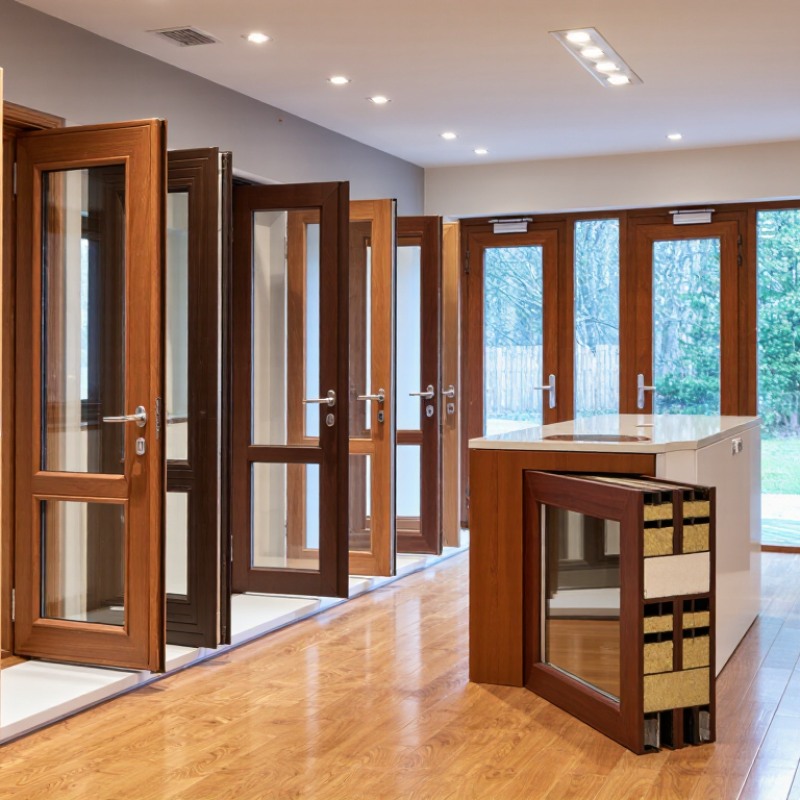
Wooden windows and doors from Chinese manufacturers are available in several practical configurations. Common window types include casement, sliding, awning, and tilt-turn styles. Casement windows open wide for ventilation, while sliding designs save room beside patios or narrow walkways. Door options include hinged entry doors, folding systems, and large glazed patio doors. The right choice depends on opening size, airflow needs, and how much space the door requires when open.

Material choices affect appearance, stability, and upkeep. Oak and other hardwoods show distinct grain, while pine offers a lighter, softer look. Some products use engineered timber, which combines wood layers to help limit movement as humidity changes. Ask how the frame is constructed. Details matter. For glazing, buyers may choose clear, patterned, or low-emissivity glass, depending on privacy and climate. Finishes range from transparent stains that reveal the grain to opaque paints in custom colours. Hardware, grille patterns, sill profiles, and frame thickness can also be specified. I would not assume a thicker frame is automatically better; check the opening dimensions and expected performance. A sample finish can look different in bright sunlight than under indoor lighting, so review it in both conditions before confirming an order.

China Top Wooden Windows and Doors Manufacturers? – Common Product Types, Materials, and Design Options
Product Type Common Materials Typical Construction Glazing or Surface Options Common Design Options Typical Applications
Solid-wood windows Pine, fir, larch, oak, or other hardwoods; species availability varies by supplier. Solid timber frames and sashes, often with weather seals and protective exterior finishes. Single, double, or triple glazing; clear, tinted, or low-emissivity glass may be available. Casement, tilt-and-turn, awning, or fixed configurations; natural stains and painted finishes. Homes and renovation projects where a natural timber appearance is preferred.
Wood-aluminum clad windows Timber interior, commonly pine or engineered wood, with an exterior aluminum cladding. Wooden frame and sash protected externally by fitted aluminum profiles. Insulating glass units; glazing specifications depend on climate and project requirements. Various opening styles, interior wood finishes, and exterior aluminum colors. Residential and commercial projects seeking a timber interior with a more weather-resistant exterior surface.
Wooden entrance doors Solid or engineered timber, with species such as oak, pine, or other hardwoods depending on specification. Solid, engineered, or panel construction; may include insulated cores and reinforced locking areas. Opaque panels or decorative safety-glass inserts; stained, painted, or clear-finished surfaces. Traditional panel, contemporary flush, glazed, or custom-sized designs; hardware options vary. Main entrances to houses, apartments, and other buildings.
Interior wooden doors Engineered timber, solid wood, veneer, or wood-based panels. Flush, panel, or framed construction; lightweight and solid-core versions are common options. Painted, laminated, or natural-wood veneer finishes; optional decorative glass panels. Sliding, hinged, pocket, or folding formats; panel profiles and surface colors can be customized. Bedrooms, bathrooms, offices, and interior room divisions.
Wooden sliding and patio doors Engineered timber or solid-wood frames, sometimes with exterior aluminum cladding. Sliding sash panels run on tracks; lift-and-slide hardware may be specified for larger openings. Large insulated glass panels, with safety-glass requirements determined by location and use. Two-panel or multi-panel layouts, fixed sidelights, and a range of interior and exterior finishes. Patios, balconies, gardens, and wide openings between indoor and outdoor spaces.
Wooden French doors Solid or engineered timber frames, with optional aluminum cladding on exposed sides. A pair of hinged door leaves, usually with glazed sections and coordinated hardware. Clear or patterned glazing; double glazing is commonly offered for insulated versions. Inward- or outward-opening configurations, divided-light patterns, and painted or stained finishes. Balconies, gardens, conservatories, and connections between interior rooms.

Profiles of Leading Chinese Wooden Window and Door Manufacturers

Profiles of leading Chinese wooden window and door manufacturers should look beyond polished catalogues. Strong producers typically combine kiln-dried timber, stable finger-jointed components, precise corner joints, and controlled coating processes. Ask how they manage moisture content between production and installation; a small mismatch can cause sticking after a damp season. Factory audits, sample testing, and traceable material records offer more useful evidence than showroom appearance alone.

Performance matters. The Global Alliance for Buildings and Construction’s 2023 Global Status Report estimates that buildings and construction produced 37% of global energy- and process-related CO₂ emissions in 2022. This makes glazing, frame design, weather seals, and installation quality relevant selection points. Compare documented air leakage, water penetration, and thermal performance under recognized test methods. Profiles should also explain wood species, finish maintenance, warranty limits, and how custom sizes affect lead times. Some suppliers present impressive specifications, yet leave installation details vague. That gap deserves attention.

Tips: Request a full-size corner sample and the test reports for the exact proposed configuration. Check finish consistency, seal compression, and hardware movement by hand. Ask who handles site measurements and after-sales adjustments.

Manufacturing Processes, Quality Standards, and Certifications

Reliable wooden windows begin with controlled timber moisture, not attractive grain alone. Manufacturers typically kiln-dry wood, machine profiles, seal end cuts, and assemble corners with tight, even joints. A small gap can admit water and weaken a frame over time. Factory checks should record moisture content, dimensions, coating coverage, and hardware operation. The IEA’s 2023 Buildings report estimates that building operations account for about 30% of global final energy use. That makes verified air leakage and thermal performance important—not just claims about “energy saving.”

Tips: Ask for recent test reports. Check that they identify the exact window type, glazing, and hardware tested. A certificate for one configuration may not cover another. In North America, look for testing against the applicable NAFS window and door standard; in Europe, EN 14351-1 applies to external windows and doors. Requirements vary by market. ISO 9001 can support consistent factory procedures, but it does not certify each finished window’s performance.

For timber sourcing, FSC or PEFC chain-of-custody certification can document material tracking. It does not prove weather resistance or workmanship. Review sample inspection records, finish specifications, and warranty exclusions, then inspect a real corner joint if possible. A polished certificate still cannot reveal every weak joint. Some suppliers explain this well; others leave buyers guessing, and that deserves closer scrutiny.

Formaldehyde Emission Limits for Wood-Based Panels

A material-quality benchmark relevant to components used in wooden windows and doors.

Lower limits indicate stricter formaldehyde-emission classification. Values shown are the maximum limits in China’s GB/T 39600-2021 standard for wood-based panels and finishing products; they are not test results for any particular window or door.

How to Evaluate and Select a Chinese Manufacturer

Selecting a Chinese wooden window and door manufacturer starts with evidence, not polished catalog photos. Photos are not proof. Ask which wood species are used, how moisture content is controlled, and how frames are joined. Request written specifications for glazing, seals, finishes, hardware, and product tolerances. These details help you compare suppliers on equal terms.

Tips: Request a production sample and inspect its corners, coating, and opening action. Ask for recent test reports relevant to the intended climate and installation. Check whether report models match the products being quoted. Confirm lead times, packaging methods, inspection stages, and how defects are handled in writing.

A factory visit or independent inspection can reveal whether documented procedures match daily production. Look for moisture meters, organized material storage, and repeatable quality checks. Discuss your drawings early; unclear dimensions can create costly revisions. I would avoid choosing on price alone, though a higher quote does not guarantee better workmanship. A small pilot order can expose gaps in communication or finish consistency before a larger commitment. Small details matter. Keep questions, approved samples, and specification changes in a shared record.