What Are the Best Budget Doors in 2026?
Finding the best budget doors in 2026 means looking beyond the price tag. A door that costs less upfront may need more maintenance, hardware, or adjustment later. This guide compares practical options by material, typical use, installation needs, and long-term value. It also separates interior doors from exterior doors, since their demands are different. A hollow-core door can suit a bedroom or closet, while a solid-core model may feel sturdier and reduce sound transfer. For an entryway, steel and fiberglass options are worth comparing for insulation, weather resistance, and upkeep. Details matter. Check the frame, hinges, seal, and finish—not just the door slab.
Prices and product availability vary by region, retailer, and installation conditions, so any “best” choice depends on the home. Measure the opening carefully. A bargain can become costly if the frame is damaged or the size is unusual. Compare complete quotes, including delivery, hardware, fitting, and finishing. Product specifications and warranty terms can help, but they do not guarantee a trouble-free installation. There is no universal winner, and this guide cannot replace an on-site assessment. That limitation matters. The aim is to identify affordable doors that balance durability, appearance, and everyday performance, while flagging compromises shoppers should consider before buying. A plain door may be the smarter choice; sometimes, a small upgrade in construction earns its cost over years of use.
Define “Budget Door” by Comparing Slab, Prehung, and Installed Costs
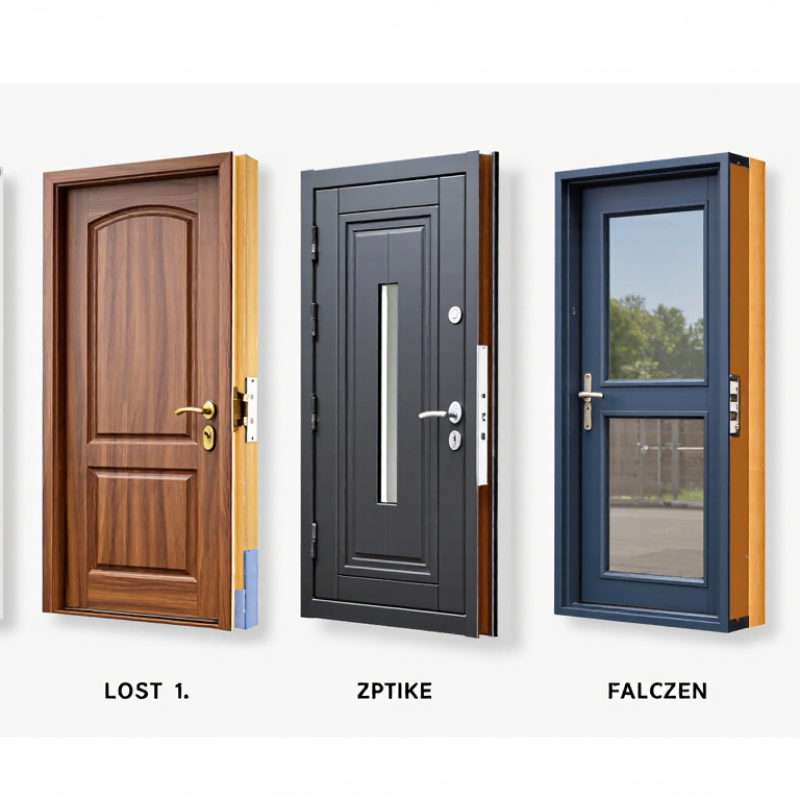
For a 2026 budget, compare the door unit with the finished opening—not just the shelf tag. A slab is the door panel alone; at roughly $50–$200 for a basic interior model, it can be the cheapest buy. But hinges, handle preparation, trimming, and a square existing frame matter. A prehung unit, often around $100–$400 before labor, includes the panel in its frame and hinges. It costs more upfront. It may save time when the old jamb is damaged or badly out of square. A low sticker price can mislead.
Installation changes the comparison. Angi’s 2025 door-installation cost guide reports an average project near $1,200, with many jobs between $496 and $1,904; door type, labor, and repairs affect the total. That broad figure is not an interior-door quote, so use it as context, not a promise. For a like-for-like estimate, ask whether removal, disposal, casing, hardware, painting, and frame repairs are included. Small details add up. A slab fitted into a sound frame may be the budget choice; a prehung door can be better value when the opening needs work. I’d still verify local labor and measurements before comparing bids. A narrow price range can hide a very different scope.
Check Fit Against the Common 36 × 80-Inch Door Size
When comparing budget doors in 2026, treat 36 × 80 inches as a common reference size, not a guarantee of fit. Measure the existing door slab from edge to edge and top to bottom. Check its thickness, too; many interior slabs are about 1⅜ inches thick, while exterior doors are often thicker. Measure twice.
The opening and the door are not the same measurement. If you are replacing a prehung door, measure the rough opening and inspect the frame, jamb, and flooring clearance. A nominal 36 × 80-inch door unit needs extra space for its frame, shims, and adjustment. The exact allowance varies by product and wall condition, so confirm the manufacturer’s installation dimensions before buying. An old house may have an opening that is slightly out of square.
A low price can lose its appeal if the door needs trimming, new hardware, or a frame replacement. Check whether the listed size describes the slab or the complete prehung unit. Confirm handing and swing direction by standing on the side where the door opens toward you. For exterior use, also check weatherstripping and threshold details. I have seen a “standard” size still require careful adjustment; budget for that possibility, not just the sticker price.
Compare Steel, Fiberglass, and Wood Using NFRC U-Factor Ratings
A budget door should be judged by its NFRC label, not material alone. The U-factor measures heat flow; a lower number generally means better insulation. Check that the rating covers the complete door assembly, including its frame and any glass. Compare doors with similar sizes and glazing, or the numbers may mislead.
Steel doors often offer an insulated foam core at a modest price. Their U-factors vary, and metal edges can still transfer heat. Fiberglass doors may resist dents and weathering well, but some cost more upfront. Wood doors bring a warm, natural look; their insulation depends on construction, and finishes may need regular care. No material wins every comparison.
Read the details. Look for the NFRC-certified rating on the product label or documentation, and compare the same configuration. A small glass panel can change performance. So can the frame. A well-rated door may still leak around a poorly fitted threshold, where cold air slips across the floor. I’ve seen shoppers focus on the slab and overlook that gap. It is an easy mistake. Installation quality and weatherstripping matter, too, so include them when weighing the total cost.
What Are the Best Budget Doors in 2026? - Compare Steel, Fiberglass, and Wood Using NFRC U-Factor Ratings
Compare the NFRC label on each specific door model before buying. U-factor measures heat transfer through the complete rated product; a lower number indicates better insulation. There is no single NFRC U-factor for an entire door material.
| Door material |
Typical budget position |
NFRC U-factor |
Thermal-performance considerations |
Maintenance and durability |
Budget-buying tip |
| Insulated steel |
Often among the lower-cost options |
Check the NFRC-certified rating for the exact door and configuration |
Insulating foam in the core can reduce heat transfer. Glazing, frame, edge construction, and installation also affect the whole-unit rating. |
Generally low maintenance; the steel skin can dent, and damaged finishes may need prompt repair to help prevent corrosion. |
Compare insulated models and check that the quoted price includes the frame, weatherstripping, and installation needs. |
| Fiberglass |
Often mid-range; prices vary by finish and construction |
Check the NFRC-certified rating for the exact door and configuration |
Many models use an insulating core. The complete assembly—not the fiberglass skin alone—determines the NFRC rating. |
Typically resists rust and rot; follow the manufacturer's guidance for cleaning and refinishing. |
Compare a basic insulated model with steel alternatives using the same glazing and similar door size. |
| Wood |
Often higher-cost, though price depends on wood species and construction |
Check the NFRC-certified rating for the exact door and configuration |
Wood provides natural insulation, but construction, thickness, glazing, frame, and weather seals influence whole-unit performance. |
Needs suitable sealing or finishing and periodic upkeep; exposure to moisture can cause swelling or damage. |
For a tight budget, compare total ownership costs, including finishing and maintenance, rather than purchase price alone. |
How to compare ratings:
Use the NFRC U-factor shown for each complete door assembly, in Btu/(h·ft²·°F), and compare products with similar size and glazing. Lower U-factor means less heat transfer. Verify the current product label and local energy requirements before purchase.
Use DOE’s 25–30% Window-Energy Figure as Home-Envelope Context
When comparing budget exterior doors in 2026, treat energy performance as part of the whole home envelope. The U.S. Department of Energy’s Energy Saver guidance estimates that windows account for 25–30% of residential heating and cooling energy use. That figure describes windows, not doors. It does show why a low-priced door should be judged alongside nearby glazing, drafts, and insulation—not by its price tag alone. That distinction is easy to miss.
For a budget door, check the NFRC label for rated U-factor and solar heat gain, then inspect the frame and weatherstripping. DOE guidance recommends sealing air leaks; a snug fit matters when cold air slips around the latch or daylight shows beneath the threshold. Ask for the exact model’s rating, not a general claim about “energy efficiency.” A basic insulated door with sound seals may suit a sheltered entry, while an exposed doorway may need sturdier construction. I’d still compare installation costs carefully: an inexpensive slab can become a poor deal if the frame is warped or fitting leaves gaps. That part is less glamorous.
Rank 2026 Value Picks by Durability, Security, Climate, and Warranty
What Are the Best Budget Doors in 2026?
For a tight budget, compare doors by performance, not just shelf price. A well-sealed steel entry door often offers strong security and everyday durability for the money. It can dent, though, and exposed edges may need care in damp conditions. For harsh weather, a fiberglass door is a sensible second pick: it resists moisture and temperature swings, but usually costs more. A basic insulated steel patio door can be a value choice in mild climates, provided its lock and frame feel solid.
Rank value by your home’s conditions. For security, check the deadbolt reinforcement, strike plate, and frame—not just the door slab. For cold or hot weather, look for a clear insulation rating, tight weatherstripping, and a threshold without visible gaps. Warranty length matters, but read the exclusions. Glass, finish, hardware, and installation may have separate coverage. A low price can lose its appeal if fitting costs rise.
Tips: Measure the opening twice, including the frame depth. Check whether the door swings smoothly and closes without a shove. Ask for written warranty terms before buying. Keep the receipt. Don’t assume the most expensive option is best; I’d still prioritize a sound frame over decorative extras.
Best Budget Doors in 2026: Value Picks
A material-level comparison of budget-friendly door types across durability, security potential, climate performance, and warranty considerations.
Ratings are indicative editorial comparisons on a 1–5 scale, not standardized test results. Actual performance depends on construction, installation, locks, weather seals, and maintenance. Warranty terms vary by product; review the specific written warranty before buying.