What Are UPVC Windows & Doors? Benefits, Types, and Installation Guide
In today's construction and renovation landscape, UPVC windows and doors have emerged as a popular choice among homeowners and builders alike. These versatile materials provide not only aesthetic appeal but also exceptional energy efficiency and durability. According to industry expert Sarah Thompson, "UPVC windows and doors represent a blend of style and functionality, making them an ideal solution for both modern and traditional homes."
As we delve into the myriad benefits, types, and installation techniques of UPVC windows and doors, it becomes evident that their growing popularity is rooted in more than just their low maintenance requirements. With the ability to withstand harsh weather conditions while offering excellent insulation properties, UPVC products can significantly enhance a property's energy efficiency, ultimately leading to lower heating and cooling costs.
In this guide, we will explore the diverse array of UPVC window and door options available on the market, along with practical insights on installation, ensuring that you can make informed decisions for your home. By understanding the advantages and versatility of UPVC windows and doors, you can transform both the functionality and aesthetics of your living spaces.
Understanding UPVC Windows and Doors: Definitions and Key Features

UPVC windows and doors are manufactured from unplasticized polyvinyl chloride, a robust material that offers numerous advantages over traditional wood and metal options. The key characteristic of UPVC is its resistance to moisture, rot, and corrosion, making it ideal for various climate conditions. This durability ensures a long lifespan for windows and doors, requiring minimal maintenance over time. The material’s thermal efficiency also contributes to energy savings, as UPVC frames help to insulate homes, keeping them warm in winter and cool in summer.
Another significant feature of UPVC windows and doors is their versatility in design. They are available in a wide range of styles, colors, and finishes, allowing homeowners to choose options that perfectly match their aesthetic preferences. Furthermore, UPVC is eco-friendly, as it can be recycled at the end of its life cycle. Additionally, security is enhanced with UPVC frames, which can be fitted with multi-point locking systems, providing peace of mind for homeowners. Overall, the combination of durability, energy efficiency, design versatility, and security features makes UPVC windows and doors a popular choice in modern construction.
Advantages of UPVC Windows and Doors: Energy Efficiency and Durability
UPVC (Unplasticized Polyvinyl Chloride) windows and doors are increasingly favored for their remarkable energy efficiency and durability. These materials provide excellent insulation, which helps maintain a stable indoor temperature. As a result, homeowners can significantly reduce their energy consumption for heating and cooling, leading to cost savings on energy bills. Additionally, UPVC is resistant to adverse weather conditions, ensuring that windows and doors retain their shape and functionality over the years without warping, swelling, or rotting.
The global market for hard PVC windows and doors is set to experience substantial growth, with projections indicating a value of $18.96 billion by 2025 and an impressive $44.26 billion by 2035. This represents a compound annual growth rate of 8.9%, reflecting a growing recognition of the benefits associated with UPVC materials. As more people prioritize sustainable living and energy-efficient solutions, the demand for UPVC windows and doors is expected to rise, making them a popular choice in both new constructions and renovations.
Energy Efficiency of UPVC Windows & Doors
Exploring Different Types of UPVC Windows and Doors: Styles and Customizations
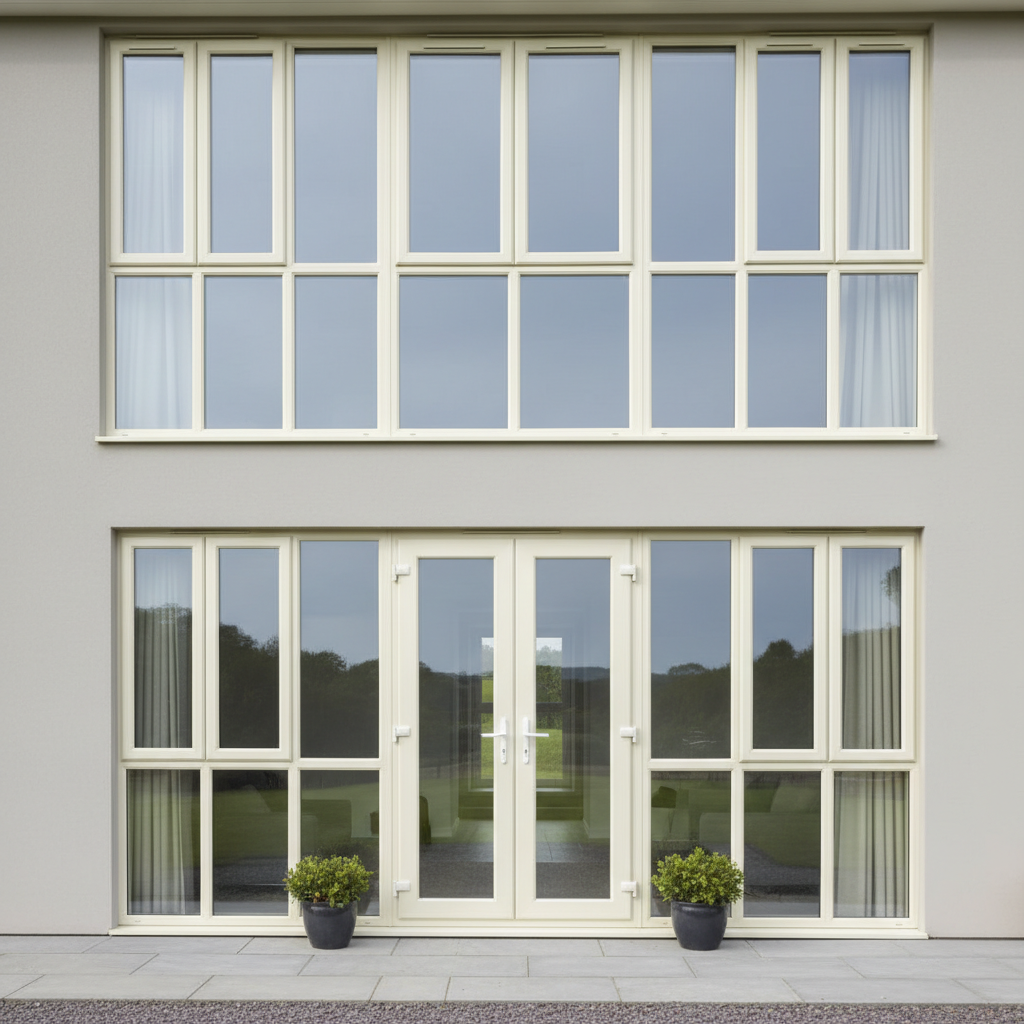
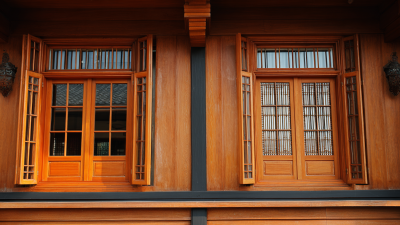
UPVC windows and doors have become increasingly popular due to their durability, low maintenance, and energy efficiency. When it comes to customization, there are various styles to choose from. Casement windows, for instance, open outward and provide excellent ventilation, while sliding windows are perfect for limited spaces, allowing natural light to flood in without taking up extra room. Additionally, tilt-and-turn windows offer versatility, enabling both inward tilting for ventilation and full opening for a wide view.
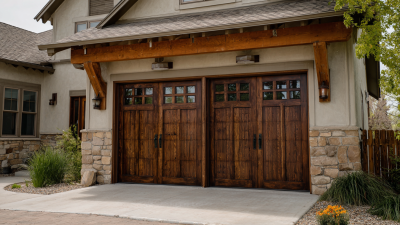
When selecting UPVC doors, homeowners can opt for styles such as French doors, which add an elegant touch and can also serve as an entryway to patios or gardens. Bi-fold doors are another trendy option, seamlessly connecting indoor and outdoor spaces while allowing for a grand entrance when fully opened. Customization options extend beyond style, as UPVC can be available in a range of colors and finishes, ensuring that aspects of the home can reflect personal taste and architectural integrity. This adaptability makes UPVC windows and doors suitable for various design aesthetics, from modern to traditional.
What Are UPVC Windows & Doors? Benefits, Types, and Installation Guide
| Dimension |
Details |
| Material |
UPVC (Unplasticized Polyvinyl Chloride) |
| Benefits |
Durability, energy efficiency, low maintenance, sound insulation |
| Types |
Casement windows, sliding windows, tilt and turn windows, French doors, patio doors |
| Styles |
Modern, traditional, and custom designs available |
| Color Options |
White, grey, black, wood grain finishes |
| Energy Efficiency Rating |
A-rated to C-rated options available |
| Installation Time |
1-2 days for an average home |
| Maintenance |
Minimal; occasional cleaning required |
Step-by-Step Installation Guide for UPVC Windows and Doors: Tips and Best Practices
When considering the installation of UPVC windows and doors, it's crucial to follow a step-by-step approach to ensure both functionality and safety. First, assess the dimensions of your existing frames and choose UPVC units that fit securely. It's essential to check for compliance with fire safety standards, especially in small blocks of flats where regulations may vary. Ensure that the materials used are fire-resistant and that the installation does not obstruct fire exits or emergency access.
Once you have your UPVC products, gather the necessary tools and materials before starting the installation. Begin by carefully removing the old frames, taking care not to damage surrounding structures. Install the new UPVC units by securing them in place, making sure they are level and aligned. Proper sealing with insulation materials is vital to prevent drafts and improve energy efficiency. Finally, inspect the installation for any gaps or misalignments, ensuring that everything is tightly sealed and functioning correctly. Following these best practices will help you achieve a safe and efficient installation of UPVC windows and doors.
Maintenance and Care for UPVC Windows and Doors: Ensuring Longevity and Performance
Maintaining UPVC windows and doors is crucial for ensuring their longevity and optimal performance. Regular cleaning is essential to keep them looking their best and functioning smoothly. Homeowners should wipe the frames with a mild detergent and water solution, while avoiding abrasive materials that could scratch the surface. For the glass panes, a glass cleaner or vinegar solution can keep them crystal clear, enhancing the natural light in the home.
Another important aspect of UPVC maintenance is checking seals and gaskets. Over time, these components can become worn or damaged, potentially leading to drafts and reduced energy efficiency. It's advisable to inspect these seals regularly and replace them if any signs of wear are present. Additionally, lubricating moving parts such as hinges and locks can prevent rust and ensure smooth operation, further enhancing the durability of these fixtures. By adhering to these maintenance practices, homeowners can enjoy the benefits of UPVC windows and doors for many years to come.