2026 Top Sliding Glass Windows for Modern Homes?
In modern home design, Sliding Glass Windows have gained immense popularity. According to a report by Grand View Research, the global sliding window market is expected to grow at a CAGR of 4.5% from 2021 to 2028. This growth reflects a trend among homeowners seeking stylish yet functional solutions. Sliding glass windows enhance natural light and provide views without compromising on space.
The versatility of sliding glass windows contributes to their appeal. Many designs now include improved energy efficiency features, which align with eco-conscious trends. A study published by the U.S. Department of Energy noted that high-performance windows can save homeowners up to 30% on energy bills. However, not all sliding glass windows meet these standards. Homeowners must research and choose wisely to avoid potential pitfalls.
While aesthetics play a crucial role, functionality cannot be overlooked. Poor installation can lead to air leaks, reducing energy efficiency. Additionally, some products may lack durability under harsh weather conditions. Therefore, it is vital to consider quality and performance when selecting the best sliding glass windows for modern homes.
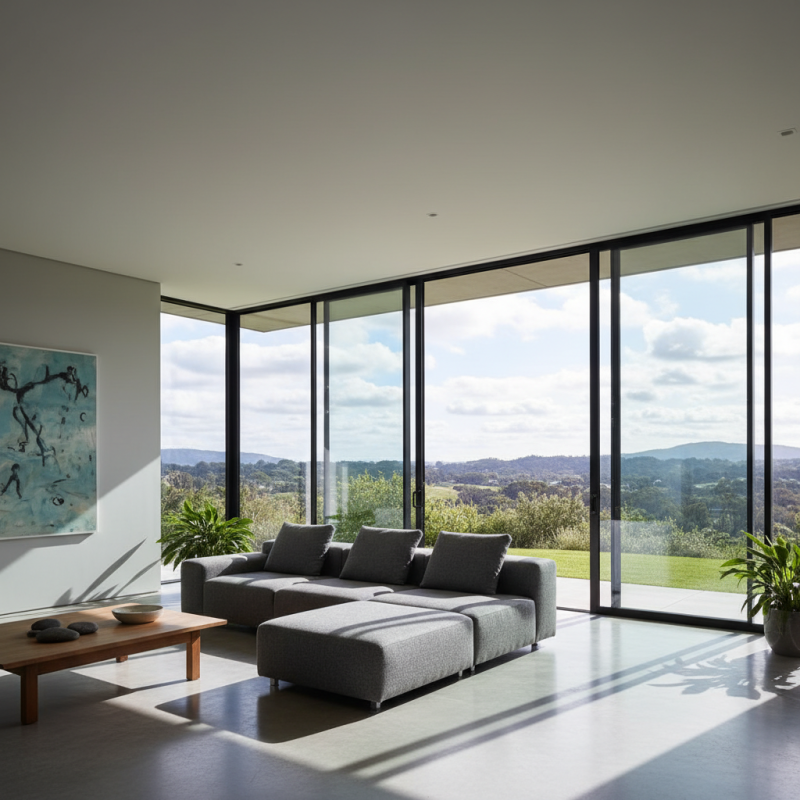
Overview of Sliding Glass Windows in Modern Architecture
Sliding glass windows have become a staple in modern architecture. They blend indoor and outdoor spaces, creating a seamless transition. These windows are designed not just for aesthetics but also for functionality. They enhance natural light and improve ventilation. However, their installation can be challenging. Architects must consider structural integrity and local climate conditions when planning.
Tips: When choosing sliding glass windows, prioritize energy efficiency. Look for double or triple glazing options. This can help reduce energy bills and improve comfort.
The integration of sliding glass windows can lead to potential drawbacks. These windows may require regular maintenance to ensure smooth operation. Dirt and debris can hinder their functionality. Regular cleaning is essential. Additionally, privacy concerns may arise in urban settings. Balancing openness with privacy is a challenge that needs thoughtful consideration.
Tips: Using window treatments like shades or frosted glass can enhance privacy while maintaining light flow. Consider strategically placing furniture to create privacy without sacrificing view.
Key Features to Consider for Top Sliding Glass Windows
When considering sliding glass windows for modern homes, several key features stand out. First, the material used is vital. High-quality frames, often made from aluminum or vinyl, ensure durability and energy efficiency. These materials resist weathering and provide a sleek, contemporary look.
Another important aspect is the glazing type. Double or triple-pane glass offers excellent insulation and noise reduction. Low-E coatings can enhance energy efficiency by reflecting heat. Security features should not be overlooked. Multi-point locking systems provide extra protection, deterring unwanted entry.
Finally, installation plays a crucial role in the overall effectiveness of sliding glass windows. A poorly installed window can lead to drafts, leaks, and condensation. Ensuring proper fit and weather sealing requires a skilled professional. Regular maintenance, like inspecting seals and cleaning tracks, is also essential. These details can significantly impact longevity and performance.
2026 Top Sliding Glass Windows for Modern Homes
| Feature | Description | Energy Efficiency Rating | Material Options | Security Features |
| Smooth Operation | Designed for frictionless sliding with durable rollers. | U-Value: 0.30 | Vinyl, Aluminum, Wood | Multi-point locking systems available. |
| Low Maintenance | Materials that require minimal cleaning and upkeep. | Solar Heat Gain Coefficient: 0.20 | Fiberglass, Composite | Tempered glass for added safety. |
| Aesthetic Appeal | Contemporary designs that enhance modern architecture. | Whole Window Energy R: 3.5 | Customizable finishes and colors. | Optional smart lock technology. |
| Sound Insulation | Designed to reduce noise pollution from the outside. | Sound Transmission Class: 34 | Laminated glass options. | Reinforced frame for enhanced security. |
Best Materials Used in Sliding Glass Window Construction
When selecting materials for sliding glass windows, homeowners should understand the impact on durability and aesthetics. Common materials include aluminum, vinyl, and fiberglass. Each option has unique benefits and drawbacks. For instance, aluminum frames provide strength but can conduct heat, impacting energy efficiency. Conversely, vinyl is energy-efficient and requires low maintenance, but it may not offer the same durability.
Fiberglass has gained popularity due to its strength and resistance to warping. According to the American Architectural Manufacturers Association, fiberglass windows can last over 30 years with proper care. Many architects favor fiberglass for modern designs because it can accommodate large panes, enhancing natural light in the home.
However, material choice often presents challenges. For example, while sliding glass windows are often seen as sleek and modern, poorly constructed versions can lead to issues like leaks or drafts. As noted by the National Fenestration Rating Council, selecting windows with proper ratings for insulation and air leakage is crucial. It’s essential to consult professional ratings and reviews to ensure reliable performance over time.
2026 Top Sliding Glass Windows Materials
Popular Trends in Sliding Glass Window Designs for 2026
In 2026, sliding glass windows continue to gain popularity for modern homes. Homeowners increasingly value natural light and open spaces. Large, expansive glass designs enhance indoor comfort and connectivity to outdoor environments. This trend reflects a shift towards minimalistic aesthetics, where windows serve as focal points rather than mere fixtures.
Another significant trend is the use of energy-efficient glass. Eco-friendly materials help to regulate indoor temperatures, reducing energy costs. Additionally, many designs feature innovative frame options, such as slim frames that maximize glass area. However, some designs may compromise durability. Homeowners must consider the long-term performance of these materials.
Customization is key in today's sliding glass window designs. Homeowners can choose from various colors, styles, and configurations. This allows for personal expression and alignment with home themes. However, this array of choices can lead to decision fatigue. Finding the right balance between aesthetics and functionality is crucial in achieving a harmonious design.
Maintenance Tips for Long-lasting Sliding Glass Windows
Sliding glass windows are popular in modern homes due to their aesthetic appeal and functionality. However, maintaining them properly is crucial for longevity. One report from the Window and Door Manufacturers Association indicates that regular maintenance can extend the lifespan of these windows by up to 15 years. Proper care ensures that homeowners enjoy both beauty and efficiency.
Cleaning the tracks and seals is essential. Debris buildup can lead to operational issues and seal failures. Experts recommend using a mixture of mild detergent and water for cleaning. It's advisable to inspect seals every few months. If any signs of wear or damage appear, address them promptly. Unattended issues can escalate, potentially resulting in significant repair costs.
Weatherstripping should also be checked. This component plays a vital role in insulation. It can wear out over time due to temperature fluctuations. According to industry studies, replacing worn weatherstripping can improve energy efficiency by up to 20%. While many homeowners overlook this aspect, it significantly impacts comfort and energy bills. Neglecting regular maintenance can lead to bigger problems down the line, such as drafts or moisture leaks. Consistent attention to these details will ultimately safeguard the integrity of sliding glass windows.