How to Choose the Best UPVC Sliding Doors for Your Home?
Selecting the right UPVC sliding doors for your home is crucial. These doors offer both style and functionality. However, many homeowners struggle with the numerous options available. With various designs, colors, and sizes, making a decision can feel overwhelming.
UPVC sliding doors are known for their durability and energy efficiency. They provide excellent insulation and can lower energy bills over time. Moreover, they enhance the aesthetic appeal of your home. However, not all UPVC doors are created equal. Quality varies significantly across brands and models.
When choosing UPVC sliding doors, it’s essential to consider materials and security features. Investing in high-quality products is vital. Poor choices might lead to increased maintenance costs. Remember, your door doesn’t just serve as an entrance; it should reflect your style and ensure safety. Balancing aesthetics and practicality requires careful thought.
Factors to Consider When Selecting UPVC Sliding Doors for Your Home
When selecting UPVC sliding doors for your home, several factors demand attention. Consider the size of your space and the door’s measurements. An incorrect size can affect functionality and aesthetics. Research shows that 70% of homeowners prioritize size when making a decision on door selection.
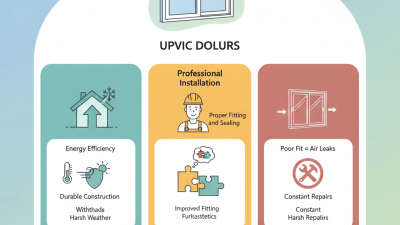
Energy efficiency is crucial. UPVC sliding doors often come with excellent thermal insulation properties. According to industry reports, high-quality UPVC can reduce heating costs by up to 30%. Look for doors with multi-chambered frames that offer enhanced insulation.
Tip: Always request energy ratings for doors. This information helps you understand potential savings. Safety also matters. Ensure your chosen UPVC doors have a robust locking mechanism. Many manufacturers offer advanced security features.
The design should align with your home's decor. Minimalism in design can create a sense of spaciousness. Yet, some designs may feel overwhelming and less welcoming. Reflect on the ambiance you wish to create.
Tip: Take samples home. This helps visualize the actual impact on your living space. Remember that not all installed doors are an ideal fit. Test before committing. Select UPVC sliding doors that balance aesthetics, efficiency, and practicality.
Benefits of UPVC Sliding Doors: Durability and Energy Efficiency
UPVC sliding doors offer significant benefits, particularly in terms of durability and energy efficiency. According to a report from the Department of Energy, homes with energy-efficient doors can save up to 30% on heating and cooling costs. This is due to the excellent thermal insulation properties of UPVC. The material prevents heat loss in winter and keeps interiors cool in summer.
Choosing the right sliding door is vital. Look for options that have multi-chamber frames. These frames enhance insulation by trapping air within the chambers. This simple feature can lead to lower energy bills. Additionally, UPVC is resistant to corrosion and fading, ensuring your doors remain aesthetically pleasing over time. Research from industry experts shows that UPVC doors can last over 30 years with proper maintenance.
Tip: When selecting UPVC sliding doors, always check for energy ratings. A higher rating indicates better energy efficiency. Pay attention to the hardware and installation quality as well. Poor installation can negate the energy-saving benefits. Make sure to consult with professionals who can guide you in making informed decisions tailored to your home’s needs.
Key Design Features to Look for in UPVC Sliding Doors
When selecting UPVC sliding doors for your home, design features play a crucial role. Look for doors that offer superior thermal efficiency. According to industry reports, energy-efficient sliding doors can reduce heating costs by up to 30%. This allows you to save on energy bills while enjoying comfort.
Another essential feature is durability. UPVC doors should withstand varying weather conditions and resist fading. A study from the National Fenestration Rating Council highlights that high-quality UPVC can last 20 years or more without significant wear.
**Tip:** Always check for multi-point locking systems. This feature enhances security, protecting your home from intrusions.
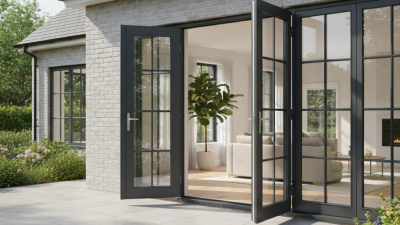
The aesthetics of sliding doors matter too. Choose designs that complement your home's exterior. Consider colors and finishes that blend seamlessly with your facade. Additionally, sliding doors should have smooth tracks for easy operation. An expert report states that poor-quality tracks can lead to frequent malfunctions.
**Tip:** Test the sliding action in the showroom. Ensure it glides effortlessly and fits well within the frame. This simple test can save you from future frustrations.
Comparative Analysis: UPVC vs Other Door Materials
When considering UPVC sliding doors versus other materials, a notable point is energy efficiency. UPVC doors can have an energy-saving potential of up to 30%. This statistic highlights the ability of UPVC to maintain interior temperatures, enhancing comfort in various climates. Reports indicate that homes with well-insulated UPVC doors consume significantly less energy compared to those with wooden or aluminum doors. Thus, choosing UPVC means potential savings on energy bills.
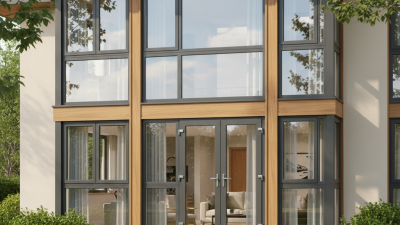
Durability is another critical factor. UPVC is resistant to rot, corrosion, and warping, which can be common in timber and metal doors. An analysis reveals that UPVC can last over 30 years with proper maintenance. In contrast, wooden doors may need frequent repainting or replacement, leading to added costs over time. However, the initial perception of plastic as less stylish can be misleading. Modern UPVC designs can mimic wood grain or other finishes, making them visually appealing.
Still, not every situation warrants UPVC. In coastal areas, aluminum could be preferable due to its resistance to salty air. This brings a dimension of complexity in decision-making. It’s essential to weigh the long-term benefits against the specific conditions of one’s environment. Homeowners might appreciate the cost-effectiveness of UPVC but must also consider their local climate and aesthetic preferences.
How to Choose the Best UPVC Sliding Doors for Your Home? - Comparative Analysis: UPVC vs Other Door Materials
| Criteria |
UPVC |
Wood |
Aluminum |
Fiberglass |
| Durability |
High |
Medium |
High |
High |
| Maintenance |
Low |
High |
Low |
Medium |
| Energy Efficiency |
Good |
Excellent |
Good |
Excellent |
| Cost |
Moderate |
High |
Moderate |
High |
| Aesthetic Options |
Varied |
Natural |
Modern |
Varied |