How to Choose Pro Windows and Doors for Your Home?
Choosing the right pro windows and doors can impact your home significantly. Many homeowners overlook details like energy efficiency and security. As expert architect Sarah Johnson says, “Quality windows and doors transform both the look and feel of your home.” Her insights remind us that it’s not just about aesthetics, but functionality too.
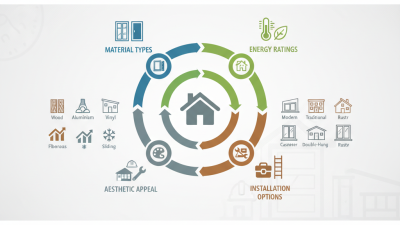
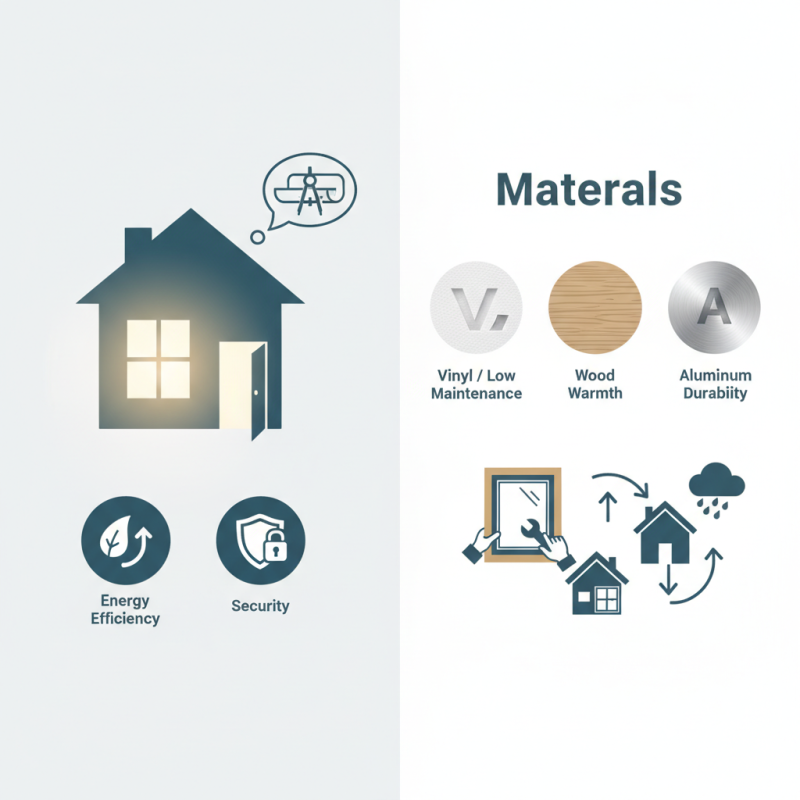
When selecting pro windows and doors, think beyond simple designs. Pay attention to the materials. Vinyl, wood, and aluminum each offer unique benefits. For instance, vinyl is low maintenance while wood provides warmth. Weigh these options carefully; they each shape your home’s energy use and style.
Installation matters just as much as the products themselves. Poorly installed windows can lead to drafts and damage. Relying on cheap labor might save money now, but will it cost you later? Reflect on these factors. Choosing pro windows and doors demands time and thought, but the rewards are well worth the effort.
Understanding the Importance of Quality Windows and Doors in Home Design
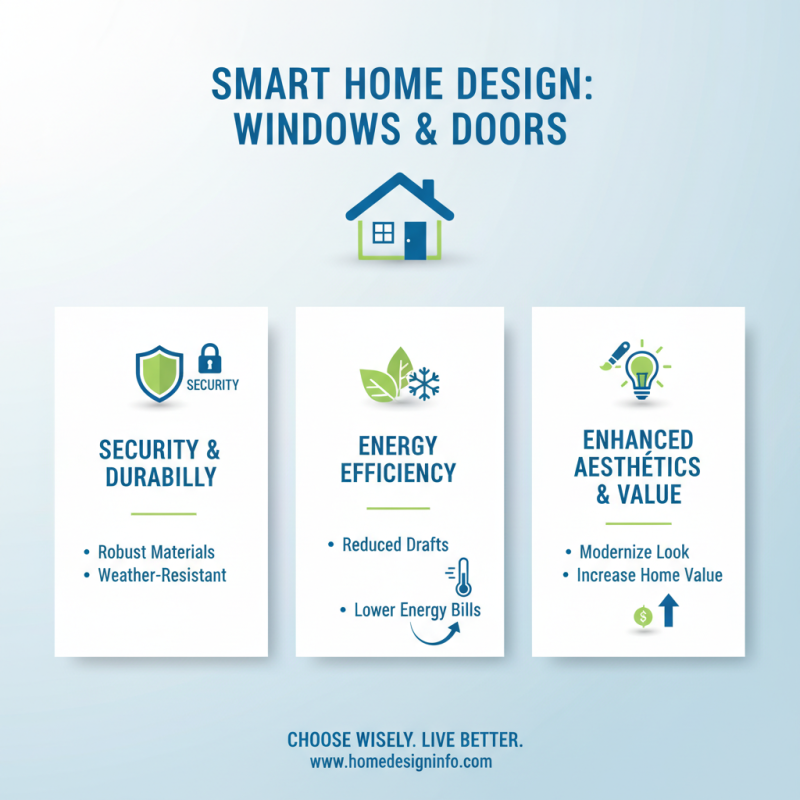
Choosing quality windows and doors is crucial in home design. They provide security, energy efficiency, and enhance aesthetics. Well-made windows can reduce energy bills. Poor quality options can lead to drafts and increased heating costs. It's vital to assess the materials used. They should withstand the elements, ensuring longevity in varying weather.
You might think all windows look similar, but small details matter. Installation is key. A poorly installed window may not seal properly. This can lead to problems in the future. Sometimes, homeowners overlook upkeep. Regular maintenance can extend the lifespan of your windows and doors. Ignoring it can result in costly repairs later on.
Consider how windows and doors affect natural light in your home. Large windows can brighten a space, making it feel larger and more inviting. However, they can also heat up rooms during summer. Reflect on your specific needs. Balance aesthetics with functionality. Quality products may cost more upfront, but they pay off in the long run. Evaluate all aspects carefully for the best choice.
Evaluating Energy Efficiency Ratings for Windows and Doors
When choosing windows and doors, energy efficiency is crucial. Look for ratings like U-factor and SHGC. These numbers show how well a product insulates. A lower U-factor means better insulation. Solar heat gain coefficient (SHGC) measures how much heat comes through. Both ratings directly impact comfort and energy bills.
Consider the material, too. Vinyl, wood, or fiberglass all perform differently. Vinyl windows often provide better insulation. Wood adds beauty but may require more upkeep. Reflect on your climate. Hot areas need products with low SHGC. In colder climates, focus on products with low U-factors to retain heat.
Don’t be swayed by flashy designs. Consider practicality and efficiency first. Finding the right balance can be tough. It may take time to analyze and compare options. Review multiple options, and check energy ratings diligently. Think about the long-term savings against initial costs. Every decision matters when choosing windows and doors.
Energy Efficiency Ratings for Windows and Doors
This chart illustrates the energy efficiency ratings represented by U-Value (W/m²K) for different types of windows and doors. A lower U-Value indicates better insulation properties, making double and triple pane options more energy-efficient compared to single pane alternatives.
Selecting the Right Materials: Vinyl, Wood, or Aluminum?
Choosing the right materials for your windows and doors is essential. Vinyl, wood, and aluminum each have unique advantages and drawbacks. According to the American Council for an Energy-Efficient Economy, vinyl windows can reduce heating and cooling costs by up to 30%. They are also low-maintenance and resistant to moisture. Yet, some may dislike their aesthetic appeal over time.
Wood offers a classic look and excellent insulation properties. Many homeowners appreciate its natural charm. However, it requires regular maintenance to prevent rot and warping. The National Association of Realtors notes that homes with wooden features may see a higher resale value, though upkeep can be demanding.
Aluminum is durable and lightweight, with low maintenance needs. It can be customized in various colors. However, homeowners might find that aluminum conducts heat poorly. A study by the Window and Door Manufacturers Association highlights that 50% of buyers prioritize window efficiency, but most don't consider material impact. Reflect on how each option aligns with your lifestyle and budget.
Assessing Security Features in Residential Windows and Doors
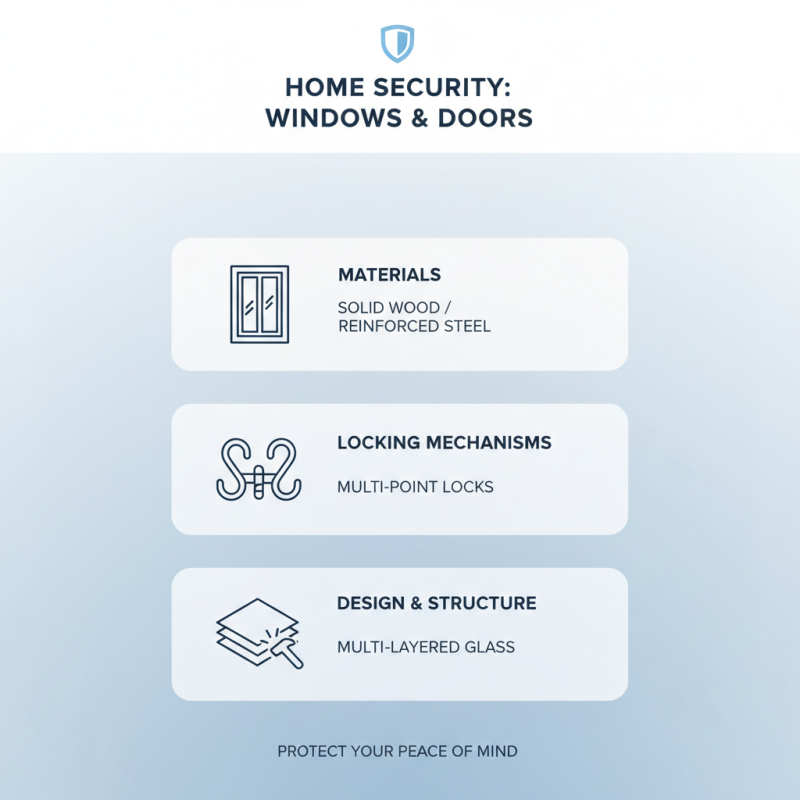
When it comes to selecting windows and doors for your home, security should be a top priority. Assessing security features can be daunting. Start by examining the materials. Solid wood or reinforced steel are more secure than lighter options. Look for multi-point locking systems. These locks provide an extra layer of protection. Consider the design and structure. Multi-layered glass can deter break-ins.
Don’t overlook the frame quality. A poorly constructed frame may compromise security. Test how sturdy the windows and doors feel. They should withstand force without flexing. Also, evaluate the installation process. A poorly installed window can offer easy access. Seek professional help if needed.
Take the time to research. Explore various security features thoroughly. Balance aesthetics with functionality. Reflect on your neighborhood's safety level. Sometimes, extra measures are necessary, like security cameras or outdoor lighting. Choosing the right products is critical. Remember, it’s about creating a safe environment for your family.
Comparative Cost Analysis of Professional vs. DIY Installation Options
When considering whether to go for professional installation of windows and doors or opt for DIY, the cost disparity becomes significant. A recent industry report indicates that professional installation typically costs between $100 and $250 per window. In contrast, DIY installation can reduce this expense to roughly $40 to $100 per window. However, this savings might not always equate to overall value.
Many homeowners underestimate challenges in DIY projects. A 2022 survey revealed that 30% of DIY installations resulted in issues requiring professional repairs later. Mistakes can lead to leaks or draft problems, costing more in the long run. The potential financial savings may not compensate for the time and effort required, especially if the installation doesn't meet standard practices. Proper sealing is essential; industry standards recommend specific caulking techniques, which an inexperienced installer might overlook.
Additionally, professional installers typically provide warranties for their work. This means, if issues arise, homeowners are shielded from unexpected costs. A study indicated that homes with professionally installed windows have a 15% higher energy efficiency rating. In contrast, DIY installations might attract unexpected costs due to poor insulation. The initial cost savings of a DIY approach can be enticing, but long-term reliability might tell a different story.