Top Tips for Choosing Green Windows and Doors for Your Home?
In recent years, the demand for green windows and doors has surged, reflecting a growing awareness of eco-friendly home improvement options. According to a report by the U.S. Department of Energy, energy-efficient windows can save homeowners up to 30% on energy bills. This statistic highlights the financial benefits of investing in sustainable materials.
Choosing green windows and doors goes beyond just energy efficiency. Manufacturers now focus on materials that reduce carbon footprints while offering style and durability. The Windows and Doors Manufacturers Association states that over 50% of consumers prioritize environmental factors when making purchasing decisions. Yet, many homeowners struggle to find reliable products in the market.
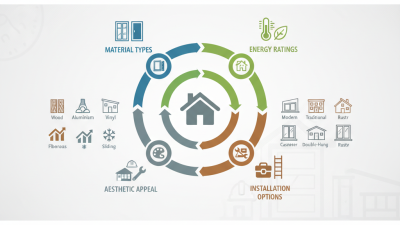
Navigating this landscape can be overwhelming. Key factors like energy ratings, material sourcing, and installation practices should guide your choices. Reflecting on the long-term impact of these decisions is essential. Opting for high-quality green windows and doors not only enhances your home’s aesthetics but also contributes positively to the environment.
Understanding the Importance of Green Windows and Doors
Choosing green windows and doors is essential for a sustainable home. They reduce energy consumption and lower utility bills. Understanding their importance empowers homeowners to make informed decisions. Green options also improve indoor air quality and enhance comfort.
When selecting green windows and doors, consider energy efficiency ratings. Look for products that meet or exceed industry standards. This can ensure you save energy year-round. Don’t forget installation quality; even the best products can underperform if not properly installed. Seek certified professionals to achieve optimal results.
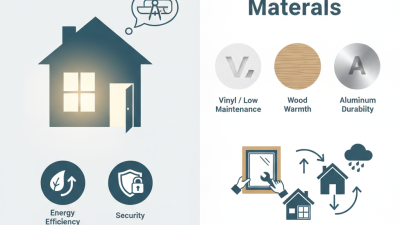
Another tip is to focus on materials. Sustainable wood, fiberglass, or recycled vinyl are excellent choices. These materials often have lower environmental impacts. However, some might require maintenance or periodic replacement. Keep this in mind while making your selections. Remember, every small decision contributes to a larger goal of sustainability.
Identifying Eco-Friendly Materials for Windows and Doors
Choosing eco-friendly materials for windows and doors is crucial for a sustainable home. Modern construction emphasizes sustainability. According to the U.S. Green Building Council, buildings account for nearly 40% of total energy use. Selecting energy-efficient windows and doors can significantly reduce this impact.
Look for materials like fiberglass, reclaimed wood, and aluminum with high recycled content. Fiberglass is durable and offers excellent insulation. It reduces energy consumption by up to 30%. Meanwhile, reclaimed wood not only recycles materials but also adds character to your home. However, sourcing can be challenging. Ensuring that the wood is sustainably harvested is essential.
Consider the environmental impact of finishes and treatments as well. Volatile organic compounds (VOCs) can be harmful. A report from the Environmental Protection Agency highlights that certain finishes emit gases for years. Opt for low-VOC finishes whenever possible. This choice enhances indoor air quality and contributes to a healthier living environment. Emphasizing both aesthetics and sustainability leads to better decision-making. The goal is to create a home that feels good and does good.
Top Tips for Choosing Green Windows and Doors for Your Home
This chart illustrates the eco-friendly ratings for various window and door materials, helping you make informed choices for a sustainable home. The ratings are based on factors like energy efficiency, recyclability, and environmental impact.
Evaluating Energy Efficiency Ratings and Certifications
When selecting green windows and doors, energy efficiency ratings are crucial. Look for the ENERGY STAR label. This signifies products that meet strict energy efficiency guidelines set by the U.S. Environmental Protection Agency. According to the National Fenestration Ratings Council, certified windows can reduce energy costs by up to 15%. This figure illustrates the potential savings for homeowners.
Consider the U-factor and Solar Heat Gain Coefficient (SHGC) ratings. The U-factor measures insulation performance. Lower numbers indicate better insulation. Meanwhile, SHGC indicates how much solar heat enters through the window. Reports suggest that windows with a U-factor of 0.30 or lower can significantly decrease heating and cooling costs.
However, not all products that claim to be energy-efficient are backed by data. Some may only have vague certifications. Read the fine print and ask for detailed performance data. Always compare different options within the same category. You might find discrepancies in energy performance claims. Look for independent verification to ensure reliability. This can guide you to make a more informed choice for your green home.
Considerations for Installation and Maintenance Practices
When choosing green windows and doors, installation and maintenance practices are crucial. Proper installation ensures energy efficiency, directly impacting overall sustainability. According to the U.S. Department of Energy, poorly sealed windows can lead to energy losses of up to 30%. Ensure that installers are certified and follow best practices to prevent air leaks.
Regular maintenance is vital for longevity. A study from the National Association of Home Builders found that neglected windows can lead to replacement costs averaging $500 per unit. Sealants should be inspected annually for wear and tear. Keeping frames clean and free from debris enhances performance. Even biodegradable materials require periodic attention to maintain their eco-friendly attributes.
Replacing hardware when necessary is also essential. Often, homeowners overlook this simple task. Outdated hardware can lead to inefficiencies. Simple actions like ensuring tight fittings can save energy. Choosing high-quality seals can also make a significant difference. Prioritizing sustainable materials is vital, but the installation and maintenance practices often decide the longevity and performance.
Balancing Aesthetics with Sustainability in Design Choices
Choosing windows and doors that are both beautiful and environmentally friendly can be challenging. Aesthetics often clash with sustainability. Consider the materials. Wood is warm and inviting but can require more resources. Aluminum is sleek and modern, yet it has a high carbon footprint. You might find fiberglass a good middle ground, offering durability with energy efficiency.
Think about energy efficiency ratings. Double or triple glazing provides insulation but can also enhance visual appeal. Frames that come in various colors can match your home's style without sacrificing performance. Remember, aesthetics should not just be about looks; functional elements like proper sealing and weatherproofing enhance beauty through longevity.
Your home reflects you. Sometimes, trends lead us astray. A popular design choice today may not suit your needs tomorrow. Research local climate and energy regulations to make informed decisions. This approach ensures your choices remain relevant and beneficial over time. Balancing beauty with eco-friendly solutions requires thoughtfulness. Each decision contributes to a larger impact.
Top Tips for Choosing Green Windows and Doors for Your Home - Balancing Aesthetics with Sustainability in Design Choices
| Feature |
Sustainable Options |
Aesthetic Appeal |
Energy Efficiency Rating |
| Material |
Recycled Aluminum, FSC-Certified Wood |
Natural Finishes, Modern Designs |
A+ (Best) |
| Glazing Type |
Low-Emissivity (Low-E) Glass |
Clear, Tinted, or Textured Options |
A++ |
| Manufacturer |
Local Artisans with Sustainable Practices |
Custom Designs, Unique Finishes |
B |
| Installation |
Professional Installation for Efficiency |
Seamless Integration with Home Design |
A |
| Maintenance |
Low Maintenance Materials |
Variety of Color Options |
A++ |