



A chandelier can change the feel of a room before anyone notices the furniture. The right LED model also needs to provide useful light, fit the ceiling, and suit the way people live. This guide explores 10 Best LED Chandelier Lamps for Global Buyers, with practical points to consider before choosing a Chandelier Led Lamp. Think about room size, ceiling height, brightness, color temperature, and whether the fixture works with your preferred dimmer. A polished finish is appealing, but it cannot compensate for glare or difficult installation.
The options in this guide reflect different spaces and priorities, from compact dining areas to open living rooms with higher ceilings. Look closely at frame materials, diffuser quality, light output, and the stated lifespan. Check product specifications and installation requirements, since voltage, mounting hardware, and dimmer compatibility can vary by market. Small details matter. A warm glow may flatter a dining table, while a cooler setting can feel more practical in a work area. Yet product photos rarely show how light behaves in a real room. That is worth remembering. No single fixture will suit every home, and even a well-reviewed lamp may feel too bright or oversized once installed. Use the comparisons as a starting point, then confirm dimensions and technical details with the seller or manufacturer before buying.
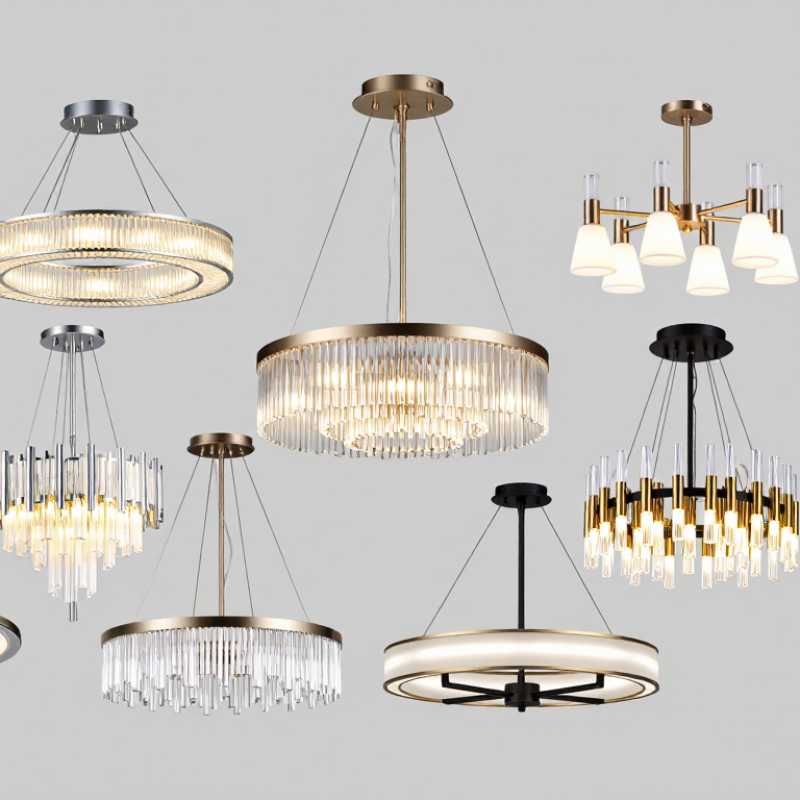
An LED chandelier does more than brighten a room; its shape helps define how the room feels. A wide, open frame can spread light across a dining table, while downward-facing shades create a more focused pool. Warm white light often softens wood and fabric. Cooler light can make pale stone or glass appear crisp, though it may feel stark in a relaxed living area. Small details matter.
For a useful comparison, check the fixture’s light output, color temperature, and color-rendering quality, not just its appearance. Dimming can help shift a chandelier from bright task lighting to a softer evening glow, but the lamp and dimmer must be compatible. In rooms with low ceilings, a compact design can reduce visual clutter and avoid crowding the space. Measure the table and ceiling before choosing; a beautiful fixture can still feel oversized. The honest trade-off is that integrated LEDs may offer a clean profile, but replacing a failed light source can be less straightforward than changing a bulb. A little less convenient. Look closely at how the fixture is serviced, how much glare its exposed LEDs create, and whether its light reaches the corners you actually use.
When comparing LED chandelier lamps, start with light output, not the number of bulbs. Lumens indicate brightness, while wattage shows energy use. A dining table may need softer light than a tall entryway. Check the fixture’s dimensions against the room and ceiling height; a wide chandelier can overwhelm a narrow space.
Color temperature shapes the room’s mood. Warm white often feels comfortable over a dining table, while cooler light can look stark against wood. Check the color rendering index too, especially if accurate food or fabric colors matter. Small details matter. Confirm that the dimmer is compatible with the LED driver, since some combinations flicker or make noise. For global buyers, verify voltage, frequency, plug or wiring requirements, and local installation needs from the product specifications. Don’t assume a fixture will work everywhere.
Also compare driver access, heat management, and warranty terms. An integrated LED design may look sleek, but repairs can be less straightforward if the light source fails. Replaceable components can help, though they may affect the appearance. Published brightness figures are useful, but shades and room finishes change how light feels in practice. Not always obvious. Ask for installation dimensions and driver details before ordering, then have a qualified electrician check the connection.
Choosing the right LED chandelier starts with the room, not the product photo. A compact flush mount suits low ceilings, while a semi-flush design adds shape without crowding a hallway. For long dining tables, a linear chandelier spreads light more evenly than a single central cluster. Measure the table and ceiling height before deciding. Scale matters.
Different rooms call for different forms. A multi-arm fixture brings visual structure to a tall entry, while globe shades soften light above a breakfast nook. Drum chandeliers can reduce glare in bedrooms, and sculptural ring designs work well in open living areas. For sloped ceilings or flexible layouts, look for adjustable suspension and check the listed installation requirements. A damp-rated fixture may suit a covered outdoor area, but confirm its rating and placement guidance.
LED color temperature affects how a space feels. Warm light often makes wood and fabric appear inviting; cooler light can feel clearer in task-focused rooms. Dimming is useful, though not every LED fixture works with every dimmer. Check compatibility before purchase. One detail is easy to overlook: a bright fixture can still leave corners dim. Consider the room’s existing lights, ceiling finish, and daily use. A chandelier may look perfect in a catalogue, then feel oversized at home. That happens. Measuring twice is less exciting, but it helps.
A common starting point is to add a room’s length and width in feet; use that total as the suggested chandelier diameter in inches. For example, a 10 × 12 ft dining room points to a fixture about 22 inches wide. These are general guidelines—ceiling height, furniture, and personal preference may call for a different size.
A chandelier should feel proportionate to the room, not merely attractive in a product photo. Measure the room and the table or seating area beneath it before choosing a fixture. For a dining table, a starting point is to hang the chandelier about 76–91 cm above the tabletop, then adjust for sightlines and ceiling height. Use painter’s tape or a cardboard circle to test the proposed width. It looks simple. In a narrow room, even a modest fixture can feel bulky.
Brightness depends on room use, ceiling height, and other light sources. Check the fixture’s total lumen output, rather than judging brightness by wattage alone. A dining area may need softer light during meals and stronger light for cleaning or reading, so dimmable LEDs can be useful. Warm white light, around 2700–3000 K, often complements wood and fabric; cooler light may suit crisp, modern interiors. Still, finishes and daylight can shift how a color temperature appears. Test samples when possible.
Style should connect with nearby materials, but matching every finish can make a room feel staged. A clear-glass chandelier may keep a small space visually open, while an opaque shade can reduce glare over a reflective table. Look for even light distribution and accessible LED components or clear replacement information. There is no perfect sizing formula; personal taste, ceiling structure, and the room’s actual brightness can complicate the decision. A fixture that looks balanced on paper may feel too dominant once installed.
10 Best LED Chandelier Lamps for Global Buyers
What Global Buyers Should Check for Compatibility and Installation
Before choosing an LED chandelier, confirm its input voltage and frequency match the destination’s supply. Products designed for 100–120 volts may not suit 220–240-volt systems. Check whether the light source is integrated or replaceable, and verify that its driver works with the intended dimmer. The IEA’s 2019 lighting analysis estimates that lighting uses about 15% of global electricity. Efficiency matters, but compatibility comes first.
Tips: Measure the ceiling height, canopy diameter, and distance from nearby doors or cabinets. Check the fixture’s weight against the ceiling outlet box’s rating. A decorative canopy can hide wiring, but it cannot make an unsuitable mounting point safe. Ask for installation instructions and the fixture’s electrical specifications before ordering.
For installation, confirm the ceiling type and mounting hardware, then arrange a qualified local electrician when wiring or structural support is uncertain. Keep the packaging until the fixture has been tested. One detail is easy to overlook: dimmers and LED drivers can behave differently even when their ratings appear similar. Double-checking is worthwhile. IEA, Lighting, 2019.
Compare these common LED chandelier configurations by typical light output and installation needs. The figures are indicative ranges for product selection, not specifications for a particular model.
| No. | Chandelier Type | Typical LED Input | Approx. Light Output | Supply and Frequency Check | Common Color Temperature | Dimming Check | Installation and Compatibility Check | Best Suited For |
|---|---|---|---|---|---|---|---|---|
| 1 | Compact flush-mount LED chandelier | 15–30 W | 1,200–2,700 lm | Choose a version rated for the local mains voltage; 50/60 Hz rating should match the supply. | 2700–4000 K | Only dimmable when the fixture and wall control are explicitly compatible. | Check ceiling-box condition, fixture diameter, and clearance from doors or cabinets. Flush designs suit lower ceilings. | Bedrooms, smaller dining areas, and rooms with limited ceiling clearance. |
| 2 | Linear LED chandelier | 25–60 W | 2,000–5,500 lm | Confirm the exact input-voltage range on the product label; do not assume all versions support 100–240 V. | 2700–4000 K | Check driver type and the approved dimmer list; some integrated LED drivers are not dimmable. | Measure the table length and suspension drop. Verify ceiling support and align the fixture with the table. | Rectangular dining tables, kitchen islands, and conference tables. |
| 3 | Multi-ring LED chandelier | 35–100 W | 3,000–9,000 lm | Match the fixture’s rated voltage and frequency to the installation site. | 3000–5000 K | Confirm whether dimming is supported and whether it uses a compatible wall dimmer or a specified control system. | Check total fixture weight, ceiling-anchor capacity, ring diameter, and adjustable suspension cables. | Large living rooms, stairwells, and contemporary open-plan spaces. |
| 4 | Crystal-style LED chandelier | 20–70 W | 1,800–6,500 lm | Verify the mains rating and frequency on the fixture or driver label. | 2700–4000 K | Confirm dimmer compatibility; low-load LED fixtures can flicker with unsuitable dimmers. | Account for crystal or glass components when checking weight. Follow assembly instructions and use secure ceiling support. | Dining rooms, entryways, and formal living areas. |
| 5 | Sputnik-style LED chandelier | 20–60 W | 1,600–5,000 lm | Select a model rated for local voltage and 50 or 60 Hz operation as applicable. | 2700–4000 K | Check that the integrated driver or included LED lamps support the intended dimmer. | Measure the widest arm span and ceiling clearance. Check that arms can be assembled and secured as directed. | Living rooms, dining spaces, and mid-century-inspired interiors. |
| 6 | Globe LED chandelier | 18–55 W | 1,500–4,800 lm | Confirm the fixture’s rated supply range and frequency before ordering. | 2700–4000 K | Check dimming support for the supplied driver or replaceable lamps, as applicable. | Check globe diameter, hanging height, glass weight, and whether replacement parts are available in the destination market. | Dining areas, bedrooms, and entry halls. |
| 7 | Adjustable-arm LED chandelier | 20–65 W | 1,600–5,500 lm | Use a version whose marked voltage and frequency match the local electrical supply. | 2700–5000 K | Verify driver dimming method and control compatibility before installation. | Check arm reach, balance, mounting plate, and support for the fixture’s full weight in its adjusted position. | Flexible dining and living layouts where light direction matters. |
| 8 | Mini-pendant cluster chandelier | 15–50 W total | 1,200–4,500 lm total | Confirm the canopy or driver input rating; check local voltage and frequency requirements. | 2700–4000 K | For group dimming, confirm all pendant drivers are compatible with the same control. | Check canopy size, cable adjustment range, ceiling support, and spacing between pendants. | Kitchen islands, stairwells, and small dining tables. |
| 9 | Drum LED chandelier | 20–60 W | 1,700–5,200 lm | Match the rated input voltage and frequency to the country of installation. | 2700–4000 K | Confirm whether the integrated LED module and driver are dimmable with the chosen control. | Measure the shade diameter and drop. Check that the mounting point supports the assembled fixture weight. | Bedrooms, dining rooms, and spaces needing softer, diffused light. |
| 10 | Traditional candle-style LED chandelier | 15–55 W | 1,200–4,800 lm | Check the fixture rating and, if using replaceable lamps, the lamp-base type and local voltage rating. | 2200–4000 K | Confirm that both the lamps and dimmer are LED-compatible; check the specified minimum load. | Verify fixture diameter, chain or rod length, ceiling-box support, and access for lamp replacement. | Traditional dining rooms, foyers, and formal sitting rooms. |
Before purchase, check the exact product label for voltage, frequency, wattage, dimming method, and required driver. Confirm local electrical-code requirements, ceiling support, fixture weight, and installation instructions. Hard-wired ceiling fixtures should be installed by a qualified electrician where required.