Are Wooden Windows and Doors Worth the Investment Today?
Investing in wooden windows and doors has been a topic of debate in recent years. With the rise of synthetic materials, many homeowners question their worth. However, the market for wooden windows and doors remains strong, driven by their aesthetic charm and durability. According to a report by the American Institute of Architects, wooden windows can offer a return on investment upwards of 70% for homeowners looking to sell.
Industry expert John Timberman states, “The appeal of wooden windows and doors lies in their natural beauty and sustainability.” This statement underscores the enduring value of these materials. While they may require more maintenance than vinyl options, wooden products have a unique character that enhances property value. Additionally, numerous studies have shown that homes with wooden features often stand out in the market.
Homeowners must consider the long-term benefits versus short-term costs. Wooden windows and doors need regular upkeep, yet this investment can pay off significantly over time. Potential buyers often seek the unique appeal that only wood can provide. Ultimately, the decision hinges on personal preference and long-term goals for the property.
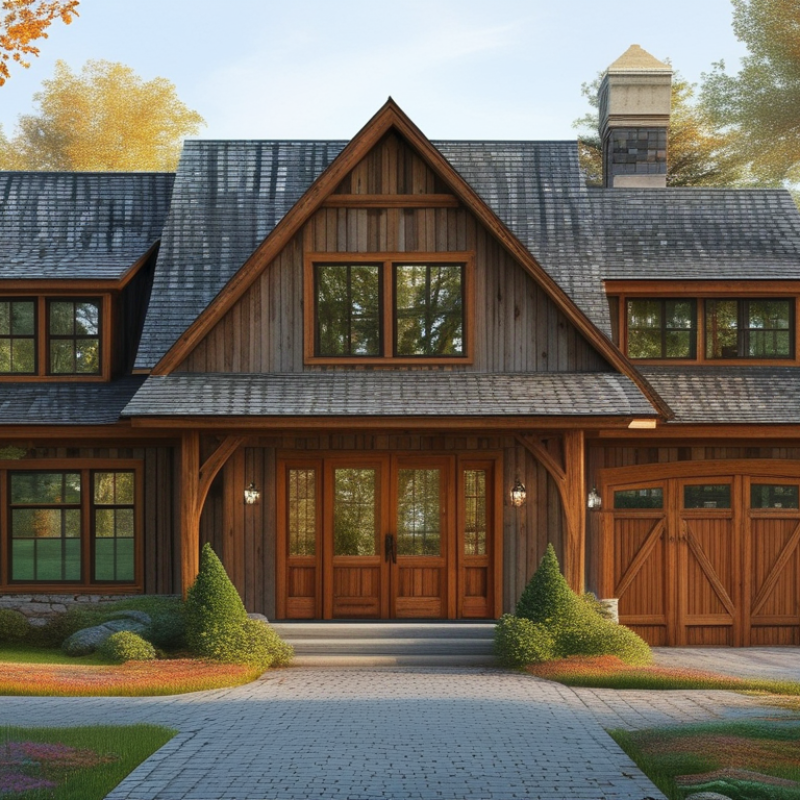
Factors Influencing the Cost of Wooden Windows and Doors
The cost of wooden windows and doors can significantly influence a homeowner's decision. Factors such as material quality, craftsmanship, and energy efficiency play crucial roles. According to the National Association of Home Builders, wooden windows average between $300 and $1,000 per unit, depending on the style and energy ratings. Investing in high-quality wood can lead to better durability and aesthetic appeal.
Energy efficiency is a key consideration. Windows and doors account for approximately 25-30% of residential heating and cooling energy use, as reported by the U.S. Department of Energy. Wooden frames, when properly insulated, can offer excellent thermal performance. However, wood requires regular maintenance, which can lead to additional costs over time. Homeowners must weigh the initial investment against long-term savings on energy bills.
Market trends indicate that eco-friendly materials are increasingly popular. Many consumers now seek sustainable options. Wooden windows, sourced from responsibly managed forests, align with this growing interest in environmental responsibility. Still, the initial price may deter some buyers. Ultimately, ensuring that the investment aligns with personal values and financial capability is essential.
Benefits of Choosing Wooden Windows and Doors for Your Home
Choosing wooden windows and doors offers various benefits for homeowners. One key advantage is energy efficiency. Wood naturally insulates better than many synthetic materials. According to a report by the U.S. Department of Energy, wooden windows can reduce heating costs by up to 15%. This not only lowers energy bills but also enhances comfort.
Aesthetic appeal is another significant factor. Wooden windows and doors provide a timeless look that can enhance property value. The National Association of Realtors indicates that homes with high-quality wooden features can sell for 10% more than homes without. However, maintenance must be considered, as wood requires periodic painting and sealing to prevent weather damage.
Durability is often misunderstood. While wood is sturdy, it can be susceptible to issues if not maintained properly. Homeowners should consider climate factors. For example, in coastal areas, untreated wood may deteriorate faster due to moisture exposure. Thus, informed decisions play a vital role in long-term satisfaction.
Comparing Wooden Windows and Doors to Alternative Materials
Wooden windows and doors have long been admired for their aesthetic appeal and durability. Yet, comparing these traditional materials to alternatives like vinyl and fiberglass reveals both advantages and drawbacks. According to a 2022 report by the National Association of Home Builders, wooden options typically provide superior insulation properties, reducing heating and cooling costs by 20% on average. Homeowners often appreciate the natural beauty of wood, which can enhance property value. However, this beauty comes at a price.
Vinyl and fiberglass are recognized for their low maintenance and affordability. A survey by the American Window and Door Institute indicates that 60% of consumers choose these materials for their longevity and ease of care. Unlike wood, which may require periodic painting and sealing, alternatives often come with warranties lasting 20 years or more. This shift raises a question: Are wooden windows and doors truly worth the investment in the face of modern materials?
Another aspect to consider is the environmental impact. Wood is renewable, but sourcing sustainably harvested timber can be challenging. Meanwhile, vinyl production contributes to higher carbon emissions. A report from the Environmental Protection Agency suggests that switching to energy-efficient windows, regardless of material, could lead to significant energy savings. Balancing aesthetics, efficiency, and environmental considerations poses a complex dilemma for homeowners today.
Long-Term Maintenance Requirements of Wooden Fixtures
When considering wooden windows and doors, maintenance needs are crucial. Wood is aesthetically appealing, but it can be high-maintenance. A study by the Window and Door Manufacturers Association shows that wooden fixtures require repainting or sealing every 3 to 5 years. Neglect leads to peeling and rotting, which can become costly.
Regular maintenance is essential for longevity. Homeowners must check for signs of wear often. The National Association of Home Builders reports that wooden windows can last 30 years with proper care. However, issues can arise without routine inspections. Moisture exposure can breed mold and lead to structural damage over time.
Moreover, investing in quality wood is vital. Cheap materials can result in frequent repairs. While wooden windows have a higher upfront cost, the long-term savings in replacement costs can offset this. Understanding the commitment to maintenance before purchasing can guide homeowners in making informed decisions. Choosing wood should be weighed against the time and effort required to keep them in optimal condition.
Are Wooden Windows and Doors Worth the Investment Today?
| Feature |
Wooden Windows |
Wooden Doors |
| Initial Cost |
$$$ |
$$$ |
| Durability |
20-30 years |
15-25 years |
| Maintenance Frequency |
Every 3-5 years |
Every 3-7 years |
| Energy Efficiency |
High |
Moderate to High |
| Aesthetic Appeal |
Classic and Timeless |
Elegant and Warm |
| Environmental Impact |
Sustainable if sourced responsibly |
Sustainable if sourced responsibly |
Impact on Property Value and Aesthetic Appeal of Wooden Choices
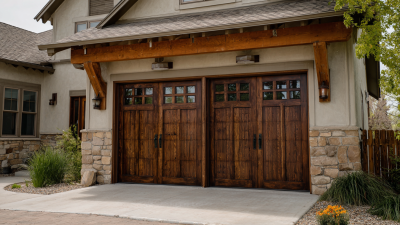
Wooden windows and doors have a timeless quality that can enhance a property’s aesthetic appeal. The warm tones and natural textures of wood create a welcoming atmosphere. Homeowners often appreciate the charm of wooden features. They can blend seamlessly with various architectural styles, adding character to homes. However, it's important to consider the maintenance requirements. Wooden surfaces need regular care to prevent rot or warping. Neglecting upkeep can diminish both beauty and functionality.
In terms of property value, wooden choices usually offer a significant return on investment. Buyers often look for unique features that stand out. Quality wooden windows and doors can make a strong impression. They are associated with craftsmanship and durability. This perception can increase demand for a property. But, factors like climate and location play a role. In harsh environments, wooden options may face challenges that can affect their appeal.
Homeowners should weigh the pros and cons carefully. The initial cost of wooden installations can be higher than alternatives. Yet, the long-term benefits often justify the investment. Aesthetic appeal and potential value increase are compelling reasons to consider wood. However, understanding the effort needed to maintain these features is essential. Thoughtful homeowners will appreciate both the beauty and the challenges of wooden windows and doors.
Impact of Wooden Windows and Doors on Property Value and Aesthetic Appeal
This chart illustrates the potential impact on property value when choosing wooden windows and doors compared to vinyl windows and fiberglass doors. Wooden options are shown to increase property value significantly more than synthetic alternatives, highlighting their aesthetic appeal and investment worthiness.