Airport Fence Tips for Secure and Safe Airport Operations
As air travel continues to rise, the importance of airport security cannot be overstated. According to the International Air Transport Association (IATA), passenger numbers are anticipated to reach 8.2 billion by 2037. This growing demand places immense pressure on facilities to maintain safe operations. One vital aspect of this security framework is the airport fence.
An effective airport fence serves as the first line of defense. It deters unauthorized access and protects both passengers and staff. However, many airports overlook the quality and integrity of their fencing systems. Recent reports indicate that over 25% of incidents at airports involve breaches related to inadequate fencing. This statistic points to a critical oversight in airport design and operation.
Investments in advanced fencing technology can enhance security. Sophisticated barriers combined with surveillance systems create a formidable deterrent. Yet, not every airport prioritizes these upgrades. The challenge lies in balancing budget constraints with the necessity for safety. As the industry evolves, ongoing reflection and assessment of fencing standards will be crucial for secure airport operations.
Types of Airport Fences and Their Security Features
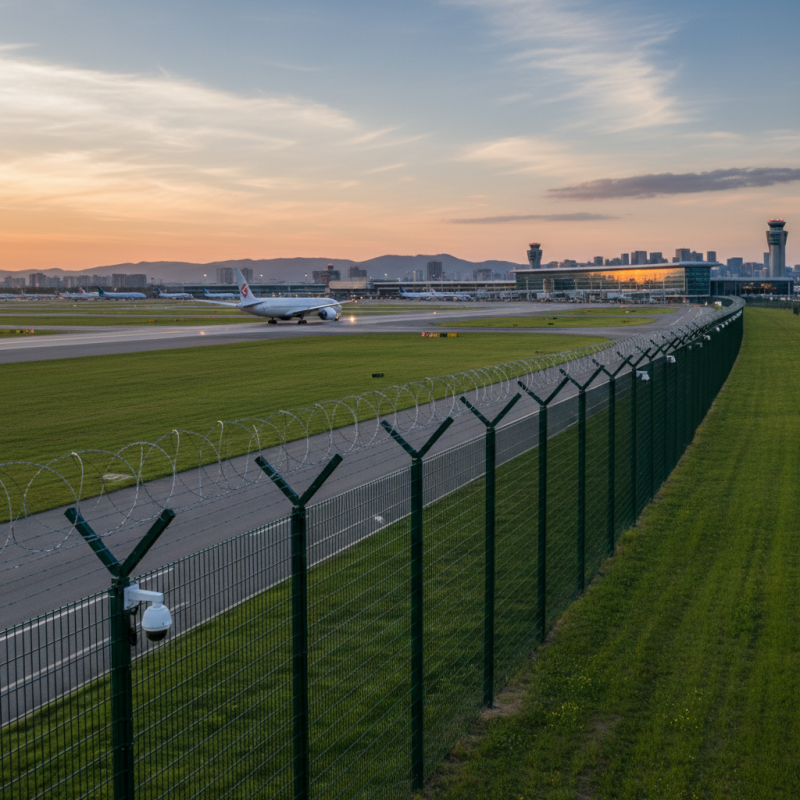
Airport security is paramount for safe operations. An effective airport fence serves as the first line of defense. Different types of fences offer varying security features. For instance, chain-link fences are common but may not deter determined intruders adequately. In contrast, more robust options, such as welded wire or electric fences, provide enhanced protection.
Reports indicate that approximately 28% of all airport security breaches occur at perimeter fences. Some airports are now using a combination of materials. This layered approach increases resilience against intruders. High-security fences often include features like barbed wire, anti-climb spikes, and surveillance integration. Investing in advanced technologies, such as motion detectors and CCTV, is becoming crucial.
Despite these advancements, challenges remain. Regular maintenance is often overlooked, which can weaken fence integrity. Such lapses may lead to vulnerabilities in airport security. Additionally, human error in monitoring can lead to delays in response to potential threats. Continuous assessment and upgrading of airport fences are vital for adapting to evolving security challenges.
Airport Fence Tips for Secure and Safe Airport Operations - Types of Airport Fences and Their Security Features
| Fence Type | Height (ft) | Material | Security Features | Typical Use Case |
| Chain Link Fence | 6-8 | Steel | Barbed Wire, Alert Systems | General Perimeter Security |
| Electronic Fencing | Varies | Composite Materials | Motion Sensors, Monitoring Systems | High-Security Areas |
| Welded Wire Fence | 8-10 | Steel | Climb-Resistant Design | Sensitive Areas |
| Perimeter Security Fence | 10-12 | Reinforced Steel | CCTV, Alarm Systems | Air Traffic Control Areas |
| Fence with Anti-Climb Features | 8-10 | Steel and Vinyl | Barbed Wire, Razor Wire | Facilities with High Security Needs |
Importance of Perimeter Security in Airport Operations
Perimeter security is vital for airport operations. A secure fence acts as the first line of defense. It prevents unauthorized access and maintains safety. Without a robust perimeter, risks increase significantly.
Consider these tips for enhancing airport fence security. Regular maintenance is essential. Inspect fences for wear and damage frequently. Tightening loose wires can prevent breaches. Installing motion sensors along the perimeter can alert security teams. Additionally, clear visibility should be prioritized. Remove obstructions that may hide threats. Proper lighting also plays a crucial role in deterring trespassers.
Engaging with local law enforcement can improve security protocols. Collaboration strengthens response strategies. Conducting drills prepares staff for emergencies. These actions reinforce safety but require ongoing reflection and adjustment. Airports must continuously assess their strategies to ensure an effective perimeter security system.
Best Practices for Installing Airport Fencing
When installing airport fencing, several best practices can enhance both security and safety. Choosing the right materials is crucial. Opt for a durable and sturdy fence that withstands harsh weather. Chain-link fencing is commonly used due to its visibility and strength. However, other options like welded wire and electric fencing may provide additional security. It's important to conduct regular assessments of the fence's condition. Wear and tear can weaken its effectiveness.
Adequate signage is also vital. Clear warnings prevent unauthorized access and outline consequences for breaches. Installing surveillance cameras at strategic points helps monitor activities. Coverage should ensure all areas are visible and easily accessible for security personnel. However, relying solely on technology is not enough. Personnel training should include specific protocols for breaches.
Reflecting on past incidents at various airports reinforces the need for constant improvement. Sometimes, fences get overlooked in maintenance schedules, leading to vulnerabilities. Every small detail matters, from the fence's height to the integrity of gates. Engaging with security professionals for periodic reviews can identify potential weaknesses. Regular drills with staff can keep everyone prepared for emergencies.
Regular Maintenance and Inspection of Airport Fences
Regular maintenance and inspection are crucial to airport fence security. Fences are the first line of defense. They protect sensitive areas from unauthorized access. Routine checks help identify weaknesses and potential breaches. Inspections should occur frequently, not just annually.
During inspections, look for rust, loose posts, and damaged wires. Even small issues can become serious if left unattended. For example, a tiny hole may grow over time. Wildlife or unauthorized personnel can exploit such vulnerabilities. Clear vegetation near fences to reduce hiding spots. This simple task enhances visibility.
Document all findings from inspections. Create a maintenance log to track repairs and improvements. Frequent reviews foster a culture of safety. It's vital, however, not to overlook issues that may seem minor. Each flaw can lead to significant problems down the road. Continuous improvement is necessary for secure airport operations.
Emerging Technologies in Airport Security Fencing
In the modern landscape of airport security, emerging technologies are reshaping fencing solutions. Advanced materials enhance durability and resistance to cutting or climbing. These developments ensure more robust protection against potential breaches.
Real-time monitoring systems are another highlight. They integrate with smart technology to provide immediate alerts. This helps security personnel respond swiftly. Many airports now utilize drones for aerial surveillance. These tools offer a comprehensive view of the perimeter, which is vital for identifying vulnerabilities.
To maintain effective fencing, regular maintenance is key. Check for damages frequently. Clear vegetation around the fence to prevent concealment. These simple tips can significantly enhance your security measures. Investing in training for staff on new technologies is also crucial. An informed team can better utilize these advancements.